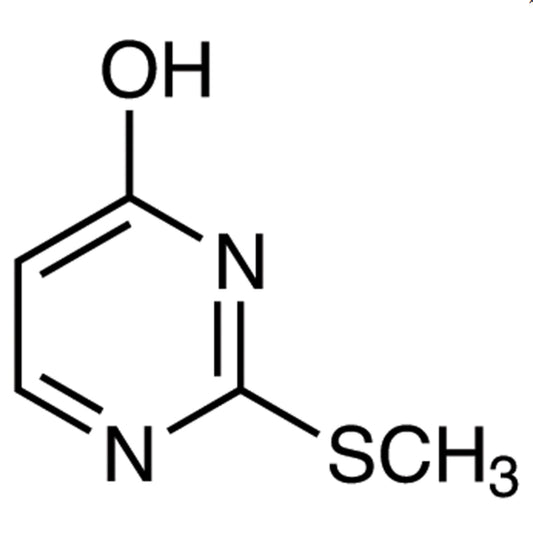
4,5-Bis(methylthio)-1,3-dithiol-2-one is a chemical compound widely used as a building block in the synthesis of complex heterocyclic compounds. This versatile reagent plays a crucial role in organic chemistry by enabling the formation of new molecular structures through its reactive functional groups. In laboratory settings, it is particularly valuable for its ability to participate in substitution and cyclization reactions, making it a key component in the development of pharmaceuticals and industrial chemicals. Its unique chemical structure, featuring two methylthio groups attached to a dithiol-2-one framework, allows for a wide range of synthetic applications.
The reactivity of 4,5-Bis(methylthio)-1,3-dithiol-2-one makes it a preferred choice for chemists seeking to introduce sulfur-containing functionalities into organic molecules. Its ability to undergo various chemical transformations, including nucleophilic substitution and ring-opening reactions, enhances its utility in synthetic pathways. The presence of multiple reactive sites in its structure also allows for the creation of complex molecular architectures, which is essential for the development of novel compounds in pharmaceutical and materials science research. This reagent’s versatility and reactivity are key factors in its widespread use across different research fields.
In Indonesian laboratories, 4,5-Bis(methylthio)-1,3-dithiol-2-one is commonly used in chemical and pharmaceutical research. It is a staple in academic and industrial settings where the synthesis of heterocyclic compounds is required. Due to its availability and chemical properties, it is frequently employed in the development of new drugs and chemical products. Its role in supporting advanced research makes it an essential tool for scientists working in various disciplines.
TCI brochures (PDF)
- Molecular Conductors 2025-11-13 · p. 6
Related TCI products
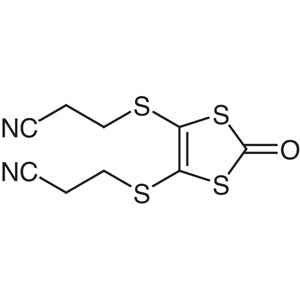
- TCI B2233 158871-28-4 4,5-Bis(2-cyanoethylthio)-1,3-dithiol-2-one
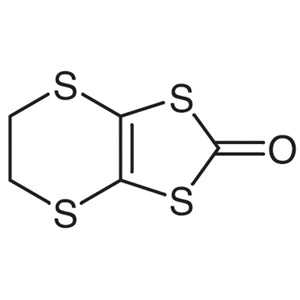
- TCI E0460 74962-29-1 4,5-Ethylenedithio-1,3-dithiol-2-one
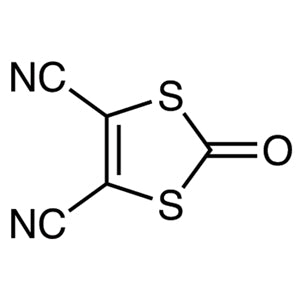
- TCI D3252 934-31-6 4,5-Dicyano-1,3-dithiol-2-one
- TCI B1778 49638-64-4 4,5-Bis(methylthio)-1,3-dithiole-2-thione
- TCI D3265 29529-99-5 6-(Dibutylamino)-1,3,5-triazine-2,4-dithiol
- TCI A1462 45534-08-5 3-Amino-5-methylthio-1H-1,2,4-triazole
- Pharmaceutical research utilizes this compound for the synthesis of sulfur-containing heterocyclic drugs due to its reactivity and structural versatility.
- Organic chemistry laboratories use it as a building block for creating complex molecular frameworks through substitution and cyclization reactions.
- Industrial chemical development benefits from its ability to introduce sulfur functionalities into organic compounds, enhancing product performance.
- Materials science research employs it to develop new polymers and functional materials with tailored chemical properties.
- Academic research institutions use it extensively in the study of heterocyclic chemistry and synthetic methodologies for drug discovery.
| Brand | TCI |
|---|---|
| CAS number | 61485-46-9 |
| Molecular formula | — |
| Purity | — |
| Category | Chemistry > Building Blocks > Heterocyclic Building Blocks |
| Pack sizes | Available in various quantities as per supplier specifications |
| Physical form | Solid or liquid, depending on the specific product variant |
| Storage | Store in a cool, dry, and well-ventilated area away from moisture and incompatible substances |
This compound should be stored in a cool, dry, and well-ventilated area to prevent degradation. It is recommended to use airtight containers made of materials compatible with its chemical properties, such as glass or high-density polyethylene. Due to its reactivity, it should be kept away from strong oxidizing agents, acids, and moisture. Laboratory personnel should wear appropriate personal protective equipment, including gloves and safety goggles, when handling this material. Proper ventilation is essential to minimize exposure to vapors. Always follow standard safety protocols for handling reactive chemicals to ensure a safe working environment.
—
Produk Terkait
-
4,5-Bis(2-cyanoethylthio)-1,3-dithiol-2-one TCI B2233
Regular price Rp 7.339.500,00Regular priceRp 5.148.150,00Sale price Rp 7.339.500,00 -
4,5-Ethylenedithio-1,3-dithiol-2-one TCI E0460
Regular price From Rp 3.260.250,00Regular priceRp 2.295.300,00Sale price From Rp 3.260.250,00 -
4,5-Dicyano-1,3-dithiol-2-one TCI D3252
Regular price Rp 7.684.950,00Regular priceRp 5.389.650,00Sale price Rp 7.684.950,00 -
4,5-Bis(methylthio)-1,3-dithiole-2-thione TCI B1778
Regular price Rp 3.658.200,00Regular priceRp 2.573.550,00Sale price Rp 3.658.200,00 -
6-(Dibutylamino)-1,3,5-triazine-2,4-dithiol TCI D3265
Regular price From Rp 769.650,00Regular priceRp 553.350,00Sale price From Rp 769.650,00 -
3-Amino-5-methylthio-1H-1,2,4-triazole TCI A1462
Regular price From Rp 742.350,00Regular priceRp 534.450,00Sale price From Rp 742.350,00 -
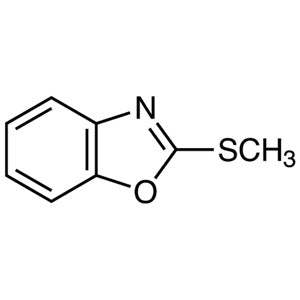
2-(Methylthio)benzoxazole TCI M2454
Regular price From Rp 1.483.650,00Regular priceRp 1.053.150,00Sale price From Rp 1.483.650,00 -
2-Methylthio-4-pyrimidinol TCI M2355
Regular price From Rp 582.750,00Regular priceRp 423.150,00Sale price From Rp 582.750,00