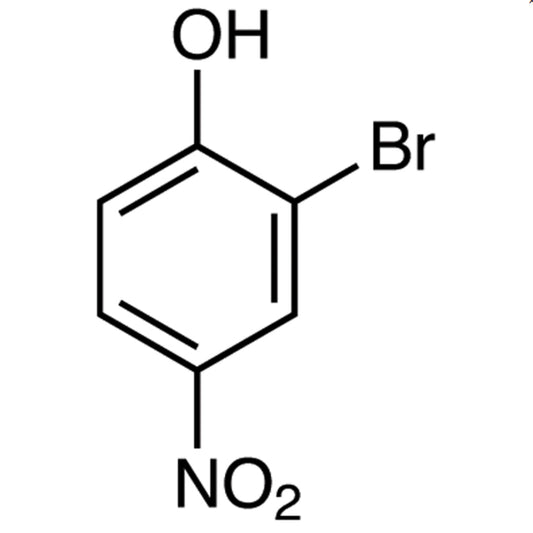
4-tert-Butyl-2,6-dinitrophenol is a chemical compound widely used in laboratory settings for the synthesis of complex molecules. As a building block in organic chemistry, it plays a crucial role in the development of aromatic compounds and derivatives with specific functional groups. Its structural versatility makes it a valuable tool for researchers aiming to create new chemical entities through various synthetic pathways. This compound is commonly used in both academic and industrial research environments to explore chemical reactivity and molecular design.
The compound is known for its stable molecular structure and moderate reactivity, which allows it to participate effectively in substitution, reduction, and oxidation reactions. These properties make it a preferred choice for chemists working on functional group transformations and molecular modifications. Its high purity and solid form ensure consistent performance in laboratory experiments, contributing to reliable and reproducible results. The compound’s ability to undergo multiple chemical transformations further enhances its utility in synthetic chemistry.
In Indonesian laboratories, 4-tert-Butyl-2,6-dinitrophenol is frequently used in organic chemistry research, the development of new chemical materials, and educational settings. Its stability and reactivity make it a key component in teaching chemical reactions and molecular structure. Laboratories in Indonesia rely on this compound for both practical experimentation and theoretical studies, supporting advancements in chemical science and education.
Related TCI products
- Organic synthesis applications benefit from this compound's ability to participate in multiple reaction types, enabling the creation of complex aromatic derivatives.
- It is ideal for functional group modification in the development of new chemical compounds, offering versatility in synthetic pathways.
- Educational institutions use it to demonstrate chemical reactivity and molecular structure in undergraduate and graduate chemistry courses.
- Research labs employ it for the synthesis of specialized compounds used in pharmaceutical and industrial applications.
- It supports the development of new materials in chemical engineering, where controlled chemical transformations are essential.
| Brand | TCI |
|---|---|
| CAS number | 4097-49-8 |
| Molecular formula | — |
| Purity | — |
| Category | Chemistry > Building Blocks > Non-Heterocyclic Building Blocks |
| Pack sizes | Available in various quantities to suit different research needs |
| Physical form | Solid |
| Storage | Store in a cool, dry place away from direct sunlight |
This compound should be stored in a cool, dry environment to maintain its stability and prevent degradation. It is recommended to use airtight containers to minimize exposure to moisture and air, which could affect its chemical integrity. Due to its reactivity, it should be handled with care, using appropriate personal protective equipment such as gloves and safety goggles. In laboratory settings, it should be stored separately from incompatible substances to avoid any potential chemical interactions. Proper labeling and storage conditions are essential to ensure safe handling and long-term usability in research applications.
—
Produk Terkait
-
2-Bromo-4-methoxy-6-nitrophenol TCI B4723
Regular price From Rp 557.550,00Regular priceRp 405.300,00Sale price From Rp 557.550,00 -
2-Bromo-4-nitrophenol TCI B3918
Regular price From Rp 2.625.000,00Regular priceRp 1.835.400,00Sale price From Rp 2.625.000,00 -
2-NitrophenolSodiumSalt TCI N0222
Regular price From Rp 1.220.100,00Regular priceRp 852.600,00Sale price From Rp 1.220.100,00 -
2-Methoxy-6-nitrophenol TCI M3747
Regular price From Rp 2.942.100,00Regular priceRp 2.072.700,00Sale price From Rp 2.942.100,00 -
2,4-Dibromo-6-nitrophenol TCI D5323
Regular price Rp 1.881.600,00Regular priceRp 1.315.650,00Sale price Rp 1.881.600,00 -
2,4-Dichloro-3-ethyl-6-nitrophenol TCI D3510
Regular price From Rp 743.400,00Regular priceRp 519.750,00Sale price From Rp 743.400,00 -
2,4-Dimethyl-6-nitrophenol TCI D2273
Regular price From Rp 2.147.250,00Regular priceRp 1.501.500,00Sale price From Rp 2.147.250,00 -
2-Chloro-6-nitrophenol TCI C3074
Regular price From Rp 743.400,00Regular priceRp 519.750,00Sale price From Rp 743.400,00