5-Benzyloxyindole is a chemical compound classified under the heterocyclic category, commonly used as a building block in the synthesis of complex molecules. It features an indole structure modified by a benzyloxy group, which enhances its reactivity and makes it a valuable reagent in organic chemistry. This compound plays a crucial role in laboratories where the development of bioactive compounds and specialized chemical structures is required. Its unique chemical properties allow it to participate in various synthetic pathways, making it a versatile tool for researchers.
The compound's high reactivity and structural complexity make it a preferred choice for substitution and cyclization reactions. Its stability under certain conditions ensures reliable performance during synthesis and processing. These characteristics make it ideal for applications in pharmacology and organic chemistry, where precise molecular manipulation is essential. The presence of the benzyloxy group also contributes to its ability to form stable intermediates, facilitating the creation of more complex chemical entities.
In Indonesian laboratories, 5-Benzyloxyindole is widely used in scientific research related to drug development, bioactive compounds, and organic chemistry. Researchers from various educational and research institutions frequently utilize this compound for experiments requiring specific heterocyclic building blocks. Its role in the synthesis of bioactive substances is particularly significant, supporting advancements in pharmaceutical and chemical research.
- Bioactive Compound Synthesis: This compound is ideal for creating molecules with biological activity due to its reactivity and structural versatility.
- Organic Chemistry Research: Its heterocyclic structure makes it a key reagent in the development of complex organic molecules.
- Drug Development Studies: It is used in the synthesis of pharmaceutical compounds, supporting the creation of new therapeutic agents.
- Cyclization Reactions: The compound's ability to participate in cyclization reactions makes it useful in forming ring structures.
- Substitution Reaction Experiments: Its reactivity allows it to be a valuable component in substitution reactions for structural modification.
| Brand | TCI |
|---|---|
| CAS number | 1215-59-4 |
| Molecular formula | — |
| Purity | — |
| Category | Chemistry > Building Blocks > Heterocyclic Building Blocks |
| Pack sizes | — |
| Physical form | — |
| Storage | Store in a cool, dry place away from light |
5-Benzyloxyindole should be stored in a cool, dry place, away from direct light to maintain its stability and reactivity. It is recommended to use airtight containers to prevent moisture absorption and contamination. Proper labeling of storage containers is essential for safe handling and identification. In laboratory settings, it should be handled with care, using appropriate personal protective equipment such as gloves and safety goggles. Due to its chemical nature, it should be stored separately from incompatible substances to avoid any potential reactions. Regular monitoring of storage conditions ensures the compound remains in optimal condition for use in research applications.
—
Produk Terkait
-
7-Benzyloxyindole TCI B2846
Regular price Rp 3.472.350,00Regular priceRp 2.443.350,00Sale price Rp 3.472.350,00 -
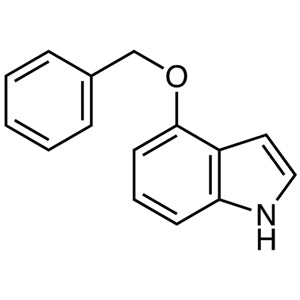
4-Benzyloxyindole TCI B2811
Regular price From Rp 1.590.750,00Regular priceRp 1.127.700,00Sale price From Rp 1.590.750,00 -
6-Benzyloxyindole TCI B2809
Regular price From Rp 1.431.150,00Regular priceRp 1.016.400,00Sale price From Rp 1.431.150,00 -
5-Methoxyindole-3-carboxylicAcid TCI M2438
Regular price From Rp 2.306.850,00Regular priceRp 1.628.550,00Sale price From Rp 2.306.850,00 -
7-Methoxyindole TCI M1751
Regular price From Rp 3.735.900,00Regular priceRp 2.628.150,00Sale price From Rp 3.735.900,00 -
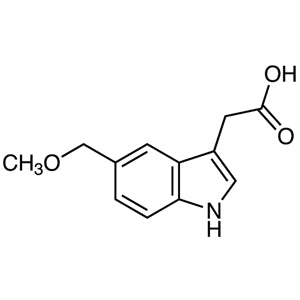
5-Methoxyindole-3-aceticAcid TCI M1303
Regular price Rp 3.419.850,00Regular priceRp 2.406.600,00Sale price Rp 3.419.850,00 -
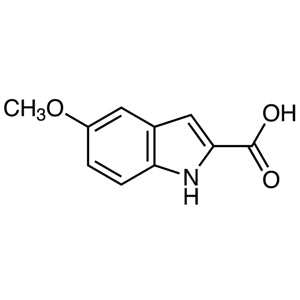
5-Methoxyindole-2-carboxylicAcid TCI M1271
Regular price From Rp 1.723.050,00Regular priceRp 1.220.100,00Sale price From Rp 1.723.050,00 -
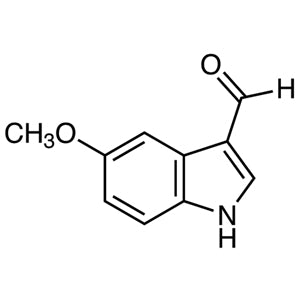
5-Methoxyindole-3-carboxaldehyde TCI M1268
Regular price From Rp 582.750,00Regular priceRp 423.150,00Sale price From Rp 582.750,00