Benzophenone Imine (TCI B1912), with CAS number 1013-88-3, is a chemical compound widely used as a building block in organic synthesis. It serves as a fundamental reagent in laboratory settings, playing a crucial role in the formation of nitrogen-containing bonds. Its simple yet versatile chemical structure makes it an essential component in various synthetic pathways. This compound is particularly valuable in reactions that require controlled reactivity and stability, making it a reliable choice for researchers aiming to produce complex organic molecules.
The compound's chemical properties, including its stability and controlled reactivity, make it a preferred choice for laboratory applications. It exhibits good solubility in organic solvents such as ethyl acetate and acetone, which facilitates its use in a wide range of chemical reactions. Its non-toxic nature and ease of handling further enhance its appeal in both academic and industrial research environments. These characteristics ensure that Benzophenone Imine remains a go-to material for chemists seeking precision and reliability in their experiments.
In Indonesian laboratories, Benzophenone Imine is commonly used in both pure and applied chemical research. Its role in the synthesis of heterocyclic compounds and complex structures has made it a staple in academic and industrial settings. Researchers in Indonesia rely on this compound for its consistent performance and compatibility with various synthetic protocols. Its availability and reliability have contributed to its widespread use in the country's scientific community.
Related TCI products
- TCI T2989 29097-52-7 2,2,4,4-Tetramethyl-3-pentanone Imine
- TCI D5989 140-73-8 N,N'-(Hexane-1,6-diyl)bis(3-phenylprop-2-en-1-imine)
- TCI B1433 3708-39-2 4,4'-Bis(methylamino)benzophenone
- TCI B1275 90-93-7 4,4'-Bis(diethylamino)benzophenone
- TCI B1163 5350-57-2 Benzophenone Hydrazone
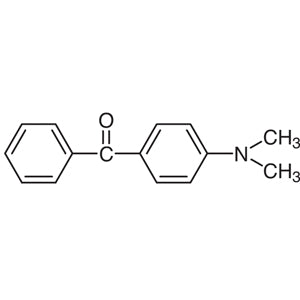
- TCI D2561 530-44-9 4-(Dimethylamino)benzophenone
- Organic synthesis is a key application where Benzophenone Imine is used to form nitrogen-containing bonds, offering controlled reactivity and stability in complex reaction conditions.
- Heterocyclic compound production benefits from Benzophenone Imine's ability to participate in reactions that build intricate molecular frameworks, making it ideal for pharmaceutical and material science research.
- Condensation reactions are enhanced by the compound's solubility in organic solvents, allowing for efficient mixing and reaction progress in laboratory settings.
- Substitution reactions are facilitated by Benzophenone Imine's reactivity under specific conditions, making it a valuable reagent in synthetic pathways requiring precise control.
- Analytical chemistry applications leverage the compound's stability and solubility, supporting accurate and reproducible experimental results in qualitative and quantitative studies.
| Brand | TCI |
|---|---|
| CAS number | 1013-88-3 |
| Molecular formula | — |
| Purity | — |
| Category | Chemistry > Building Blocks > Non-Heterocyclic Building Blocks |
| Pack sizes | Available in various quantities as per standard laboratory supply |
| Physical form | Solid or liquid, depending on the specific formulation |
| Storage | Store in a cool, dry place away from direct sunlight and moisture |
Benzophenone Imine should be stored in a cool, dry environment to maintain its chemical stability and prevent degradation. It is recommended to keep the compound in airtight containers to minimize exposure to moisture and air, which could affect its reactivity. Suitable containers include glass or high-density polyethylene (HDPE) bottles to ensure chemical compatibility and prevent contamination. In laboratory settings, it is important to handle the compound with care, using appropriate personal protective equipment such as gloves and safety goggles. The compound's non-toxic nature reduces the risk of exposure, but standard laboratory safety protocols should still be followed to ensure safe handling and storage.
—
Produk Terkait
-
2,2,4,4-Tetramethyl-3-pentanoneImine TCI T2989
Regular price From Rp 1.590.750,00Regular priceRp 1.127.700,00Sale price From Rp 1.590.750,00 -
N,N'-(Hexane-1,6-diyl)bis(3-phenylprop-2-en-1-imine) TCI D5989
Regular price Rp 1.988.700,00Regular priceRp 1.405.950,00Sale price Rp 1.988.700,00 -
4,4'-Bis(methylamino)benzophenone TCI B1433
Regular price Rp 3.922.800,00Regular priceRp 2.742.600,00Sale price Rp 3.922.800,00 -
4,4'-Bis(diethylamino)benzophenone TCI B1275
Regular price From Rp 530.250,00Regular priceRp 386.400,00Sale price From Rp 530.250,00 -
BenzophenoneHydrazone TCI B1163
Regular price From Rp 637.350,00Regular priceRp 460.950,00Sale price From Rp 637.350,00 -
4-(Dimethylamino)benzophenone TCI D2561
Regular price From Rp 1.033.200,00Regular priceRp 738.150,00Sale price From Rp 1.033.200,00 -
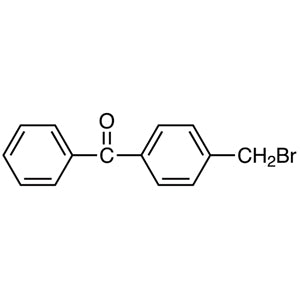
4-(Bromomethyl)benzophenone TCI B3840
Regular price Rp 5.855.850,00Regular priceRp 4.110.750,00Sale price Rp 5.855.850,00 -
BenzophenoneDimethylketal TCI B1999
Regular price From Rp 2.013.900,00Regular priceRp 1.423.800,00Sale price From Rp 2.013.900,00