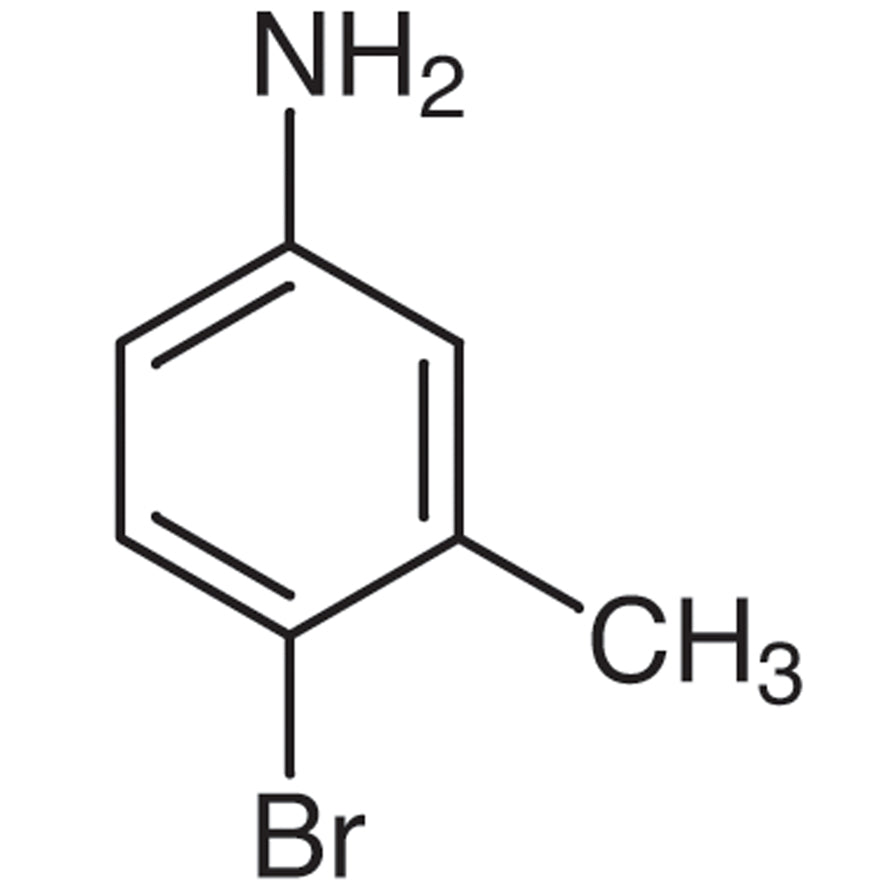
4-Bromo-3-methylaniline is a chemical compound widely used as a foundational building block in the synthesis of complex organic compounds. This aromatic compound features a bromine and methyl group attached at specific positions, enabling it to participate in various chemical reactions such as substitution, reduction, and electrophilic reactions. Its versatility makes it an essential material for researchers working in organic chemistry, pharmaceutical development, and industrial chemical production. In the laboratory, it serves as a key reagent for the creation of more complex molecules with diverse applications.
The compound’s chemical properties, including its aromatic structure and brominated substituent, contribute to its effectiveness as a reagent. Its solubility varies depending on the solvent used, which allows for flexibility in experimental conditions. Additionally, its chemical stability under certain conditions makes it a reliable choice for synthetic processes. However, it is sensitive to UV light and oxidation, requiring careful handling and storage to maintain its integrity. These characteristics make it a preferred choice for organic synthesis and compound modification.
In Indonesian laboratories, 4-bromo-3-methylaniline is commonly used in scientific research, particularly in the fields of organic chemistry, pharmaceuticals, and industrial chemistry. Its availability and consistent quality make it a popular selection among researchers for various synthetic applications. Its role in the development of new compounds and materials underscores its importance in both academic and industrial research settings.
- Organic synthesis applications benefit from 4-bromo-3-methylaniline due to its reactivity and ability to participate in substitution reactions, making it ideal for creating complex organic molecules.
- Pharmaceutical research utilizes this compound as a building block for the development of new drugs, as its structure can be modified to produce bioactive compounds.
- Industrial chemical production relies on this material for the synthesis of various chemical intermediates, supporting the manufacturing of specialty chemicals.
- Analytical chemistry laboratories use it as a standard reference compound for qualitative and quantitative analysis in chromatographic and spectroscopic techniques.
- Material science research incorporates this compound in the development of new polymers and functional materials, leveraging its chemical versatility.
| Brand | TCI |
|---|---|
| CAS number | 6933-10-4 |
| Molecular formula | — |
| Purity | — |
| Category | Chemistry > Building Blocks > Non-Heterocyclic Building Blocks |
| Pack sizes | Available in various quantities as per supplier specifications |
| Physical form | Solid or liquid, depending on the specific product variant |
| Storage | Store in a cool, dark place away from light and oxidizing agents |
4-Bromo-3-methylaniline should be stored in a cool, dark environment to prevent degradation due to UV exposure. It is recommended to use airtight containers made of glass or polyethylene to minimize contact with air and moisture. Due to its sensitivity to oxidation, it should be kept away from strong oxidizing agents. Proper ventilation is essential when handling this compound to avoid inhalation of vapors. Laboratory personnel should wear appropriate personal protective equipment, including gloves and safety goggles, to ensure safe handling. Regular monitoring of storage conditions is advised to maintain the compound's stability and effectiveness for research purposes.
—
Produk Terkait
-
2-Bromo-5-methylaniline TCI B4507
Regular price From Rp 980.700,00Regular priceRp 685.650,00Sale price From Rp 980.700,00 -
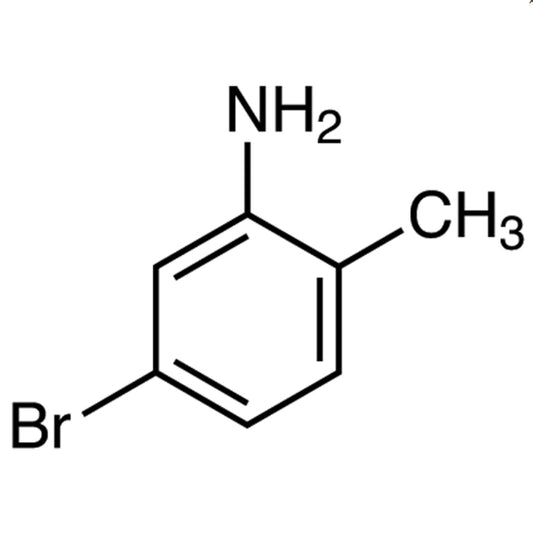
5-Bromo-2-methylaniline TCI B3687
Regular price From Rp 530.250,00Regular priceRp 370.650,00Sale price From Rp 530.250,00 -
3-Bromo-2-methylaniline TCI B3482
Regular price From Rp 3.021.900,00Regular priceRp 2.112.600,00Sale price From Rp 3.021.900,00 -
3-Bromo-4-methylaniline TCI B2354
Regular price From Rp 1.167.600,00Regular priceRp 815.850,00Sale price From Rp 1.167.600,00 -
4-Bromo-2-methylaniline TCI B1281
Regular price Rp 1.378.650,00Regular priceRp 963.900,00Sale price Rp 1.378.650,00 -
2-Bromo-4-methylaniline TCI B0540
Regular price From Rp 664.650,00Regular priceRp 464.100,00Sale price From Rp 664.650,00 -
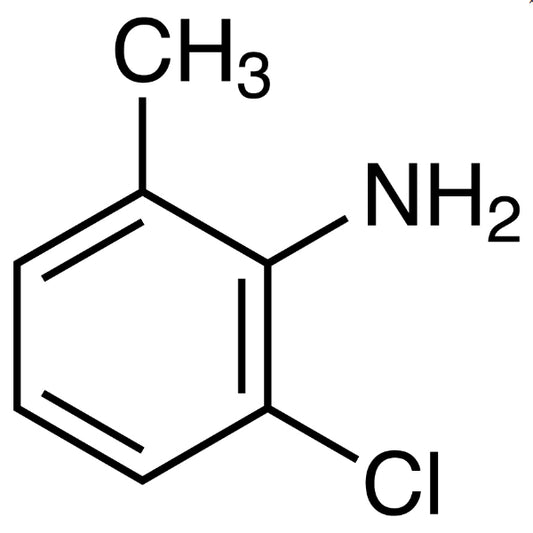
2-Chloro-6-methylaniline TCI A1959
Regular price From Rp 1.431.150,00Regular priceRp 1.000.650,00Sale price From Rp 1.431.150,00 -
4-Chloro-3-methylaniline TCI A1610
Regular price Rp 1.565.550,00Regular priceRp 1.094.100,00Sale price Rp 1.565.550,00