Boron Trifluoride - Butyl Ether Complex (BF3 ca. 30%) is a chemical compound widely used in laboratory settings for its catalytic properties. This complex is formed by the reaction of boron trifluoride with butyl ether, offering a stable and safer alternative to pure boron trifluoride. It plays a crucial role in various chemical reactions, particularly in catalytic processes where reactivity and stability are essential. Its ability to activate molecular structures makes it a valuable tool in synthetic chemistry.
The compound’s reactivity and sensitivity to moisture and air make it a preferred choice in controlled environments. Its effectiveness in activating electron-deficient sites in molecules allows it to accelerate a wide range of chemical transformations. This makes it ideal for applications requiring precise control over reaction conditions. Its versatility and efficiency in catalytic systems have made it a staple in both academic and industrial research.
In Indonesian laboratories, this compound is commonly used in organic chemistry research, catalysis, and analytical chemistry. It is especially favored for its ability to facilitate nucleophilic and electrophilic substitutions. Its role in the synthesis of complex organic molecules has made it a key component in many research projects. Due to its reactivity, it is handled with care and stored under controlled conditions to ensure safety and effectiveness.
TCI brochures (PDF)
- DualSeal ― Airtight-Double-Cap Bottled Reagents 2024-08-13 · p. 6
- Boron Compounds 2025-10-07 · p. 27
Related TCI products
- TCI B0894 2802-68-8 Boron Trifluoride - Methanol Complex
- TCI H1221 10034-85-2 Hydriodic Acid (57%)
- TCI H1220 10035-10-6 Hydrobromic Acid (47%)
- TCI I0910 115-11-7 Isobutene (ca. 10% in Isopropyl Ether)
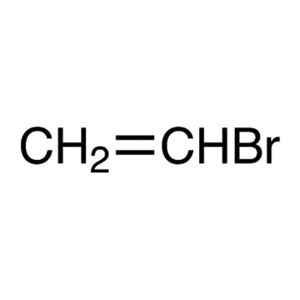
- TCI V0126 593-60-2 Vinyl Bromide (ca. 14% in Ethyl Ether, ca. 1.0mol/L)
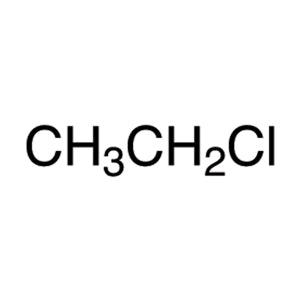
- TCI C2882 75-00-3 Chloroethane (ca. 17% in Ethyl Ether, ca. 2.0mol/L)
- Organic Synthesis: This compound is widely used in organic synthesis due to its ability to activate electrophilic sites, facilitating efficient and selective reactions.
- Catalytic Reactions: It serves as an effective catalyst in various reactions, including substitution and coupling reactions, enhancing reaction rates and yields.
- Analytical Chemistry: Its reactivity makes it useful in analytical procedures where precise molecular activation is required for accurate results.
- Industrial Research: It is employed in industrial research settings for the development of new chemical processes and materials.
- Teaching and Education: It is commonly used in academic laboratories to demonstrate catalytic mechanisms and reaction dynamics in undergraduate and graduate courses.
| Brand | TCI |
|---|---|
| CAS number | 593-04-4 |
| Molecular formula | — |
| Purity | — |
| Category | Chemistry > Catalysis and Inorganic Chemistry > Main-group Elements |
| Pack sizes | Available in various sizes as per standard laboratory requirements |
| Physical form | Liquid |
| Storage | Must be stored in a dry, cool place away from moisture and air |
This compound should be stored in a dry, cool environment to prevent degradation due to moisture and air exposure. It is recommended to use airtight containers made of materials compatible with its chemical nature, such as glass or high-density polyethylene. Due to its reactivity, it should be handled in a well-ventilated area with appropriate personal protective equipment. Laboratory personnel should avoid direct contact with skin and eyes, and ensure that spill containment procedures are in place. Proper labeling and storage conditions are essential to maintain its effectiveness and ensure safety during use.
—
Product Categories
- Catalysis and Inorganic ChemistryMain-group Elements [Catalysis and Inorganic Chemistry]Boron [Catalysis and Inorganic Chemistry]
- Synthetic ReagentsAcids, Bases [Synthetic Reagents]Acids [Synthetic Reagents]
- Synthetic ReagentsSpecialty Gases [Synthetic Reagents]Volatile Solutions
- Organometallic Reagents
Produk Terkait
-
BoronTrifluoride-MethanolComplex TCI B0894
Regular price From Rp 530.250,00Regular priceRp 370.650,00Sale price From Rp 530.250,00 -
HydriodicAcid(57%) TCI H1221
Regular price From Rp 903.000,00Regular priceRp 1.612.800,00Sale price From Rp 903.000,00Sale -
HydrobromicAcid(47%) TCI H1220
Regular price Rp 530.250,00Regular priceRp 370.650,00Sale price Rp 530.250,00 -
Isobutene(ca.10%inIsopropylEther) TCI I0910
Regular price From Rp 848.400,00Regular priceRp 593.250,00Sale price From Rp 848.400,00 -
VinylBromide(ca.14%inEthylEther,ca.1.0mol/L) TCI V0126
Regular price Rp 2.545.200,00Regular priceRp 1.779.750,00Sale price Rp 2.545.200,00 -
Chloroethane(ca.17%inEthylEther,ca.2.0mol/L) TCI C2882
Regular price From Rp 1.803.900,00Regular priceRp 1.261.050,00Sale price From Rp 1.803.900,00 -
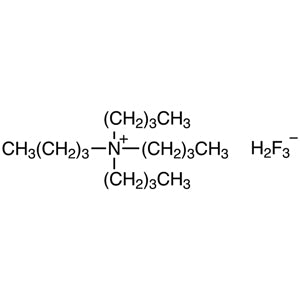
TetrabutylammoniumDihydrogenTrifluoride TCI T1635
Regular price From Rp 1.908.900,00Regular priceRp 1.350.300,00Sale price From Rp 1.908.900,00 -
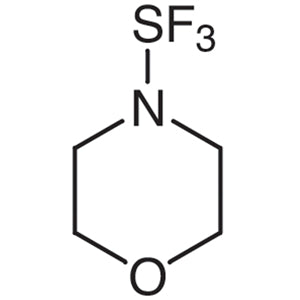
MorpholinosulfurTrifluoride TCI M1573
Regular price From Rp 1.856.400,00Regular priceRp 1.313.550,00Sale price From Rp 1.856.400,00