Boron Trifluoride - Methanol Complex (BF₃·CH₃OH) is a chemical compound widely used in laboratory settings, particularly in catalysis and inorganic chemistry. This compound functions as a powerful catalyst due to its ability to activate reactants and facilitate chemical reactions under various conditions. It is commonly employed in reactions that require boron-based catalysts, making it an essential component in synthetic and analytical chemistry. Its role in accelerating reactions such as esterification, hydrolysis, and substitution reactions makes it a valuable tool for researchers and chemists.
The compound's high reactivity and strong electron-withdrawing properties make it a preferred choice in many chemical processes. The presence of the boron atom, which is highly electronegative, enhances its catalytic efficiency. This reactivity also contributes to its effectiveness in promoting complex organic and inorganic transformations. Despite its reactivity, BF₃·CH₃OH is carefully handled in laboratories due to its corrosive nature and potential to damage materials not resistant to strong acids.
In Indonesian laboratories, BF₃·CH₃OH is extensively used in chemical research, especially in academic and industrial settings. Its ability to interact with both organic and inorganic compounds makes it a popular choice for a wide range of applications. Researchers in Indonesia rely on this compound for its reliability and performance in various chemical processes, making it a staple in many laboratory environments.
TCI brochures (PDF)
- Boron Compounds 2025-10-07 · p. 27
Related TCI products
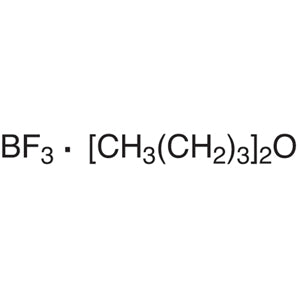
- TCI B2074 593-04-4 Boron Trifluoride - Butyl Ether Complex (BF3 ca. 30%)
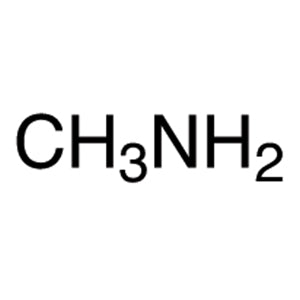
- TCI M1016 74-89-5 Methylamine (40% in Methanol, ca. 9.8mol/L)
- TCI H1221 10034-85-2 Hydriodic Acid (57%)
- TCI H1220 10035-10-6 Hydrobromic Acid (47%)
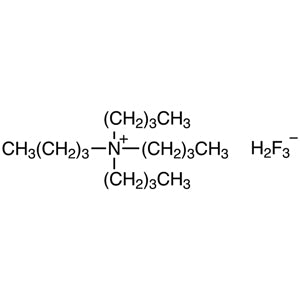
- TCI T1635 99337-56-1 Tetrabutylammonium Dihydrogen Trifluoride
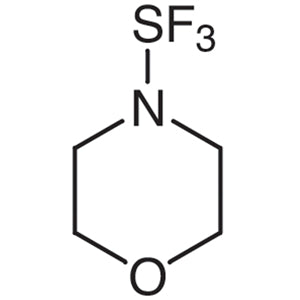
- TCI M1573 51010-74-3 Morpholinosulfur Trifluoride
- Esterification reactions benefit from BF₃·CH₃OH due to its ability to activate carbonyl groups, enhancing reaction rates and yield.
- Hydrolysis processes often utilize this compound as a catalyst to break down complex molecules efficiently under controlled conditions.
- Substitution reactions in organic chemistry are accelerated by BF₃·CH₃OH, making it ideal for synthetic pathways requiring high catalytic activity.
- Organic synthesis applications rely on this compound for its effectiveness in promoting bond formation and functional group transformations.
- Analytical chemistry uses BF₃·CH₃OH to facilitate the breakdown of compounds for accurate identification and quantification.
| Brand | TCI |
|---|---|
| CAS number | 2802-68-8 |
| Molecular formula | — |
| Purity | — |
| Category | Chemistry > Catalysis and Inorganic Chemistry > Main-group Elements |
| Pack sizes | Available in various quantities as per standard laboratory requirements |
| Physical form | Liquid |
| Storage | Store in a cool, dry place away from moisture and incompatible materials |
BF₃·CH₃OH should be stored in a cool, dry environment to maintain its stability and prevent degradation. It is recommended to use sealed, corrosion-resistant containers such as glass or high-density polyethylene to avoid chemical reactions with the container material. Due to its corrosive nature, proper personal protective equipment, including gloves, goggles, and a lab coat, must be worn when handling this compound. It is essential to keep the compound away from incompatible substances like strong bases and organic solvents. In the laboratory, it should be stored in a well-ventilated area to minimize exposure to vapors and ensure a safe working environment.
—
Product Categories
Produk Terkait
-
BoronTrifluoride-ButylEtherComplex(BF3ca.30%) TCI B2074
Regular price From Rp 3.392.550,00Regular priceRp 2.371.950,00Sale price From Rp 3.392.550,00 -
Methylamine(40%inMethanol,ca.9.8mol/L) TCI M1016
Regular price From Rp 637.350,00Regular priceRp 445.200,00Sale price From Rp 637.350,00 -
HydriodicAcid(57%) TCI H1221
Regular price From Rp 903.000,00Regular priceRp 1.612.800,00Sale price From Rp 903.000,00Sale -
HydrobromicAcid(47%) TCI H1220
Regular price Rp 530.250,00Regular priceRp 370.650,00Sale price Rp 530.250,00 -
TetrabutylammoniumDihydrogenTrifluoride TCI T1635
Regular price From Rp 1.908.900,00Regular priceRp 1.350.300,00Sale price From Rp 1.908.900,00 -
MorpholinosulfurTrifluoride TCI M1573
Regular price From Rp 1.856.400,00Regular priceRp 1.313.550,00Sale price From Rp 1.856.400,00 -
1,1'-Iminodianthraquinone[forDeterminationofBoron] TCI D0133
Regular price Rp 9.036.300,00Regular priceRp 6.334.650,00Sale price Rp 9.036.300,00 -
BoronSubphthalocyanineChloride(purifiedbysublimation) TCI B6296
Regular price Rp 4.108.650,00Regular priceRp 2.888.550,00Sale price Rp 4.108.650,00