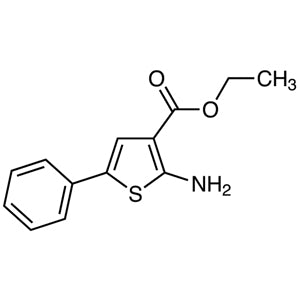
3-Bromo-2,4-dimethyl-5-phenylthiophene is an organic compound classified as a heterocyclic building block, widely used in laboratory settings for its structural versatility. This compound features a thiophene ring substituted with bromo, dimethyl, and phenyl groups, making it a valuable intermediate in the synthesis of complex organic molecules. Its unique structure enables it to participate in various chemical reactions, including substitution, reduction, and electrophilic reactions, which are essential in organic chemistry and pharmaceutical research.
The compound's chemical stability and reactivity make it a preferred choice for synthetic chemists. The presence of the bromo group allows for easy modification through substitution reactions, while the phenyl and dimethyl groups contribute to its distinct reactivity and physical properties. These characteristics make it suitable for a wide range of chemical transformations, enhancing its utility in both academic and industrial research environments.
In Indonesian laboratories, this compound is commonly used in scientific research, particularly in organic chemistry and the synthesis of pharmacological compounds. Researchers in educational institutions and research organizations rely on it for experiments requiring complex molecular structures. Its availability through AMI Scientific ensures that Indonesian scientists can access high-quality materials for their experimental needs.
TCI brochures (PDF)
- Thiophenes 2026-06-29 · p. 6
Related TCI products
- Organic synthesis applications benefit from this compound's ability to participate in substitution and electrophilic reactions, enabling the creation of complex molecular structures.
- Pharmaceutical research utilizes its structural features to develop new drug candidates, leveraging its reactivity and stability in synthetic pathways.
- Heterocyclic compound studies rely on its unique thiophene framework to explore chemical reactivity and molecular behavior in various reaction conditions.
- Academic research institutions use it as a key building block for teaching and experimental purposes in organic chemistry courses.
- Industrial chemical development incorporates it into the design of new materials and compounds due to its versatile chemical properties and synthetic potential.
| Brand | TCI |
|---|---|
| CAS number | 362513-28-8 |
| Molecular formula | — |
| Purity | — |
| Category | Chemistry > Building Blocks > Heterocyclic Building Blocks |
| Pack sizes | Available in standard laboratory quantities as per supplier specifications |
| Physical form | Solid, crystalline appearance |
| Storage | Store in a cool, dry place away from light and incompatible materials |
This compound should be stored in a cool, dry environment, away from direct sunlight and sources of heat. It is recommended to use airtight containers to prevent moisture absorption and contamination. Due to its chemical reactivity, it should be kept separate from strong oxidizing agents and incompatible substances. Proper personal protective equipment, including gloves and safety goggles, should be worn when handling. The compound is not classified as hazardous under standard laboratory conditions, but standard safety protocols should be followed to ensure safe handling and storage.
—
Produk Terkait
-
2-Iodo-5-phenylthiophene TCI I0998
Regular price Rp 3.498.600,00Regular priceRp 2.462.250,00Sale price Rp 3.498.600,00 -
2,4-Dimethyl-5-phenylthiophene TCI D3228
Regular price From Rp 1.643.250,00Regular priceRp 1.164.450,00Sale price From Rp 1.643.250,00 -
2-Bromo-5-phenylthiophene TCI B3663
Regular price From Rp 2.013.900,00Regular priceRp 1.423.800,00Sale price From Rp 2.013.900,00 -
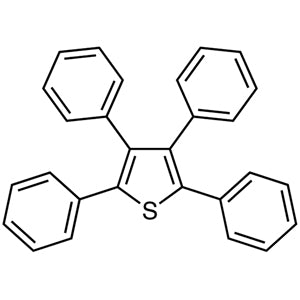
2,3,4,5-Tetraphenylthiophene TCI T2200
Regular price From Rp 2.252.250,00Regular priceRp 1.590.750,00Sale price From Rp 2.252.250,00 -
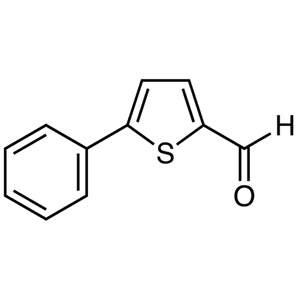
5-Phenylthiophene-2-carboxaldehyde TCI P2501
Regular price Rp 2.889.600,00Regular priceRp 2.035.950,00Sale price Rp 2.889.600,00 -
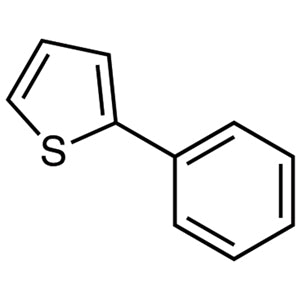
2-Phenylthiophene TCI P1397
Regular price From Rp 1.087.800,00Regular priceRp 775.950,00Sale price From Rp 1.087.800,00 -
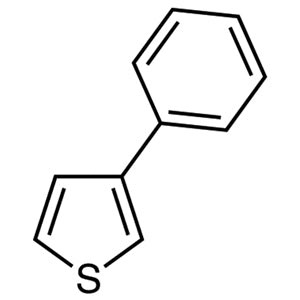
3-Phenylthiophene TCI P1126
Regular price From Rp 2.677.500,00Regular priceRp 1.887.900,00Sale price From Rp 2.677.500,00 -
Ethyl2-Amino-5-phenylthiophene-3-carboxylate TCI E1139
Regular price From Rp 1.087.800,00Regular priceRp 775.950,00Sale price From Rp 1.087.800,00