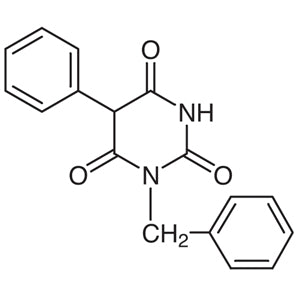
1-Benzyl-5-ethoxyhydantoin is a chemical compound widely used in organic synthesis reactions. As a heterocyclic building block, it plays a crucial role in the development of complex molecular structures. This compound is commonly utilized in research settings to create new compounds with potential biological activity. Its versatility makes it an essential tool for chemists working in both academic and industrial laboratories. In the context of Indonesian research institutions, it is a valuable resource for advancing studies in organic chemistry, pharmaceuticals, and biochemistry.
The compound’s stability and reactivity are key factors that make it a preferred choice for synthetic chemists. It is capable of participating in various chemical reactions, including nucleophilic and electrophilic processes. Its ability to undergo structural modifications through substitution at specific positions enhances its utility in the design of novel molecules. Additionally, its compatibility with a wide range of reagents allows for greater flexibility in experimental approaches. These properties make it a reliable and efficient component in laboratory workflows.
In Indonesian laboratories, 1-Benzyl-5-ethoxyhydantoin is frequently used in research projects focused on drug discovery and chemical synthesis. It is a key reagent in the development of bioactive compounds and is commonly found in university and research institute laboratories. Its application spans multiple scientific disciplines, making it a fundamental material for advancing chemical research in Indonesia.
Related TCI products
- TCI B5404 63874-95-3 1-Benzyl-1H-pyrazole-4-carboxaldehyde
- TCI B4918 287930-73-8 4-Benzyl-2-hydroxymorpholin-3-one
- TCI B4100 78818-15-2 Benzyl 3-Oxopiperazine-1-carboxylate
- TCI B3941 37734-89-7 1-Benzyl-2-phenyl-1H-imidazole
- TCI B3086 18489-25-3 5-Benzyl-1H-tetrazole
- TCI B2789 72846-00-5 1-Benzyl-5-phenylbarbituric Acid
- Organic synthesis is a primary application where this compound serves as a versatile building block for creating complex heterocyclic structures.
- Pharmaceutical research benefits from its use in the development of bioactive compounds with therapeutic potential.
- Biochemical studies often incorporate this compound to investigate molecular interactions and biological activity.
- Academic research in chemistry and pharmacology relies on its stability and reactivity for experimental design.
- Industrial chemical processes utilize it as a precursor for the synthesis of specialized organic compounds.
| Brand | TCI |
|---|---|
| CAS number | 65855-02-9 |
| Molecular formula | — |
| Purity | — |
| Category | Chemistry > Building Blocks > Heterocyclic Building Blocks |
| Pack sizes | Available in various quantities as per standard laboratory supply |
| Physical form | Solid |
| Storage | Store in a cool, dry place away from light and moisture |
This compound should be stored in a cool, dry environment, away from direct light and moisture. It is recommended to use airtight containers to prevent exposure to air and humidity. Due to its chemical nature, it should be handled with care, using appropriate personal protective equipment such as gloves and safety goggles. It is important to ensure proper ventilation in the laboratory when working with this material. Avoid contact with incompatible substances to maintain its stability and effectiveness. Regular monitoring of storage conditions will help preserve its integrity for extended use in research applications.
—
Produk Terkait
-
1-Benzyl-1H-pyrazole-4-carboxaldehyde TCI B5404
Regular price From Rp 1.326.150,00Regular priceRp 942.900,00Sale price From Rp 1.326.150,00 -
4-Benzyl-2-hydroxymorpholin-3-one TCI B4918
Regular price From Rp 530.250,00Regular priceRp 386.400,00Sale price From Rp 530.250,00 -
Benzyl3-Oxopiperazine-1-carboxylate TCI B4100
Regular price From Rp 1.378.650,00Regular priceRp 979.650,00Sale price From Rp 1.378.650,00 -
1-Benzyl-2-phenyl-1H-imidazole TCI B3941
Regular price From Rp 928.200,00Regular priceRp 664.650,00Sale price From Rp 928.200,00 -
5-Benzyl-1H-tetrazole TCI B3086
Regular price Rp 2.013.900,00Regular priceRp 1.423.800,00Sale price Rp 2.013.900,00 -
1-Benzyl-5-phenylbarbituricAcid TCI B2789
Regular price Rp 1.803.900,00Regular priceRp 1.261.050,00Sale price Rp 1.803.900,00 -
1-Benzyl-1H-indazol-3-ol TCI B2411
Regular price Rp 582.750,00Regular priceRp 423.150,00Sale price Rp 582.750,00 -
BenzylGlycidylEther TCI B2108
Regular price From Rp 1.510.950,00Regular priceRp 1.056.300,00Sale price From Rp 1.510.950,00