3-Bromo-4-methoxybenzonitrile is a chemical compound widely used as a building block in the synthesis of complex organic molecules. This compound plays a crucial role in organic chemistry laboratories, where it serves as a versatile intermediate for various synthetic pathways. Its unique molecular structure, containing bromo, methoxy, and nitrile functional groups, makes it an essential tool for researchers aiming to construct more intricate molecular frameworks. The presence of these functional groups allows for multiple reaction sites, enhancing its utility in diverse chemical transformations.
The compound is preferred due to its stable molecular structure and predictable reactivity, which enable precise control over synthetic processes. The bromo group at position 3 provides a specific site for nucleophilic substitution reactions, while the nitrile group contributes to the overall stability and reactivity of the molecule. These properties make it a reliable choice for chemists working on a wide range of organic synthesis projects. Additionally, its ability to participate in various reaction mechanisms further enhances its appeal in laboratory settings.
In Indonesian laboratories, 3-Bromo-4-methoxybenzonitrile is extensively used in organic chemistry research, particularly in the development of new compounds with pharmaceutical or industrial applications. Its availability and reliability have made it a favored material among researchers and institutions engaged in chemical innovation. The compound’s role in creating complex molecular structures continues to make it a valuable asset in both academic and industrial research environments.
Related TCI products
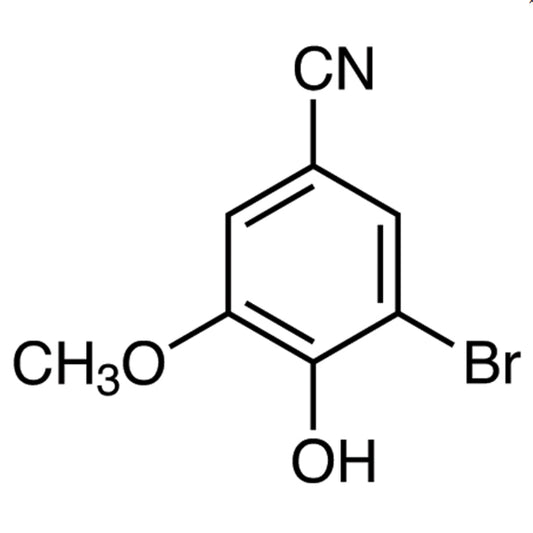
- TCI B4757 52805-45-5 3-Bromo-4-hydroxy-5-methoxybenzonitrile
- TCI B3123 144649-99-0 5-Bromo-2-methoxybenzonitrile
- TCI T3285 43020-38-8 2,3,4-Trimethoxybenzonitrile
- TCI T3244 1885-35-4 3,4,5-Trimethoxybenzonitrile
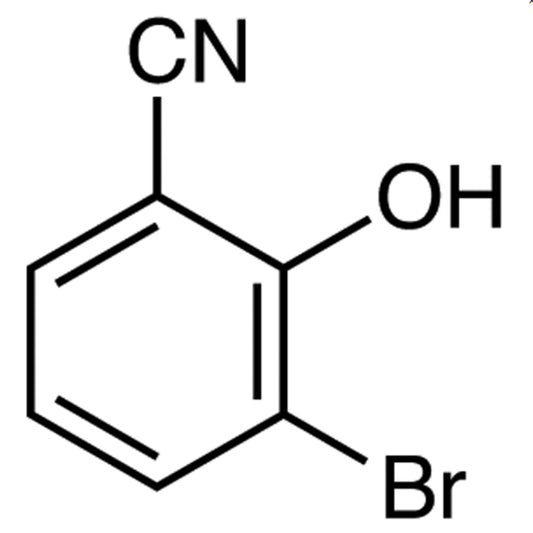
- TCI B5273 13073-28-4 3-Bromo-2-hydroxybenzonitrile
- TCI B3120 288067-35-6 4-Bromo-2-hydroxybenzonitrile
- Organic synthesis research: This compound is ideal for constructing complex organic molecules due to its multiple functional groups and reactivity.
- Pharmaceutical development: It is used in the synthesis of compounds with potential therapeutic applications, supporting drug discovery efforts.
- Industrial chemical production: Its versatility makes it suitable for the creation of various industrial chemicals and intermediates.
- Academic teaching and experimentation: It serves as an important tool for demonstrating key chemical reactions and mechanisms in educational settings.
- Compound modification studies: Its reactive groups allow for the exploration of different chemical modifications and reaction pathways.
| Brand | TCI |
|---|---|
| CAS number | 117572-79-9 |
| Molecular formula | — |
| Purity | — |
| Category | Chemistry > Building Blocks > Non-Heterocyclic Building Blocks |
| Pack sizes | Available in various quantities as per standard laboratory requirements |
| Physical form | Solid or liquid, depending on the specific product variant |
| Storage | Store in a cool, dry place away from light and incompatible materials |
This compound should be stored in a cool, dry environment, away from direct sunlight and sources of heat. It is recommended to use airtight containers to prevent exposure to moisture and air, which could affect its stability. Proper labeling of storage containers is essential for safety and traceability. In laboratory settings, it should be handled with appropriate personal protective equipment, such as gloves and safety goggles, to minimize exposure. Due to its chemical nature, it should be kept away from incompatible substances like strong acids or bases. Regular monitoring of storage conditions ensures the compound remains in optimal condition for use in research applications.
—
Produk Terkait
-
3-Bromo-4-hydroxy-5-methoxybenzonitrile TCI B4757
Regular price From Rp 742.350,00Regular priceRp 534.450,00Sale price From Rp 742.350,00 -
5-Bromo-2-methoxybenzonitrile TCI B3123
Regular price From Rp 1.192.800,00Regular priceRp 849.450,00Sale price From Rp 1.192.800,00 -
2,3,4-Trimethoxybenzonitrile TCI T3285
Regular price From Rp 1.510.950,00Regular priceRp 1.072.050,00Sale price From Rp 1.510.950,00 -
3,4,5-Trimethoxybenzonitrile TCI T3244
Regular price From Rp 1.538.250,00Regular priceRp 1.090.950,00Sale price From Rp 1.538.250,00 -
3-Bromo-2-hydroxybenzonitrile TCI B5273
Regular price From Rp 1.272.600,00Regular priceRp 905.100,00Sale price From Rp 1.272.600,00 -
4-Bromo-2-hydroxybenzonitrile TCI B3120
Regular price From Rp 1.298.850,00Regular priceRp 924.000,00Sale price From Rp 1.298.850,00 -
5-Bromo-2-hydroxybenzonitrile TCI B2214
Regular price From Rp 3.153.150,00Regular priceRp 2.220.750,00Sale price From Rp 3.153.150,00 -
3-Bromo-4-hydroxybenzonitrile TCI B2037
Regular price From Rp 2.252.250,00Regular priceRp 1.590.750,00Sale price From Rp 2.252.250,00