3H-1,2-Benzodithiol-3-one 1,1-Dioxide is a chemical compound widely used as a building block in the synthesis of complex heterocyclic compounds. This material plays a crucial role in organic chemistry laboratories, where it serves as a key intermediate in the development of new chemical entities. Its unique molecular structure, featuring two sulfur atoms and one oxygen atom in a heterocyclic ring, makes it highly versatile for chemical modifications. As a fundamental component in synthetic pathways, it enables the creation of compounds with specific functional groups and desired biological properties.
The compound is valued for its chemical stability and controlled reactivity, which allow it to participate in a wide range of chemical reactions without undergoing unwanted side reactions. Its ability to form stable intermediates and react selectively with various functional groups makes it a preferred choice for synthetic chemists. Additionally, its solid form facilitates easy handling, storage, and precise dosing in laboratory settings, enhancing its practicality in both research and industrial applications.
In Indonesian laboratories, this compound is commonly used in organic chemistry research, particularly in the development of pharmaceuticals and specialty chemicals. Its role in creating compounds with specific biological activities makes it an essential tool for researchers working on drug discovery and chemical synthesis. The compound’s availability and reliability make it a standard component in many laboratory workflows across Indonesia.
TCI brochures (PDF)
- Sulfur-Transfer Reagents for Synthesis of Oligonucleotide Phosphorothioates 2025-11-25 · p. 1
- Nucleic Acid Medicine Synthesis Research Reagents 2024-11-07 · p. 1
- Oligonucleotide Synthesis Reagents 2025-07-24 · p. 2
- Nucleosides, Nucleotides, Nucleic Acids and Related Reagents 2026-03-23 · p. 14
Related TCI products
- TCI T3320 17396-35-9 Tetrahydrothiopyran-4-one 1,1-Dioxide
- TCI T2193 39093-93-1 Thiomorpholine 1,1-Dioxide
- TCI T2100 64096-87-3 Tetrahydro-2H-thiopyran-4-carboxylic Acid 1,1-Dioxide
- TCI T2050 1894677-16-7 Thiomorpholinoacetic Acid 1',1'-Dioxide Monohydrate
- TCI B2434 26475-66-1 4-Benzylthiomorpholine 1,1-Dioxide
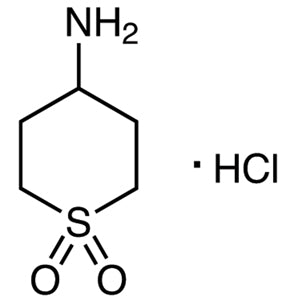
- TCI A3327 116529-31-8 4-Aminotetrahydro-2H-thiopyran 1,1-Dioxide Hydrochloride
- Organic synthesis of heterocyclic compounds due to its stable ring structure and reactivity.
- Development of pharmaceuticals and bioactive molecules through functional group modifications.
- Creation of specialty chemicals for industrial applications requiring precise molecular design.
- Research in medicinal chemistry for the synthesis of drug candidates with targeted biological effects.
- Support in analytical chemistry for the preparation of reference standards and reaction intermediates.
From the TCI brochure
- Widely used as sulfur-transfer reagent for synthesis of oligonucleotide phosphorothioates via the phosphoramidite method
| Brand | TCI |
|---|---|
| CAS number | 66304-01-6 |
| Molecular formula | — |
| Purity | — |
| Category | Chemistry > Building Blocks > Heterocyclic Building Blocks |
| Pack sizes | Available in standard laboratory quantities |
| Physical form | Solid |
| Storage | Store in a cool, dry place away from moisture and light |
Data from the TCI brochure
| Ukuran kemasan | 1 g / 5 g |
|---|
Source: TCI brochure PP016 (2025-11-25)
This compound should be stored in a cool, dry environment, away from moisture and direct light to maintain its chemical stability. It is recommended to use airtight containers made of materials compatible with its chemical properties, such as glass or high-density polyethylene. Due to its reactivity, it should be handled with care, using appropriate personal protective equipment. In laboratory settings, it should be kept in a well-ventilated area to minimize exposure. Proper labeling and storage conditions ensure the compound remains effective and safe for use in chemical synthesis and research applications.
—
Product Categories
- Building BlocksHeterocyclic Building BlocksNon-Halogenated Heterocyclic Building Blocks
- Chemical BiologyNucleic Acid ChemistryPhosphorylating Agents and Phosphorothioating Agents [Nucleic Acid Synthesis]
- Chemical BiologyNucleic Acid ChemistrySulfur Transfer Reagents [Nucleic Acid Synthesis]
- Pharmaceutical Development and Drug Discovery Research ReagentsNucleic Acid ChemistryPhosphorylating Agents and Phosphorothioating Agents [Nucleic Acid Synthesis]
- Pharmaceutical Development and Drug Discovery Research ReagentsNucleic Acid ChemistrySulfur Transfer Reagents [Nucleic Acid Synthesis]
Produk Terkait
-
Tetrahydrothiopyran-4-one1,1-Dioxide TCI T3320
Regular price From Rp 1.696.800,00Regular priceRp 1.202.250,00Sale price From Rp 1.696.800,00 -
Thiomorpholine1,1-Dioxide TCI T2193
Regular price From Rp 4.611.600,00Regular priceRp 3.240.300,00Sale price From Rp 4.611.600,00 -
Tetrahydro-2H-thiopyran-4-carboxylicAcid1,1-Dioxide TCI T2100
Regular price From Rp 1.458.450,00Regular priceRp 1.035.300,00Sale price From Rp 1.458.450,00 -
ThiomorpholinoaceticAcid1',1'-DioxideMonohydrate TCI T2050
Regular price From Rp 1.829.100,00Regular priceRp 1.294.650,00Sale price From Rp 1.829.100,00 -
4-Benzylthiomorpholine1,1-Dioxide TCI B2434
Regular price From Rp 1.749.300,00Regular priceRp 1.239.000,00Sale price From Rp 1.749.300,00 -
4-Aminotetrahydro-2H-thiopyran1,1-DioxideHydrochloride TCI A3327
Regular price From Rp 795.900,00Regular priceRp 572.250,00Sale price From Rp 795.900,00 -
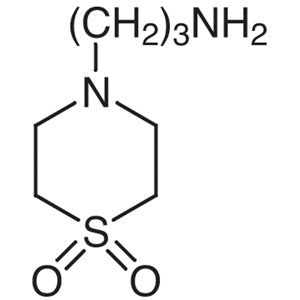
4-(3-Aminopropyl)thiomorpholine1,1-Dioxide TCI A1804
Regular price From Rp 2.359.350,00Regular priceRp 1.665.300,00Sale price From Rp 2.359.350,00 -
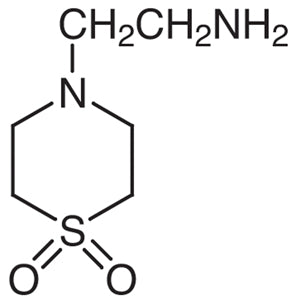
4-(2-Aminoethyl)thiomorpholine1,1-Dioxide TCI A1803
Regular price From Rp 2.650.200,00Regular priceRp 1.869.000,00Sale price From Rp 2.650.200,00