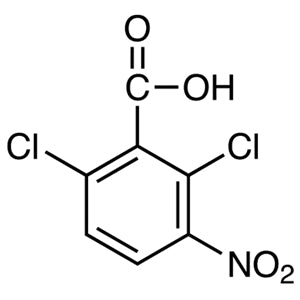
2-Bromo-4-nitrobenzoic Acid is a versatile organic compound widely used in laboratory settings for its reactivity and structural versatility. It serves as a key building block in the synthesis of complex organic molecules, including pharmaceuticals and industrial chemicals. This compound is commonly employed in research and development processes where precise chemical modifications are required. Its role in facilitating the formation of more intricate molecular structures makes it an essential tool for chemists working on advanced synthesis projects.
The compound’s reactivity stems from its bromo and nitro functional groups, which are highly reactive and enable a variety of chemical transformations. These groups allow for substitution, oxidation, and reduction reactions, making the compound suitable for a wide range of synthetic applications. Its aromatic structure provides stability, while the functional groups offer the necessary reactivity for further chemical modifications. This combination of stability and reactivity makes it a preferred choice for researchers aiming to design and synthesize novel compounds.
In Indonesian laboratories, 2-Bromo-4-nitrobenzoic Acid is extensively used in chemical synthesis research, particularly in the development of new pharmaceuticals and specialty chemicals. Its solubility in organic solvents simplifies handling and processing, making it ideal for use in both academic and industrial research environments. The compound’s availability and reliability contribute to its widespread use in various chemical applications across the region.
Related TCI products
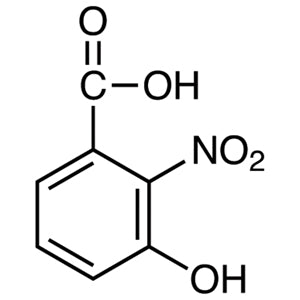
- TCI H1324 602-00-6 3-Hydroxy-2-nitrobenzoic Acid
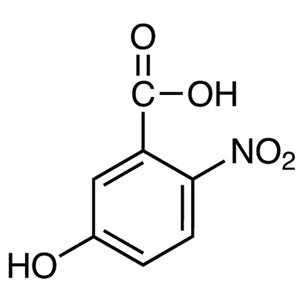
- TCI H1321 610-37-7 5-Hydroxy-2-nitrobenzoic Acid
- TCI B4786 101420-81-9 3-Bromo-4-nitrobenzoic Acid
- TCI B3370 6307-83-1 3-Bromo-5-nitrobenzoic Acid
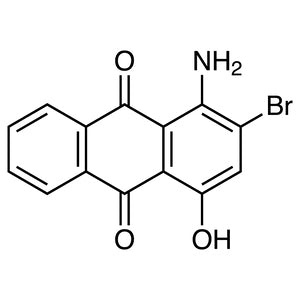
- TCI A1082 116-82-5 1-Amino-2-bromo-4-hydroxyanthracene-9,10-dione
- TCI M2828 33844-21-2 4-Methoxy-2-nitrobenzoic Acid
- Organic synthesis is a primary application where this compound is used for creating complex molecular structures due to its reactive functional groups.
- Pharmaceutical research benefits from its role in synthesizing drug molecules, as it allows for the introduction of bromo and nitro groups into target compounds.
- Industrial chemical production utilizes this compound for the development of specialty chemicals, leveraging its reactivity and structural versatility.
- Analytical chemistry experiments often incorporate this compound as a standard or reagent due to its well-defined chemical properties.
- Teaching laboratories use it for demonstrating organic reactions and functional group chemistry, providing students with hands-on experience in synthetic processes.
| Brand | TCI |
|---|---|
| CAS number | 16426-64-5 |
| Molecular formula | — |
| Purity | — |
| Category | Chemistry > Building Blocks > Non-Heterocyclic Building Blocks |
| Pack sizes | Available in various quantities as per standard laboratory supply formats |
| Physical form | Solid |
| Storage | Store in a cool, dry place away from direct sunlight and moisture |
This compound should be stored in a cool, dry environment, away from direct sunlight and moisture to maintain its chemical integrity. It is recommended to use airtight containers to prevent exposure to humidity and air, which may affect its stability. Due to its reactivity, it should be handled in a well-ventilated area, and appropriate personal protective equipment should be worn when working with it. Avoid contact with incompatible substances to ensure safe laboratory practices. Proper storage and handling are essential to preserve the compound’s effectiveness and ensure the safety of laboratory personnel.
—
Product Categories
Produk Terkait
-
3-Hydroxy-2-nitrobenzoicAcid TCI H1324
Regular price From Rp 1.431.150,00Regular priceRp 1.016.400,00Sale price From Rp 1.431.150,00 -
5-Hydroxy-2-nitrobenzoicAcid TCI H1321
Regular price From Rp 1.618.050,00Regular priceRp 1.146.600,00Sale price From Rp 1.618.050,00 -
3-Bromo-4-nitrobenzoicAcid TCI B4786
Regular price From Rp 1.670.550,00Regular priceRp 1.183.350,00Sale price From Rp 1.670.550,00 -
3-Bromo-5-nitrobenzoicAcid TCI B3370
Regular price From Rp 1.008.000,00Regular priceRp 720.300,00Sale price From Rp 1.008.000,00 -
1-Amino-2-bromo-4-hydroxyanthracene-9,10-dione TCI A1082
Regular price Rp 848.400,00Regular priceRp 609.000,00Sale price Rp 848.400,00 -
4-Methoxy-2-nitrobenzoicAcid TCI M2828
Regular price From Rp 980.700,00Regular priceRp 701.400,00Sale price From Rp 980.700,00 -
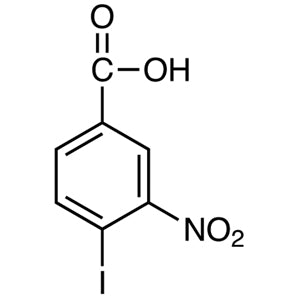
4-Iodo-3-nitrobenzoicAcid TCI I0980
Regular price From Rp 1.351.350,00Regular priceRp 960.750,00Sale price From Rp 1.351.350,00 -
2,6-Dichloro-3-nitrobenzoicAcid TCI D5173
Regular price Rp 1.087.800,00Regular priceRp 775.950,00Sale price Rp 1.087.800,00