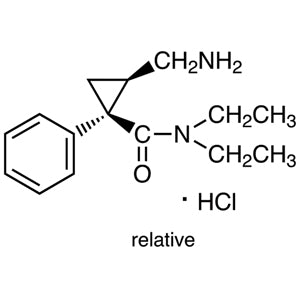
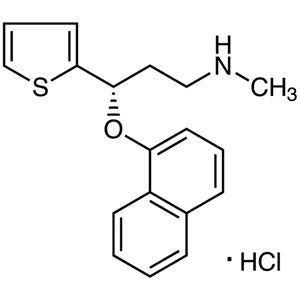
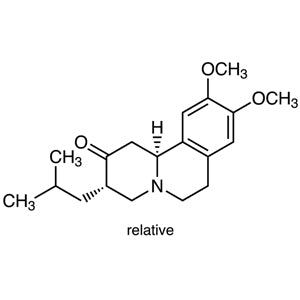
Bupropion Hydrochloride is a chemical compound widely used in pharmacological and life science research. As a pharmaceutical research reagent, it plays a crucial role in the development of new drugs and the study of pharmacological effects of various compounds. This compound is essential for understanding the mechanisms of action of medications, particularly in the investigation of mood disorders and addiction. Its versatility makes it a valuable tool in both clinical and laboratory settings, supporting the advancement of pharmaceutical science.
The chemical properties of Bupropion Hydrochloride make it a preferred choice for researchers. It exhibits high chemical stability and is soluble in organic solvents such as ethyl acetate and ethanol, which facilitates its use in a wide range of chemical reactions and synthesis processes. Its high purity level ensures accurate and consistent experimental results, making it reliable for scientific studies. These characteristics contribute to its widespread use in pharmacological research, where precision and reliability are paramount.
In Indonesian laboratories, Bupropion Hydrochloride is commonly used in scientific research, especially in the fields of pharmacology and biochemistry. It is frequently employed for pharmacological activity testing, drug development, and studies on side effects. Its application in both academic and industrial research settings highlights its importance in advancing medical science and pharmaceutical innovation.
TCI brochures (PDF)
- Neurotransmission Research Reagents 2026-07-17 · p. 2
- Pharmaceutical Ingredients for Research and Experimental Use 2026-03-09 · p. 25
- Pharmacological Activity Testing: Bupropion Hydrochloride is ideal for assessing the effects of compounds on biological systems, aiding in the evaluation of drug efficacy and safety.
- Drug Development Research: Its use in developing new therapeutic agents supports the exploration of potential treatments for mood disorders and addiction.
- Biochemical Studies: The compound is used to investigate the biochemical pathways and mechanisms involved in drug interactions and physiological responses.
- Clinical Trial Support: It is utilized in preclinical studies to simulate and analyze the pharmacological behavior of drugs in controlled environments.
- Toxicological Evaluation: Bupropion Hydrochloride helps in assessing the toxicity and side effects of pharmaceutical compounds, ensuring safe drug formulations.
| Brand | TCI |
|---|---|
| CAS number | 31677-93-7 |
| Molecular formula | — |
| Purity | — |
| Category | Life Science > Biochemicals and Reagents > Pharmaceutical Research Reagents |
| Pack sizes | Available in various quantities suitable for laboratory use |
| Physical form | White crystalline powder |
| Storage | Store in a cool, dry place away from light and moisture |
Bupropion Hydrochloride should be stored in a cool, dry environment, away from direct light and moisture to maintain its chemical stability. It is recommended to keep the compound in a tightly sealed container to prevent exposure to air and humidity. Laboratory personnel should handle the material with care, using appropriate personal protective equipment such as gloves and safety goggles to minimize risk. Due to its pharmaceutical use, it is important to ensure that storage conditions do not compromise its purity or effectiveness. Regular monitoring of storage conditions is advised to maintain the integrity of the compound for research purposes.
—
Product Categories
- Biochemicals and ReagentsPharmaceutical Research Reagents (for Experimental Use)Neurotransmitter Agent Ingredients (for Research and Experimental Use)
- Biochemicals and Reagents
- Cell BiologyCell Signaling and NeuroscienceNeuroscience
- Pharmaceutical Development and Drug Discovery ResearchPharmaceutical Research Reagents (for Experimental Use)Neurotransmitter Agent Ingredients (for Research and Experimental Use)
Produk Terkait
-
VenlafaxineHydrochloride TCI V0110
Regular price From Rp 795.900,00Regular priceRp 572.250,00Sale price From Rp 795.900,00 -
MilnacipranHydrochloride TCI M2133
Regular price From Rp 928.200,00Regular priceRp 664.650,00Sale price From Rp 928.200,00 -
FluvoxamineMaleate TCI F0858
Regular price From Rp 1.087.800,00Regular priceRp 775.950,00Sale price From Rp 1.087.800,00 -
DuloxetineHydrochloride TCI D4223
Regular price From Rp 3.365.250,00Regular priceRp 2.368.800,00Sale price From Rp 3.365.250,00 -
ClomipramineHydrochloride TCI C3897
Regular price From Rp 1.618.050,00Regular priceRp 1.146.600,00Sale price From Rp 1.618.050,00 -
CitalopramHydrobromide TCI C2370
Regular price From Rp 3.127.950,00Regular priceRp 2.202.900,00Sale price From Rp 3.127.950,00 -
TrospiumChloride TCI T3305
Regular price From Rp 2.994.600,00Regular priceRp 2.109.450,00Sale price From Rp 2.994.600,00 -
Tetrabenazine TCI T2839
Regular price From Rp 3.021.900,00Regular priceRp 2.128.350,00Sale price From Rp 3.021.900,00