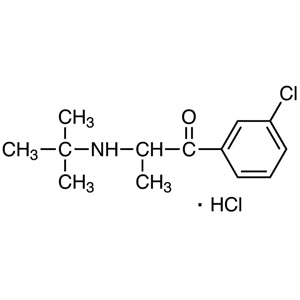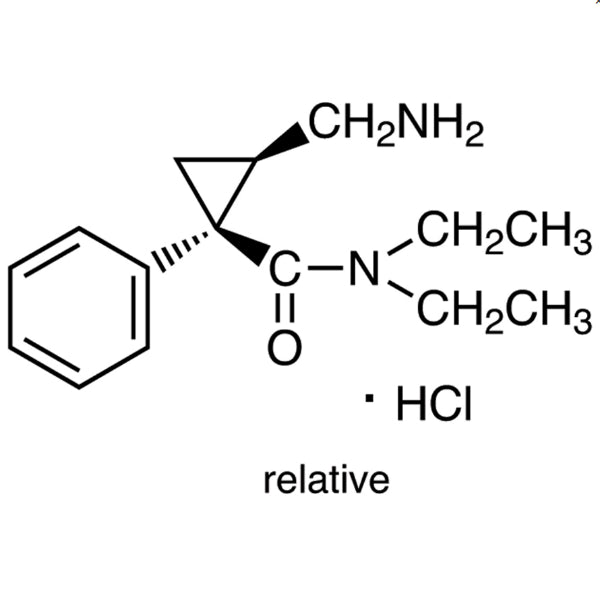
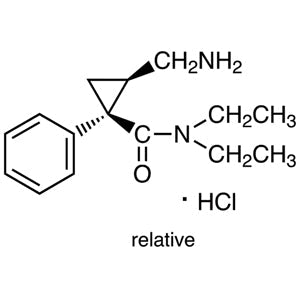
Milnacipran Hydrochloride is a chemical compound widely used in pharmacological and biochemical research. It plays a crucial role in laboratories by enabling the study of drug mechanisms and the development of therapeutic approaches for neurological and psychological disorders. As a pharmaceutical research reagent, it is essential for investigating the pharmacological effects on the nervous system and understanding biological responses to medication. This compound is particularly valuable in experimental settings where precise control over drug interactions and effects is required.
The compound is known for its chemical stability and compatibility with various analytical methods, making it a preferred choice for researchers. Its specific molecular structure allows for accurate dosing and effect control, which is vital in experimental studies. Additionally, its non-toxic nature and broad applicability across different research methodologies contribute to its popularity in both academic and industrial laboratories. These properties ensure that it remains a reliable and versatile tool in the field of pharmaceutical research.
In Indonesian laboratories, Milnacipran Hydrochloride is commonly used in scientific research related to pharmacology, neuropharmacology, and biochemistry. It is particularly relevant for studies aimed at understanding the effects of drugs on the nervous system and the development of new therapeutic treatments. Its application supports the advancement of scientific knowledge and the creation of innovative medical solutions.
- Pharmacological research for studying drug mechanisms and therapeutic effects on neurological disorders.
- Neuropharmacological studies to analyze the interaction of drugs with the central nervous system.
- Biochemical experiments to explore the molecular basis of drug responses and biological activity.
- Drug development projects focusing on the efficacy and safety of new pharmaceutical compounds.
- Experimental models for assessing the impact of pharmacological agents on cellular and physiological processes.
| Brand | TCI |
|---|---|
| CAS number | 101152-94-7 |
| Molecular formula | — |
| Purity | — |
| Category | Life Science > Biochemicals and Reagents > Pharmaceutical Research Reagents |
| Pack sizes | Available in standard laboratory quantities |
| Physical form | Solid powder |
| Storage | Store in a cool, dry place away from direct sunlight |
Milnacipran Hydrochloride should be stored in a cool, dry environment to maintain its chemical stability. It is recommended to keep it in a sealed container to prevent moisture absorption and contamination. The compound is non-toxic, but standard laboratory safety precautions should still be followed when handling. It is compatible with most analytical techniques, making it suitable for use in various experimental setups. Proper labeling and storage conditions ensure the integrity of the compound and its effectiveness in research applications. Always ensure that the storage area is well-ventilated and free from potential chemical interactions.
—
Produk Terkait
-
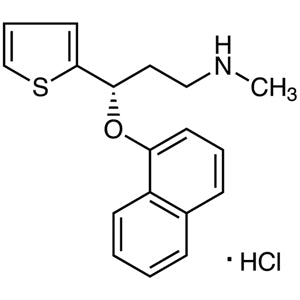
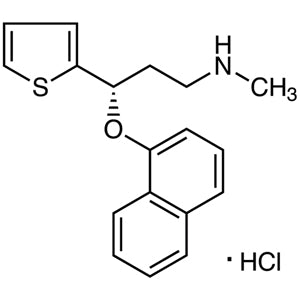
DuloxetineHydrochloride TCI D4223
Regular price From Rp 3.312.750,00Regular price -
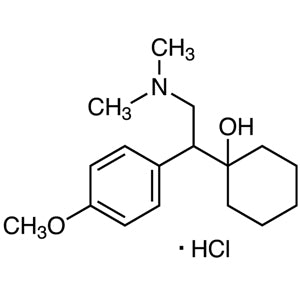
VenlafaxineHydrochloride TCI V0110
Regular price From Rp 743.400,00Regular price -
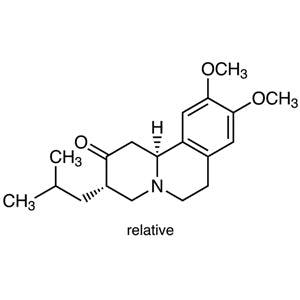
Tetrabenazine TCI T2839
Regular price From Rp 2.969.400,00Regular price -
BupropionHydrochloride TCI B3649
Regular price From Rp 2.518.950,00Regular price -
FluvoxamineMaleate TCI F0858
Regular price From Rp 1.035.300,00Regular price -
ClomipramineHydrochloride TCI C3897
Regular price From Rp 1.565.550,00Regular price -
CitalopramHydrobromide TCI C2370
Regular price From Rp 3.075.450,00Regular price -
TrospiumChloride TCI T3305
Regular price From Rp 2.942.100,00Regular price