(2S,3S,5R,6R)-5,6-Bis(azidomethyl)-2,3-dimethoxy-2,3-dimethyl-1,4-dioxane is a complex chemical compound widely utilized in synthetic chemistry applications. This compound serves as a key building block in the synthesis of heteroaromatic compounds and nitrogen-based organic molecules. Its unique structure, featuring two azide groups attached to a dioxane ring, makes it a versatile reagent in advanced chemical reactions. In laboratory settings, it is particularly valued for its ability to participate in various synthetic pathways, offering researchers a reliable tool for creating complex molecular structures.
The compound's reactivity stems from its azide functional groups, which are known for their stability yet high reactivity under appropriate conditions. These groups can engage in multiple chemical transformations, including substitution and coupling reactions. The dioxane ring provides structural stability, allowing the compound to maintain its integrity during synthesis. This combination of reactivity and stability makes it a preferred choice for chemists working on intricate synthetic routes.
In Indonesian laboratories, this compound is commonly used in research focused on pharmaceutical development, industrial chemical synthesis, and organic chemistry. Its role in creating nitrogen-based compounds is especially significant in the development of new drugs and specialized materials. The compound's versatility and reliability make it a valuable asset in both academic and industrial research environments.
Related TCI products
- TCI A2474 1392500-07-0 2-Azido-1,3-bis[(2,2-dimethyl-1,3-dioxan-5-yl)oxy]propane
- TCI D6509 3395-03-7 1,2-Dimethoxy-4,5-dinitrobenzene
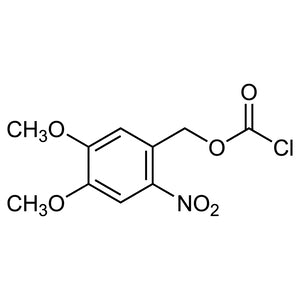
- TCI D6396 42855-00-5 4,5-Dimethoxy-2-nitrobenzyl Carbonochloridate
- TCI D6226 4230-93-7 1,2-Dimethoxy-4-(2-nitrovinyl)benzene
- TCI D4811 1016-58-6 4,5-Dimethoxy-2-nitrobenzyl Alcohol
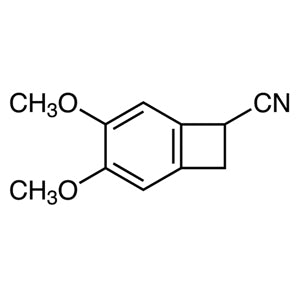
- TCI D4485 35202-54-1 4,5-Dimethoxy-1-benzocyclobutenecarbonitrile
- Synthetic Organic Chemistry: This compound is ideal for synthesizing nitrogen-containing organic compounds due to its azide functionality, which enables efficient coupling and substitution reactions.
- Pharmaceutical Research: It is frequently used in drug development to create complex molecular structures that may exhibit therapeutic properties.
- Industrial Chemical Synthesis: Its reactivity and stability make it suitable for large-scale production of specialized chemical intermediates.
- Heteroaromatic Compound Synthesis: The compound's structure facilitates the formation of heteroaromatic rings, essential in many pharmaceutical and agrochemical applications.
- Advanced Organic Reactions: It is well-suited for use in reactions requiring high reactivity and precise functional group manipulation.
| Brand | TCI |
|---|---|
| CAS number | 1585236-34-5 |
| Molecular formula | — |
| Purity | — |
| Category | Chemistry > Building Blocks > Non-Heterocyclic Building Blocks |
| Pack sizes | — |
| Physical form | — |
| Storage | Store in a cool, dry place away from direct sunlight and incompatible materials |
This compound should be stored in a cool, dry environment, away from direct sunlight and sources of heat. It is recommended to use airtight containers to prevent exposure to moisture and air, which may affect its stability. Due to its reactivity, it should be kept separate from incompatible substances such as strong acids, bases, and reducing agents. Proper labeling and storage in a designated chemical storage area are essential to ensure safety. Laboratory personnel should wear appropriate personal protective equipment, including gloves and safety goggles, when handling this compound to minimize exposure risks. Regular monitoring of storage conditions is advised to maintain the compound's integrity and ensure safe laboratory practices.
—
Product Categories
Produk Terkait
-
2-Azido-1,3-bis[(2,2-dimethyl-1,3-dioxan-5-yl)oxy]propane TCI A2474
Regular price Rp 4.796.400,00Regular priceRp 3.369.450,00Sale price Rp 4.796.400,00 -
1,2-Dimethoxy-4,5-dinitrobenzene TCI D6509
Regular price Rp 4.771.200,00Regular priceRp 3.335.850,00Sale price Rp 4.771.200,00 -
4,5-Dimethoxy-2-nitrobenzylCarbonochloridate TCI D6396
Regular price From Rp 1.431.150,00Regular priceRp 1.016.400,00Sale price From Rp 1.431.150,00 -
1,2-Dimethoxy-4-(2-nitrovinyl)benzene TCI D6226
Regular price From Rp 2.942.100,00Regular priceRp 2.056.950,00Sale price From Rp 2.942.100,00 -
4,5-Dimethoxy-2-nitrobenzylAlcohol TCI D4811
Regular price From Rp 1.405.950,00Regular priceRp 998.550,00Sale price From Rp 1.405.950,00 -
4,5-Dimethoxy-1-benzocyclobutenecarbonitrile TCI D4485
Regular price From Rp 2.332.050,00Regular priceRp 1.646.400,00Sale price From Rp 2.332.050,00 -
2,4-Dimethoxy-1-nitrobenzene TCI D4382
Regular price Rp 1.538.250,00Regular priceRp 1.075.200,00Sale price Rp 1.538.250,00 -
4,5-Dimethoxy-2-nitrobenzonitrile TCI D2984
Regular price Rp 1.060.500,00Regular priceRp 757.050,00Sale price Rp 1.060.500,00