Benzydamine Hydrochloride (BCD) is a chemical compound widely utilized in life sciences and biochemistry research. As a versatile reagent, it plays a crucial role in laboratory settings by serving as an enzyme substrate or inhibitor. Its ability to interact with various enzymes makes it an essential tool for studying enzymatic mechanisms and their regulatory processes. BCD is particularly valuable in experiments that aim to understand the dynamics of enzyme activity and inhibition. Its chemical properties allow it to be a reliable component in biochemical assays and drug development studies.
One of the key attributes that make BCD a preferred choice is its broad-spectrum biological activity. It exhibits anti-inflammatory, antibacterial, and antiviral properties, which make it suitable for a wide range of research applications. These properties enable researchers to investigate the effects of inflammation and infection in controlled environments. Additionally, BCD is chemically stable under certain conditions, ensuring consistent performance in experiments over time. Its stability and reactivity contribute to its reliability in both academic and industrial research settings.
In Indonesian laboratories, BCD is commonly used in pharmaceutical, biochemical, and medical research. It is a preferred material due to its proven effectiveness and reliability in experimental processes. Its availability in various packaging formats allows researchers to select the most suitable option for their specific needs. The compound's consistent performance and well-documented properties make it a trusted choice for scientific investigations in Indonesia.
TCI brochures (PDF)
- Lipid Mediator Research Reagents 2026-04-10 · p. 1
- Immune System, Inflammation, Allergy Research Reagents 2025-05-26 · p. 3
- Pharmaceutical Ingredients for Research and Experimental Use 2026-03-09 · p. 32
- Enzyme Inhibition Studies: BCD is ideal for studying enzyme inhibition due to its ability to interact with various enzyme types, offering insights into enzyme activity and regulatory mechanisms.
- Anti-inflammatory Research: Its anti-inflammatory properties make it suitable for experiments focused on inflammation-related diseases and therapeutic interventions.
- Antimicrobial Testing: BCD's antibacterial activity supports research into microbial resistance and the development of new antimicrobial agents.
- Drug Development: It is widely used in pharmaceutical research as an active ingredient for developing treatments for infections and inflammatory conditions.
- Biochemical Assays: BCD serves as a reliable reagent in biochemical assays, aiding in the analysis of enzyme kinetics and metabolic pathways.
| Brand | TCI |
|---|---|
| CAS number | 132-69-4 |
| Molecular formula | — |
| Purity | — |
| Category | Life Science > Biochemicals and Reagents > Enzymes, Enzyme Inhibitors, Enzyme Substrates |
| Pack sizes | Available in various packaging formats to suit different experimental needs |
| Physical form | Solid (powder or crystalline, depending on formulation) |
| Storage | Store in a cool, dry place away from direct sunlight |
Benzydamine Hydrochloride should be stored in a cool, dry environment to maintain its chemical stability and prevent degradation. It is recommended to use airtight containers to minimize exposure to moisture and air, which can affect its potency. Proper labeling of containers is essential to ensure safe handling and prevent cross-contamination. In laboratory settings, it is important to wear appropriate personal protective equipment, such as gloves and safety goggles, when handling the compound. Avoid direct contact with skin or inhalation of dust, and ensure adequate ventilation in work areas. These precautions help maintain the integrity of the compound and ensure the safety of laboratory personnel.
—
Product Categories
- Biochemicals and ReagentsEnzymes, Enzyme Inhibitors, Enzyme SubstratesEnzymes [by Application]
- Biochemicals and ReagentsEnzymes, Enzyme Inhibitors, Enzyme SubstratesEnzyme Inhibitors [Biochemicals and Reagents]
- Biochemicals and ReagentsPharmaceutical Research Reagents (for Experimental Use)Anti-inflammatory Ingredients (for Research and Experimental Use)
- Cell BiologyImmune System, Inflammation, Allergy ResearchCyclooxygenase (COX) Inhibitors
- Pharmaceutical Development and Drug Discovery ResearchPharmaceutical Research Reagents (for Experimental Use)Anti-inflammatory Ingredients (for Research and Experimental Use)
Produk Terkait
-
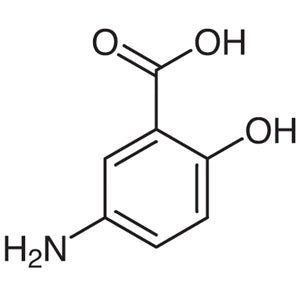
5-AminosalicylicAcid TCI A0317
Regular price From Rp 1.008.000,00Regular priceRp 720.300,00Sale price From Rp 1.008.000,00 -
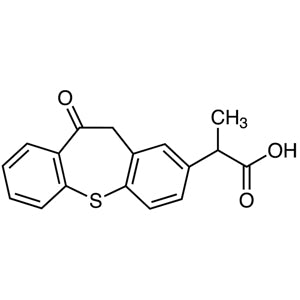
Zaltoprofen TCI Z0021
Regular price From Rp 1.378.650,00Regular priceRp 979.650,00Sale price From Rp 1.378.650,00 -
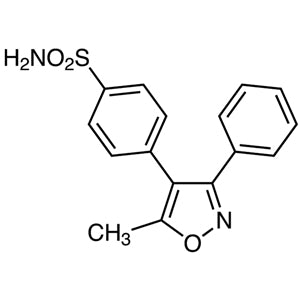
Valdecoxib TCI V0133
Regular price From Rp 2.914.800,00Regular priceRp 2.053.800,00Sale price From Rp 2.914.800,00 -
Suprofen TCI U0138
Regular price From Rp 4.559.100,00Regular priceRp 3.203.550,00Sale price From Rp 4.559.100,00 -
Tolmetin TCI T4087
Regular price From Rp 1.192.800,00Regular priceRp 849.450,00Sale price From Rp 1.192.800,00 -
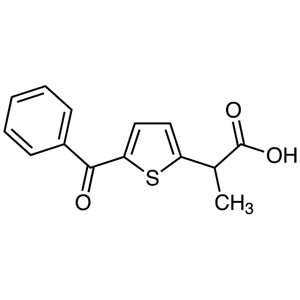
TiaprofenicAcid TCI T3175
Regular price From Rp 3.922.800,00Regular priceRp 2.758.350,00Sale price From Rp 3.922.800,00 -
Tenoxicam TCI T2750
Regular price From Rp 2.491.650,00Regular priceRp 1.757.700,00Sale price From Rp 2.491.650,00 -
Bufexamac TCI B4179
Regular price Rp 1.483.650,00Regular priceRp 1.053.150,00Sale price Rp 1.483.650,00