Bis(catecholato)diboron is a chemical compound widely used in synthetic reactions to form C-X bonds, particularly in reactions involving carbon bonding with non-halogen elements. This reagent plays a crucial role in laboratory settings where complex molecule synthesis is required. Its ability to act as a boron-based catalyst or reagent makes it essential for various organic chemistry applications. It is commonly found in chemical laboratories as a key reagent in the development of new compounds and materials. Due to its reactivity and versatility, it is highly valued for its contribution to efficient and effective chemical synthesis processes.
The compound is known for its chemical stability under controlled conditions, yet it exhibits high reactivity towards water and oxygen. These properties make it a preferred choice for reactions that require the presence of boron in specific forms. Its reactivity allows it to participate in a wide range of chemical transformations, making it a versatile tool in synthetic chemistry. The stability of the compound under certain conditions also ensures that it can be used reliably in laboratory experiments without unnecessary degradation. These characteristics make it an ideal reagent for applications requiring both reactivity and controlled behavior.
In Indonesian laboratories, Bis(catecholato)diboron is frequently used in organic chemistry research and the synthesis of complex compounds. It is widely adopted by educational and research institutions due to its reliability and effectiveness. Its availability and performance in laboratory settings make it a go-to reagent for chemists working on advanced synthetic processes. This compound supports a variety of experimental needs, contributing to the advancement of chemical research in Indonesia.
TCI brochures (PDF)
- Boration Reagents 2026-02-09 · p. 1
- Suzuki-Miyaura Cross Coupling Reaction 2025-12-01 · p. 22
- Boron Compounds 2025-10-07 · p. 21
Related TCI products
- TCI D4357 185990-03-8 2-(Dimethylphenylsilyl)-4,4,5,5-tetramethyl-1,3,2-dioxaborolane
- TCI T3556 1214264-88-6 2-(4,4,5,5-Tetramethyl-1,3,2-dioxaborolan-2-yl)-2,3-dihydro-1H-naphtho[1,8-de][1,3,2]diazaborinine
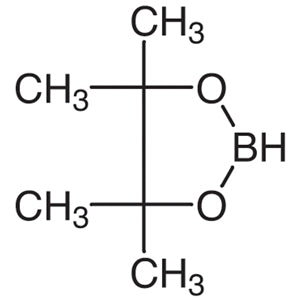
- TCI T2572 25015-63-8 4,4,5,5-Tetramethyl-1,3,2-dioxaborolane
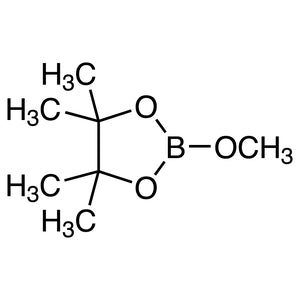
- TCI M1714 1195-66-0 2-Methoxy-4,4,5,5-tetramethyl-1,3,2-dioxaborolane
- Organic synthesis reactions benefit from Bis(catecholato)diboron due to its ability to activate boron-based reactions, enhancing the efficiency of complex molecule formation.
- It is ideal for catalytic processes where boron is required to facilitate the formation of C-X bonds without interfering with other reaction components.
- In the development of new pharmaceutical compounds, this reagent supports the synthesis of compounds with specific structural requirements.
- It is commonly used in research involving boron-mediated transformations, providing a reliable source of boron in controlled chemical environments.
- Indonesian laboratories use it extensively in academic research to explore new synthetic pathways and improve the yield of chemical reactions.
| Brand | TCI |
|---|---|
| CAS number | 13826-27-2 |
| Molecular formula | — |
| Purity | — |
| Category | Chemistry > Synthetic Reagents > C-X(Non-Halogen) Bond Formation [Synthetic Reagents] |
| Pack sizes | Available in various quantities based on laboratory needs |
| Physical form | Solid or powder, depending on the specific product variant |
| Storage | — |
Bis(catecholato)diboron should be stored in a cool, dry, and well-ventilated area away from moisture and oxygen sources. It is recommended to use airtight containers made of materials that are chemically inert to prevent any unwanted reactions. Due to its reactivity with water and oxygen, it is essential to maintain a controlled environment to preserve its chemical integrity. Laboratory personnel should wear appropriate personal protective equipment when handling this compound to ensure safety. Regular monitoring of storage conditions is advised to maintain the reagent's effectiveness and prevent degradation. Proper storage not only ensures the longevity of the compound but also supports safe and efficient laboratory operations.
—
Produk Terkait
-
2-(Dimethylphenylsilyl)-4,4,5,5-tetramethyl-1,3,2-dioxaborolane TCI D4357
Regular price From Rp 1.961.400,00Regular priceRp 1.387.050,00Sale price From Rp 1.961.400,00 -
2-(4,4,5,5-Tetramethyl-1,3,2-dioxaborolan-2-yl)-2,3-dihydro-1H-naphtho[1,8-de][1,3,2]diazaborinine TCI T3556
Regular price From Rp 928.200,00Regular priceRp 664.650,00Sale price From Rp 928.200,00 -
4,4,5,5-Tetramethyl-1,3,2-dioxaborolane TCI T2572
Regular price From Rp 1.618.050,00Regular priceRp 1.146.600,00Sale price From Rp 1.618.050,00 -
2-Methoxy-4,4,5,5-tetramethyl-1,3,2-dioxaborolane TCI M1714
Regular price From Rp 1.087.800,00Regular priceRp 775.950,00Sale price From Rp 1.087.800,00