5-Bromo-2,2-difluoro-1,3-benzodioxole is a chemical compound widely used as a building block in the synthesis of complex organic molecules. It plays a crucial role in laboratory settings by enabling the creation of various functionalized compounds through substitution and coupling reactions. Its unique structure allows it to participate in multiple chemical transformations, making it an essential component for researchers working in organic chemistry. This compound is particularly valuable for those involved in drug development and industrial chemical production due to its versatility and reactivity.
The compound is known for its stable chemical structure and high reactivity, which make it a preferred choice in synthetic chemistry. It can readily form bonds with a variety of functional groups, facilitating the development of new compounds with tailored properties. Its ability to undergo substitution reactions, coupling reactions, and oxidation processes makes it highly adaptable to different synthetic strategies. These properties are particularly beneficial in research environments where the synthesis of novel compounds is a primary goal.
In Indonesian laboratories, this compound is extensively used in organic chemistry research, especially in academic and industrial settings. It is commonly found in pharmaceutical research, where it contributes to the development of new drugs and chemical intermediates. Its availability and reliability make it a go-to material for scientists aiming to advance their research in functional organic chemistry.
TCI brochures (PDF)
- Fluorination Reagents, Fluorinated Building Blocks 2026-03-18 · p. 49
Related TCI products
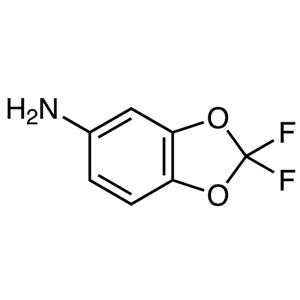
- TCI A3107 1544-85-0 5-Amino-2,2-difluoro-1,3-benzodioxole
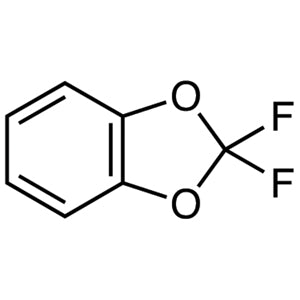
- TCI D4051 1583-59-1 2,2-Difluoro-1,3-benzodioxole
- TCI O0404 82419-35-0 9,10-Difluoro-2,3-dihydro-3-methyl-7-oxo-7H-pyrido[1,2,3-de]-1,4-benzoxazine-6-carboxylic Acid
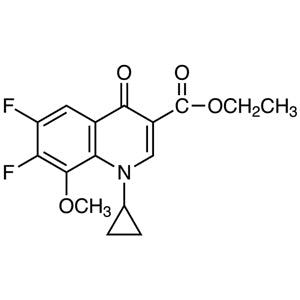
- TCI E1147 112811-71-9 Ethyl 1-Cyclopropyl-6,7-difluoro-1,4-dihydro-8-methoxy-4-oxo-3-quinolinecarboxylate
- TCI D6278 1041143-98-9 3,6-Difluoro-9H-carbazole
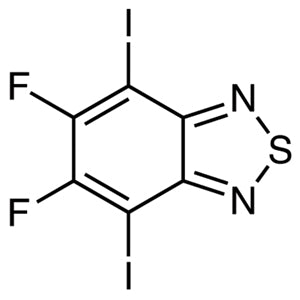
- TCI D5547 1293389-29-3 5,6-Difluoro-4,7-diiodo-2,1,3-benzothiadiazole
- Organic synthesis: This compound is ideal for creating complex organic molecules due to its reactivity and ability to undergo substitution reactions.
- Drug development: It is frequently used in pharmaceutical research to synthesize new drug candidates and chemical intermediates.
- Industrial chemistry: Its versatility makes it suitable for the production of various industrial chemicals and functional materials.
- Functional group modification: The compound is well-suited for reactions that involve the introduction or modification of functional groups.
- Research and development: It is a key component in laboratory settings where the creation of new compounds is a primary research objective.
| Brand | TCI |
|---|---|
| CAS number | 33070-32-5 |
| Molecular formula | — |
| Purity | — |
| Category | Chemistry > Building Blocks > Fluorinated Building Blocks |
| Pack sizes | Available in various quantities as per standard supplier offerings |
| Physical form | Solid |
| Storage | Store in a cool, dry place away from light and moisture |
This compound should be stored in a cool, dry environment, away from direct light and moisture to maintain its stability and reactivity. It is recommended to use airtight containers to prevent exposure to air and humidity, which could affect its chemical integrity. In laboratory settings, proper ventilation should be ensured when handling the compound to minimize any potential inhalation risks. Always wear appropriate personal protective equipment, such as gloves and safety goggles, when working with this material. It is important to keep the compound away from incompatible substances to avoid any unwanted chemical reactions. Following these storage and handling guidelines ensures the safety of laboratory personnel and the effectiveness of the compound in research applications.
—
Produk Terkait
-
5-Amino-2,2-difluoro-1,3-benzodioxole TCI A3107
Regular price From Rp 2.068.500,00Regular priceRp 1.461.600,00Sale price From Rp 2.068.500,00 -
2,2-Difluoro-1,3-benzodioxole TCI D4051
Regular price From Rp 557.550,00Regular priceRp 405.300,00Sale price From Rp 557.550,00 -
9,10-Difluoro-2,3-dihydro-3-methyl-7-oxo-7H-pyrido[1,2,3-de]-1,4-benzoxazine-6-carboxylicAcid TCI O0404
Regular price From Rp 2.597.700,00Regular priceRp 1.832.250,00Sale price From Rp 2.597.700,00 -
Ethyl1-Cyclopropyl-6,7-difluoro-1,4-dihydro-8-methoxy-4-oxo-3-quinolinecarboxylate TCI E1147
Regular price From Rp 557.550,00Regular priceRp 405.300,00Sale price From Rp 557.550,00 -
3,6-Difluoro-9H-carbazole TCI D6278
Regular price From Rp 2.782.500,00Regular priceRp 1.961.400,00Sale price From Rp 2.782.500,00 -
5,6-Difluoro-4,7-diiodo-2,1,3-benzothiadiazole TCI D5547
Regular price Rp 6.573.000,00Regular priceRp 4.611.600,00Sale price Rp 6.573.000,00 -
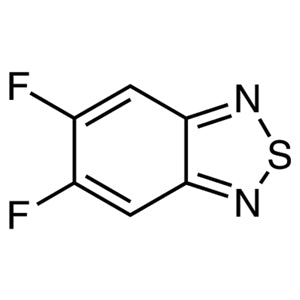
5,6-Difluoro-2,1,3-benzothiadiazole TCI D5246
Regular price Rp 8.187.900,00Regular priceRp 5.741.400,00Sale price Rp 8.187.900,00 -
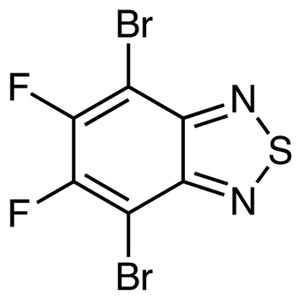
4,7-Dibromo-5,6-difluoro-2,1,3-benzothiadiazole TCI D4734
Regular price Rp 5.246.850,00Regular priceRp 3.684.450,00Sale price Rp 5.246.850,00