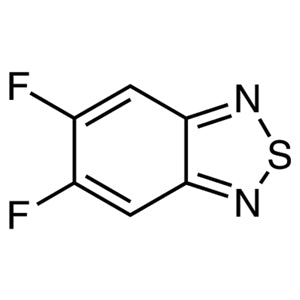
5-Amino-2,2-difluoro-1,3-benzodioxole is a chemical compound widely used in laboratory settings as a building block for the synthesis of complex molecules, particularly in organic chemistry. Its unique structure, featuring both amino and fluorine substituents, makes it a valuable tool for researchers aiming to develop new compounds with specific functional properties. This compound is commonly found in synthetic pathways that require precise molecular modifications, contributing to advancements in pharmaceutical and materials science. Its versatility allows it to be incorporated into a variety of chemical reactions, making it an essential component in modern synthetic chemistry.
The compound’s stability under controlled conditions, combined with its reactivity in various chemical environments, makes it a preferred choice for synthetic chemists. Its fluorinated structure provides unique electronic properties that can influence reaction mechanisms and product outcomes. Additionally, its sensitivity to moisture and light necessitates careful handling and storage, which aligns with the high standards required in laboratory research. These characteristics ensure that it remains a reliable and effective reagent in both academic and industrial settings.
In Indonesian laboratories, 5-Amino-2,2-difluoro-1,3-benzodioxole is extensively used in chemical research, pharmaceutical development, and material science studies. It is a key reagent in the synthesis of new drug candidates and functional materials. Many research institutions and universities in Indonesia rely on this compound to support their experimental work, contributing to the growth of scientific innovation in the region.
Related TCI products
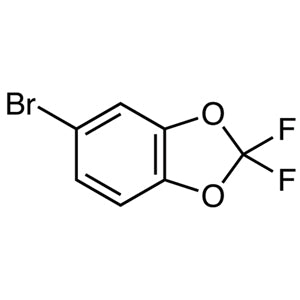
- TCI B3781 33070-32-5 5-Bromo-2,2-difluoro-1,3-benzodioxole
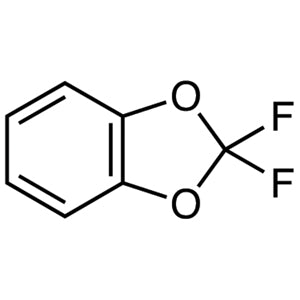
- TCI D4051 1583-59-1 2,2-Difluoro-1,3-benzodioxole
- TCI C2779 93107-30-3 1-Cyclopropyl-6,7-difluoro-1,4-dihydro-4-oxoquinoline-3-carboxylic Acid
- TCI O0404 82419-35-0 9,10-Difluoro-2,3-dihydro-3-methyl-7-oxo-7H-pyrido[1,2,3-de]-1,4-benzoxazine-6-carboxylic Acid
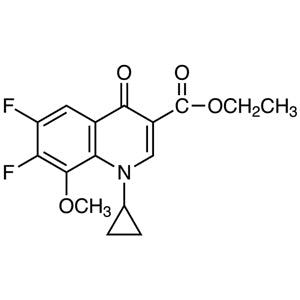
- TCI E1147 112811-71-9 Ethyl 1-Cyclopropyl-6,7-difluoro-1,4-dihydro-8-methoxy-4-oxo-3-quinolinecarboxylate
- TCI D6278 1041143-98-9 3,6-Difluoro-9H-carbazole
- Organic synthesis applications benefit from this compound due to its fluorinated and amino groups, enabling the creation of complex molecules with tailored properties.
- Pharmaceutical research utilizes it as a building block for drug development, where its structural features can be modified to enhance therapeutic effects.
- Materials science studies incorporate it to design new organofluorine compounds with unique physical and chemical properties.
- Structural analysis experiments rely on its distinct molecular framework to investigate reaction mechanisms and molecular behavior.
- Academic research in chemistry and pharmacology uses it as a versatile reagent for exploring synthetic pathways and molecular transformations.
| Brand | TCI |
|---|---|
| CAS number | 1544-85-0 |
| Molecular formula | — |
| Purity | — |
| Category | Chemistry > Building Blocks > Fluorinated Building Blocks |
| Pack sizes | Available in various quantities as per supplier specifications |
| Physical form | Solid, crystalline powder |
| Storage | Requires storage in a dry, cool, and light-protected environment |
This compound should be stored in a dry, cool, and light-protected environment to maintain its chemical stability. It is recommended to use airtight containers made of glass or high-density polyethylene to prevent moisture absorption and light exposure. Due to its sensitivity to humidity and light, it should be handled in a controlled laboratory setting with appropriate safety measures. Always ensure that the container is sealed properly when not in use. Proper labeling and storage conditions are essential to preserve its integrity and ensure safe handling in laboratory environments.
—
Product Categories
Produk Terkait
-
5-Bromo-2,2-difluoro-1,3-benzodioxole TCI B3781
Regular price From Rp 2.013.900,00Regular priceRp 1.423.800,00Sale price From Rp 2.013.900,00 -
2,2-Difluoro-1,3-benzodioxole TCI D4051
Regular price From Rp 557.550,00Regular priceRp 405.300,00Sale price From Rp 557.550,00 -
1-Cyclopropyl-6,7-difluoro-1,4-dihydro-4-oxoquinoline-3-carboxylicAcid TCI C2779
Regular price Rp 1.087.800,00Regular priceRp 775.950,00Sale price Rp 1.087.800,00 -
9,10-Difluoro-2,3-dihydro-3-methyl-7-oxo-7H-pyrido[1,2,3-de]-1,4-benzoxazine-6-carboxylicAcid TCI O0404
Regular price From Rp 2.597.700,00Regular priceRp 1.832.250,00Sale price From Rp 2.597.700,00 -
Ethyl1-Cyclopropyl-6,7-difluoro-1,4-dihydro-8-methoxy-4-oxo-3-quinolinecarboxylate TCI E1147
Regular price From Rp 557.550,00Regular priceRp 405.300,00Sale price From Rp 557.550,00 -
3,6-Difluoro-9H-carbazole TCI D6278
Regular price From Rp 2.782.500,00Regular priceRp 1.961.400,00Sale price From Rp 2.782.500,00 -
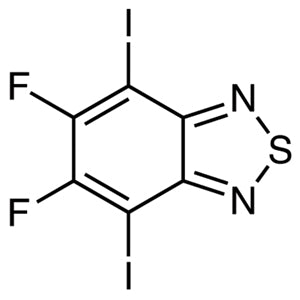
5,6-Difluoro-4,7-diiodo-2,1,3-benzothiadiazole TCI D5547
Regular price Rp 6.573.000,00Regular priceRp 4.611.600,00Sale price Rp 6.573.000,00 -
5,6-Difluoro-2,1,3-benzothiadiazole TCI D5246
Regular price Rp 8.187.900,00Regular priceRp 5.741.400,00Sale price Rp 8.187.900,00