Biphenyl-3,3',5,5'-tetracarboxylic Acid (BCA), with the CAS number 4371-28-2, is a versatile chemical compound widely used in organic chemistry for the synthesis of complex molecules. As a building block in chemical reactions, BCA serves as a fundamental component in the development of heteroaromatic structures and polymers. Its unique molecular structure, featuring four carboxyl groups symmetrically positioned, makes it highly reactive and adaptable in various synthetic pathways. This compound is a key player in laboratory settings where precision and control over chemical reactions are essential.
The structural characteristics of BCA, including its symmetrical arrangement of functional groups, contribute to its high reactivity and compatibility with a wide range of chemical transformations. Its stability under controlled conditions allows for predictable outcomes in synthetic processes, making it a preferred choice for researchers. The compound's ability to undergo esterification, amidation, and substitution reactions further enhances its utility in the synthesis of advanced organic compounds. These properties make BCA an essential tool for scientists working on complex molecular designs.
In Indonesian laboratories, BCA is frequently used in organic chemistry research, especially in the study of heteroaromatic structures and their properties. It plays a crucial role in the development of new materials, such as polymers and pharmaceuticals, where precise molecular structures are required. Its application extends to various research projects aimed at creating innovative chemical compounds with specific functional properties.
TCI brochures (PDF)
- Organic Linker Molecules for Metal Organic Frameworks (MOFs) 2026-05-11 · p. 4
Related TCI products
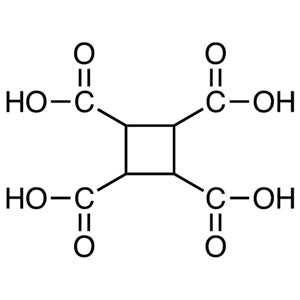
- TCI C2502 53159-92-5 1,2,3,4-Cyclobutanetetracarboxylic Acid
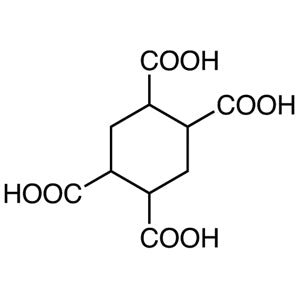
- TCI C2198 15383-49-0 1,2,4,5-Cyclohexanetetracarboxylic Acid
- TCI C0856 3724-52-5 1,2,3,4-Cyclopentanetetracarboxylic Acid
- TCI B5795 677010-20-7 [1,1'-Biphenyl]-3,4',5-tricarboxylic Acid
- TCI B6179 22803-05-0 [1,1'-Biphenyl]-3,3',4,4'-tetracarboxylic Acid
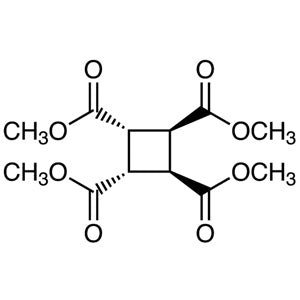
- TCI T2769 1032-95-7 Tetramethyl cis,trans,cis-1,2,3,4-Cyclobutanetetracarboxylate
- Organic synthesis of heteroaromatic compounds due to its symmetrical carboxyl groups and reactivity.
- Development of new polymers where precise molecular structures are essential for desired material properties.
- Research into pharmaceutical compounds requiring specific functional group arrangements for drug efficacy.
- Study of molecular structures and their impact on chemical reactivity and stability in organic chemistry.
- Creation of advanced materials with tailored properties for industrial and scientific applications.
| Brand | TCI |
|---|---|
| CAS number | 4371-28-2 |
| Molecular formula | — |
| Purity | — |
| Category | Chemistry > Building Blocks > Non-Heterocyclic Building Blocks |
| Pack sizes | 25 g, 100 g, 500 g |
| Physical form | Powder |
| Storage | Store in a cool, dry place away from moisture and direct sunlight. |
Biphenyl-3,3',5,5'-tetracarboxylic Acid should be stored in a cool, dry environment to maintain its chemical integrity. It is recommended to keep the compound in a sealed container to prevent exposure to moisture and air, which can affect its stability. Due to its potential reactivity, it should be handled in a well-ventilated area, with appropriate personal protective equipment such as gloves and safety goggles. Avoid contact with skin and eyes, and ensure proper disposal of any unused material. Regular monitoring of storage conditions is essential to ensure the compound remains suitable for use in laboratory applications.
—
Product Categories
- Organic-Inorganic Hybrid MaterialsMetal Organic Frameworks (MOF) and Their Raw MaterialsOrganic Linker Molecules [Metal Organic Frameworks (MOFs) Precursors]
- Polymer/Macromolecule ReagentsMetal Organic Frameworks (MOF) and Their Raw MaterialsOrganic Linker Molecules [Metal Organic Frameworks (MOFs) Precursors]
Produk Terkait
-
1,2,3,4-CyclobutanetetracarboxylicAcid TCI C2502
Regular price Rp 2.174.550,00Regular priceRp 1.520.400,00Sale price Rp 2.174.550,00 -
1,2,4,5-CyclohexanetetracarboxylicAcid TCI C2198
Regular price From Rp 1.140.300,00Regular priceRp 796.950,00Sale price From Rp 1.140.300,00 -
1,2,3,4-CyclopentanetetracarboxylicAcid TCI C0856
Regular price Rp 1.167.600,00Regular priceRp 815.850,00Sale price Rp 1.167.600,00 -
[1,1'-Biphenyl]-3,4',5-tricarboxylicAcid TCI B5795
Regular price Rp 6.281.100,00Regular priceRp 4.392.150,00Sale price Rp 6.281.100,00 -
[1,1'-Biphenyl]-3,3',4,4'-tetracarboxylicAcid TCI B6179
Regular price Rp 4.479.300,00Regular priceRp 3.132.150,00Sale price Rp 4.479.300,00 -
Tetramethylcis,trans,cis-1,2,3,4-Cyclobutanetetracarboxylate TCI T2769
Regular price Rp 4.479.300,00Regular priceRp 3.132.150,00Sale price Rp 4.479.300,00 -
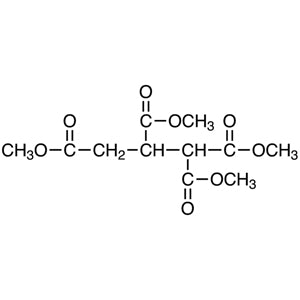
Tetramethyl1,1,2,3-Propanetetracarboxylate TCI T2594
Regular price Rp 3.843.000,00Regular priceRp 2.702.700,00Sale price Rp 3.843.000,00 -
meso-Butane-1,2,3,4-tetracarboxylicAcid TCI B0684
Regular price From Rp 769.650,00Regular priceRp 553.350,00Sale price From Rp 769.650,00