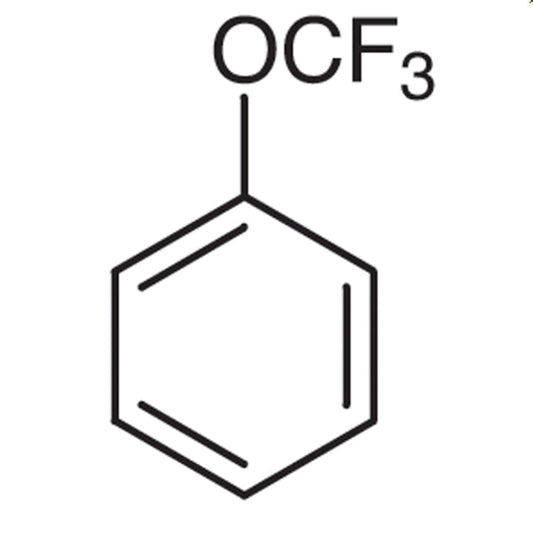
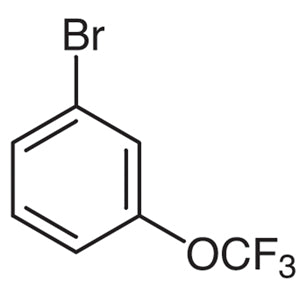
1-Bromo-3-fluoro-4-(trifluoromethoxy)benzene is a fluorinated aromatic compound widely used in organic synthesis within laboratory settings. Its unique molecular structure, containing bromine, fluorine, and a trifluoromethoxy group, makes it a versatile building block for the development of new chemical compounds. This compound plays a critical role in the synthesis of various aromatic derivatives, particularly in pharmaceutical and materials science research. Due to its chemical stability and reactivity, it is frequently employed in substitution and electrophilic reactions, enabling the creation of complex molecular structures with tailored properties.
The compound's fluorinated groups and bromine atom contribute to its distinct electronic properties, making it a preferred choice for chemists seeking to modify aromatic compounds. Its high purity and consistent availability ensure reliable results in experimental processes. The combination of its reactivity and stability allows it to be used in a wide range of synthetic applications, supporting both fundamental and applied research. These characteristics make it an essential component in the toolkit of organic chemists working in academic and industrial laboratories.
In Indonesian laboratories, this compound is commonly used for the development of new pharmaceutical compounds and advanced materials. It is a key reagent in research projects aimed at creating novel drugs and functional materials. Many research institutions and universities in Indonesia rely on this compound for their synthetic chemistry work, particularly in the fields of medicinal chemistry and polymer science. Its role in these contexts underscores its importance in the scientific community.
TCI brochures (PDF)
- Fluorination Reagents, Fluorinated Building Blocks 2026-03-18 · p. 21
Related TCI products
- TCI T2155 713-65-5 1-Nitro-4-(trifluoromethoxy)benzene
- TCI T2153 103962-05-6 1-Iodo-4-(trifluoromethoxy)benzene
- TCI T2152 175278-00-9 1-Iodo-2-(trifluoromethoxy)benzene
- TCI T2149 461-81-4 1-Chloro-4-(trifluoromethoxy)benzene
- TCI T2147 64115-88-4 1-Bromo-2-(trifluoromethoxy)benzene
- TCI T1617 456-55-3 (Trifluoromethoxy)benzene
- Organic synthesis is a primary application where this compound serves as a versatile building block for creating complex aromatic derivatives.
- Pharmaceutical research benefits from its use in the development of new drug molecules, particularly those requiring fluorinated and brominated functionalities.
- Materials science applications leverage its unique electronic properties for the synthesis of advanced polymers and functional materials.
- Analytical chemistry utilizes it as a standard reference compound for spectroscopic and chromatographic analysis.
- Environmental studies may employ it in the investigation of fluorinated compounds and their behavior in various chemical environments.
| Brand | TCI |
|---|---|
| CAS number | 105529-58-6 |
| Molecular formula | — |
| Purity | — |
| Category | Chemistry > Building Blocks > Fluorinated Building Blocks |
| Pack sizes | Available in various quantities as per supplier specifications |
| Physical form | Solid or liquid, depending on the specific product formulation |
| Storage | Store in a cool, dry place away from light and incompatible materials |
This compound should be stored in a cool, dry environment, away from direct sunlight and sources of heat. It is recommended to use airtight containers made of materials that are chemically inert, such as glass or high-density polyethylene, to prevent contamination and degradation. Due to its fluorinated and brominated nature, it is important to handle it with appropriate personal protective equipment, including gloves and safety goggles, to ensure laboratory safety. Proper ventilation should be maintained when handling the compound to minimize exposure. It is also advisable to keep it away from incompatible substances such as strong oxidizers or reactive metals to prevent potential chemical reactions.
—
Produk Terkait
-
1-Nitro-4-(trifluoromethoxy)benzene TCI T2155
Regular price From Rp 769.650,00Regular priceRp 537.600,00Sale price From Rp 769.650,00 -
1-Iodo-4-(trifluoromethoxy)benzene TCI T2153
Regular price From Rp 1.167.600,00Regular priceRp 815.850,00Sale price From Rp 1.167.600,00 -
1-Iodo-2-(trifluoromethoxy)benzene TCI T2152
Regular price Rp 1.405.950,00Regular priceRp 982.800,00Sale price Rp 1.405.950,00 -
1-Chloro-4-(trifluoromethoxy)benzene TCI T2149
Regular price Rp 848.400,00Regular priceRp 593.250,00Sale price Rp 848.400,00 -
1-Bromo-2-(trifluoromethoxy)benzene TCI T2147
Regular price From Rp 637.350,00Regular priceRp 445.200,00Sale price From Rp 637.350,00 -
(Trifluoromethoxy)benzene TCI T1617
Regular price Rp 1.220.100,00Regular priceRp 852.600,00Sale price Rp 1.220.100,00 -
5-Bromo-1,3-difluoro-2-(trifluoromethoxy)benzene TCI B5057
Regular price From Rp 1.087.800,00Regular priceRp 760.200,00Sale price From Rp 1.087.800,00 -
1-Bromo-3-(trifluoromethoxy)benzene TCI B2007
Regular price From Rp 903.000,00Regular priceRp 631.050,00Sale price From Rp 903.000,00