O-tert-Butyl-L-serine is a chemical compound widely used in laboratory settings, particularly in organic and biochemical research. As a derivative of L-serine, it plays a crucial role in peptide synthesis and molecular modification processes. This compound is valued for its ability to participate in specific chemical reactions that are essential for the development of bioactive compounds. Its structural characteristics make it a versatile reagent in the creation of complex molecules with pharmaceutical or biological applications.
The chemical properties of O-tert-Butyl-L-serine make it a preferred choice for researchers. It exhibits stability under various reaction conditions, which ensures consistent results in synthetic processes. The tert-butyl group enhances the compound's resistance to degradation, allowing it to maintain its integrity during chemical transformations. Additionally, its solubility in organic solvents facilitates efficient purification and separation techniques commonly used in laboratory procedures. These properties contribute to its reliability and effectiveness in a wide range of experimental applications.
In Indonesian laboratories, O-tert-Butyl-L-serine is commonly utilized in research focused on peptide synthesis, molecular modification, and the development of new compounds. Its availability and chemical properties make it a go-to material for scientists working on bioactive molecule creation. The compound is integral to studies aimed at understanding biochemical pathways and designing novel therapeutic agents. Its role in these contexts underscores its importance in both academic and industrial research environments.
TCI brochures (PDF)
- Amino Acids and Peptide Synthesis Reagents 2025-08-14 · p. 30
Related TCI products
- TCI B0861 4726-96-9 O-Benzyl-L-serine
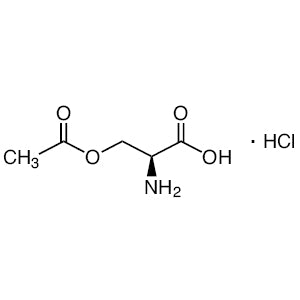
- TCI A0834 66638-22-0 O-Acetyl-L-serine Hydrochloride
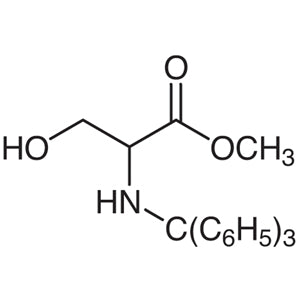
- TCI T2870 4465-44-5 N-(Triphenylmethyl)-L-serine Methyl Ester
- TCI T2500 13515-76-9 N-(Triphenylmethyl)-DL-serine Methyl Ester
- TCI B4913 51537-21-4 O-tert-Butyl-L-serine tert-Butyl Ester Hydrochloride
- TCI B3168 71989-33-8 O-tert-Butyl-N-[(9H-fluoren-9-ylmethoxy)carbonyl]-L-serine
- Peptide Synthesis: O-tert-Butyl-L-serine is ideal for peptide synthesis due to its structural compatibility with amino acid derivatives and its stability in reaction conditions.
- Molecular Modification: The compound is used in molecular modification processes to introduce functional groups, enabling the creation of more complex and bioactive molecules.
- Bioactive Compound Development: Its chemical properties make it a valuable reagent in the development of bioactive compounds, supporting pharmaceutical and biotechnological research.
- Organic Chemistry Research: The compound is frequently employed in organic chemistry experiments where controlled chemical reactions and stable intermediates are required.
- Structural Analysis Studies: Its predictable behavior in various solvents and reaction conditions makes it suitable for structural analysis and characterization studies.
| Brand | TCI |
|---|---|
| CAS number | 18822-58-7 |
| Molecular formula | — |
| Purity | — |
| Category | Chemistry > Chemical Biology > Peptide Chemistry |
| Pack sizes | Available in various quantities as per standard laboratory supply |
| Physical form | Solid |
| Storage | Store in a cool, dry place away from direct sunlight |
O-tert-Butyl-L-serine should be stored in a cool, dry environment to maintain its chemical stability. It is recommended to keep the compound in a sealed container to prevent moisture absorption and contamination. Suitable storage containers include glass or high-density polyethylene vessels that are resistant to chemical interactions. Avoid exposure to heat and direct light, as these can affect the compound’s integrity. In a laboratory setting, it is important to handle the material with appropriate personal protective equipment, such as gloves and safety goggles, to ensure safe handling. Proper storage and handling practices help preserve the compound’s effectiveness and ensure its safe use in research applications.
—
Product Categories
Produk Terkait
-
O-Benzyl-L-serine TCI B0861
Regular price From Rp 795.900,00Regular priceRp 572.250,00Sale price From Rp 795.900,00 -
O-Acetyl-L-serineHydrochloride TCI A0834
Regular price Rp 610.050,00Regular priceRp 442.050,00Sale price Rp 610.050,00 -
N-(Triphenylmethyl)-L-serineMethylEster TCI T2870
Regular price From Rp 1.431.150,00Regular priceRp 1.016.400,00Sale price From Rp 1.431.150,00 -
N-(Triphenylmethyl)-DL-serineMethylEster TCI T2500
Regular price From Rp 2.650.200,00Regular priceRp 1.869.000,00Sale price From Rp 2.650.200,00 -
O-tert-Butyl-L-serinetert-ButylEsterHydrochloride TCI B4913
Regular price From Rp 1.192.800,00Regular priceRp 849.450,00Sale price From Rp 1.192.800,00 -
O-tert-Butyl-N-[(9H-fluoren-9-ylmethoxy)carbonyl]-L-serine TCI B3168
Regular price From Rp 1.405.950,00Regular priceRp 998.550,00Sale price From Rp 1.405.950,00 -
O-Benzyl-N-(tert-butoxycarbonyl)-D-serine TCI B1863
Regular price From Rp 582.750,00Regular priceRp 423.150,00Sale price From Rp 582.750,00 -
O-tert-Butyl-L-serineMethylEsterHydrochloride TCI B1736
Regular price From Rp 2.782.500,00Regular priceRp 1.961.400,00Sale price From Rp 2.782.500,00