7-Bromoisatin is a chemical compound belonging to the heterocyclic category, characterized by its core isatin structure with a bromo substituent at the 7-position. This compound plays a crucial role in laboratory settings as a building block for the synthesis of complex molecules, particularly in organic and pharmaceutical research. Its reactivity and versatility make it a valuable resource for chemists aiming to develop new compounds with specific biological activities. Due to its structural features, 7-Bromoisatin is widely used in the creation of bioactive substances, including potential drug candidates and chemical intermediates.
The compound’s reactivity stems from its heterocyclic framework, which allows it to participate in various chemical reactions such as nucleophilic, electrophilic, and substitution mechanisms. Its ability to undergo multiple reaction pathways makes it highly sought after in synthetic chemistry. Additionally, its stability under controlled conditions ensures that it remains a reliable reagent for laboratory applications. These properties contribute to its popularity among researchers working on advanced chemical synthesis projects.
In Indonesian laboratories, 7-Bromoisatin is commonly used in pharmaceutical and organic chemistry research. It is a key component in the development of new drugs and chemical compounds, supporting both academic and industrial research initiatives. Its presence in laboratory workflows highlights its importance in advancing scientific discovery and innovation in the region.
- Organic synthesis: 7-Bromoisatin is widely used in organic synthesis due to its reactivity and ability to participate in various chemical reactions, making it ideal for creating complex molecular structures.
- Pharmaceutical research: The compound is frequently employed in pharmaceutical research to develop new drugs with specific biological activities, supporting the creation of bioactive compounds.
- Heterocyclic chemistry: Its heterocyclic structure makes it a preferred choice for studies involving heterocyclic compounds, enabling the exploration of diverse chemical transformations.
- Chemical intermediates: 7-Bromoisatin serves as a valuable intermediate in the synthesis of various chemical compounds, offering versatility in synthetic pathways.
- Bioactive compound development: The compound is used in the development of bioactive substances, contributing to the advancement of pharmaceutical and medicinal research.
| Brand | TCI |
|---|---|
| CAS number | 20780-74-9 |
| Molecular formula | — |
| Purity | — |
| Category | Chemistry > Building Blocks > Heterocyclic Building Blocks |
| Pack sizes | Available in standard laboratory quantities |
| Physical form | Solid |
| Storage | Store in a cool, dry place away from light and moisture |
7-Bromoisatin should be stored in a cool, dry place, away from direct light and moisture to maintain its chemical integrity. It is recommended to use airtight containers to prevent exposure to air and humidity, which may affect its stability. Due to its reactivity, it should be handled with care, using appropriate personal protective equipment such as gloves and safety goggles. Avoid contact with strong acids, bases, or high temperatures, as these conditions can alter its chemical properties. Proper labeling and storage in a designated chemical cabinet are essential for safe laboratory practices. Always follow standard safety protocols when working with reactive chemicals to ensure a secure and efficient research environment.
—
Produk Terkait
-
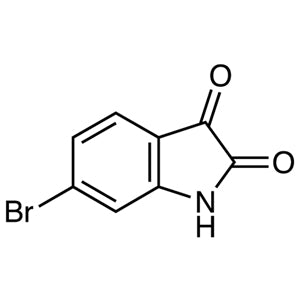
6-Bromoisatin TCI B2424
Regular price From Rp 1.563.450,00Regular priceRp 1.108.800,00Sale price From Rp 1.563.450,00 -
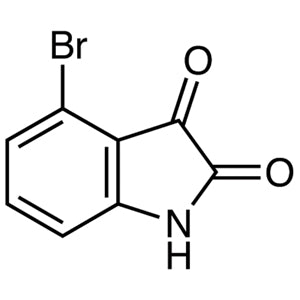
4-Bromoisatin TCI B2423
Regular price From Rp 1.008.000,00Regular priceRp 720.300,00Sale price From Rp 1.008.000,00 -
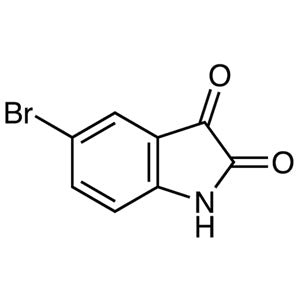
5-Bromoisatin TCI B1566
Regular price Rp 2.439.150,00Regular priceRp 1.720.950,00Sale price Rp 2.439.150,00 -
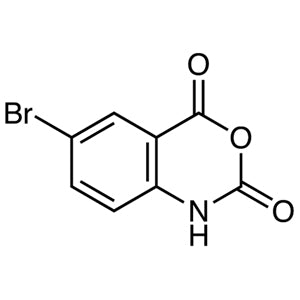
5-BromoisatoicAnhydride TCI B3659
Regular price Rp 3.180.450,00Regular priceRp 2.239.650,00Sale price Rp 3.180.450,00