N,N-Bis(2-chloroethyl)-p-toluenesulfonamide is a chemical compound widely used in pharmaceutical research and development. As a key reagent, it plays a crucial role in the synthesis of pharmacologically active compounds, supporting the creation of new drug molecules. This compound is particularly valuable in the field of medicinal chemistry, where it is employed to design and modify molecular structures for enhanced therapeutic effects. Its versatility makes it a fundamental tool in both academic and industrial laboratory settings, especially in the pursuit of innovative drug discovery.
The compound's chemical properties, including its reactivity and stability under controlled conditions, make it a preferred choice for researchers. It is capable of undergoing various chemical reactions, such as substitution and addition reactions, which are essential in the development of complex molecular structures. Its sensitivity to moisture and air necessitates careful handling, but this reactivity also allows for precise control in synthetic processes. These characteristics make it an ideal candidate for applications requiring the formation of new chemical bonds or structural modifications.
In Indonesian laboratories, N,N-Bis(2-chloroethyl)-p-toluenesulfonamide is commonly used in pharmaceutical and organic chemistry research. It is an essential component in the development of new drugs, supporting studies on molecular design and structural modification. Its presence in research projects highlights its importance in advancing scientific knowledge and innovation in the field of medicinal chemistry.
Related TCI products
- TCI C2433 63234-80-0 3-(2-Chloroethyl)-6,7,8,9-tetrahydro-2-methyl-4H-pyrido[1,2-a]pyrimidin-4-one
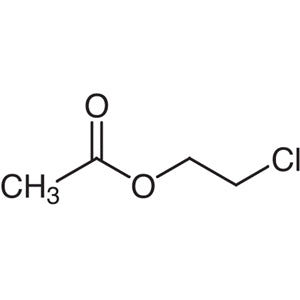
- TCI A0027 542-58-5 2-Chloroethyl Acetate
- TCI T3447 115-96-8 Tris(2-chloroethyl) Phosphate
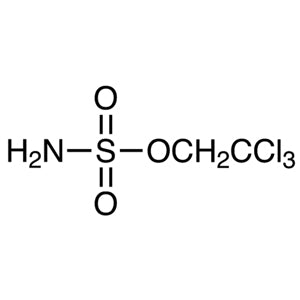
- TCI T2646 69226-51-3 2,2,2-Trichloroethyl Sulfamate
- TCI B2712 17229-17-3 Benzyl 2-Chloroethyl Ether
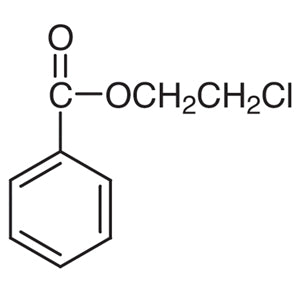
- TCI B0068 939-55-9 2-Chloroethyl Benzoate
- Pharmaceutical Development: This compound is ideal for creating new drug molecules due to its reactivity and structural versatility.
- Drug Discovery Research: It supports the synthesis of pharmacologically active compounds, aiding in the identification of potential therapeutic agents.
- Organic Chemistry Studies: Its ability to undergo various chemical reactions makes it valuable in the synthesis of complex organic molecules.
- Molecular Design and Modification: It is used to alter molecular structures, enhancing the properties of drug candidates for improved efficacy.
- Research and Experimental Use: It is a fundamental reagent in laboratories focused on experimental research and innovation in medicinal chemistry.
| Brand | TCI |
|---|---|
| CAS number | 42137-88-2 |
| Molecular formula | — |
| Purity | — |
| Category | Chemistry > Pharmaceutical Development and Drug Discovery Research Reagents > Building Blocks for Pharmaceutical Ingredients |
| Pack sizes | — |
| Physical form | — |
| Storage | Requires protection from moisture and air exposure |
This compound should be stored in a cool, dry place away from moisture and air exposure to maintain its chemical integrity. It is recommended to use airtight containers to prevent degradation due to its sensitivity. Proper labeling and storage in a designated chemical storage area are essential to ensure safety. Laboratory personnel should handle it with care, using appropriate personal protective equipment. Regular monitoring of storage conditions is advised to maintain optimal stability and effectiveness for research applications.
—
Product Categories
Produk Terkait
-
3-(2-Chloroethyl)-6,7,8,9-tetrahydro-2-methyl-4H-pyrido[1,2-a]pyrimidin-4-one TCI C2433
Regular price From Rp 1.563.450,00Regular priceRp 1.108.800,00Sale price From Rp 1.563.450,00 -
2-ChloroethylAcetate TCI A0027
Regular price Rp 2.916.900,00Regular priceRp 2.039.100,00Sale price Rp 2.916.900,00 -
Tris(2-chloroethyl)Phosphate TCI T3447
Regular price From Rp 582.750,00Regular priceRp 423.150,00Sale price From Rp 582.750,00 -
2,2,2-TrichloroethylSulfamate TCI T2646
Regular price From Rp 980.700,00Regular priceRp 701.400,00Sale price From Rp 980.700,00 -
Benzyl2-ChloroethylEther TCI B2712
Regular price From Rp 1.298.850,00Regular priceRp 908.250,00Sale price From Rp 1.298.850,00 -
2-ChloroethylBenzoate TCI B0068
Regular price Rp 2.942.100,00Regular priceRp 2.072.700,00Sale price Rp 2.942.100,00 -
Tris(2-chloroethyl)Phosphite TCI P0277
Regular price Rp 4.320.750,00Regular priceRp 3.020.850,00Sale price Rp 4.320.750,00