2-Chloroethyl Benzoate is a chemical compound widely used in organic laboratory reactions. As an ester derived from benzoic acid and 2-chloroethanol, it plays a crucial role in the synthesis of complex organic molecules. This compound is commonly found in the category of non-heterocyclic building blocks, serving as a versatile reagent in various synthetic pathways. Its reactivity allows it to participate in substitution reactions, making it a valuable tool for researchers aiming to create new chemical entities.
The compound’s reactivity is enhanced by the presence of a chlorine atom in its alkyl chain, which increases its interaction potential with different reagents. It exhibits stability under specific conditions and can react with strong bases or alkali metals, making it suitable for a range of synthetic applications. Its relatively high boiling and melting points also aid in separation and isolation processes during laboratory procedures. These properties make it a preferred choice for chemists working on intricate molecular structures.
In Indonesian laboratories, 2-Chloroethyl Benzoate is extensively used in organic chemistry research, particularly in academic and research institutions. Its role in the synthesis of heterocyclic compounds and complex structures makes it an essential component in both teaching and advanced research settings. Its availability and reactivity ensure its continued use in various chemical processes within the scientific community.
Related TCI products
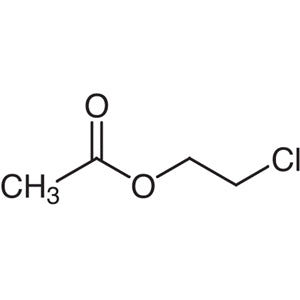
- TCI A0027 542-58-5 2-Chloroethyl Acetate
- TCI C4133 1888-94-4 2-Chloroethyl Methacrylate (stabilized with MEHQ)
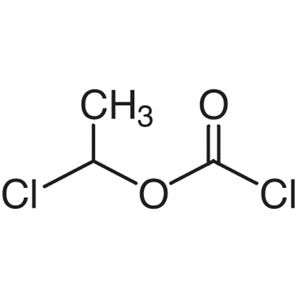
- TCI C1395 50893-53-3 1-Chloroethyl Chloroformate
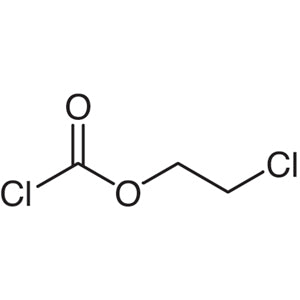
- TCI C1052 627-11-2 2-Chloroethyl Chloroformate
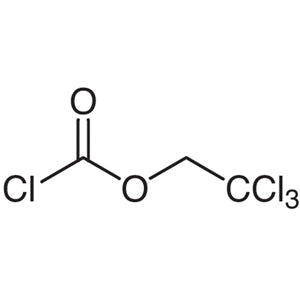
- TCI C0795 17341-93-4 2,2,2-Trichloroethyl Chloroformate
- TCI T1870 70424-94-1 Methyl 3,4,5-Tris(benzyloxy)benzoate
- Organic synthesis for creating complex molecular structures due to its reactivity and versatility in substitution reactions.
- Research in heterocyclic compound development as it facilitates the formation of ring structures through chemical modifications.
- Teaching laboratory experiments to demonstrate ester hydrolysis and substitution reactions in undergraduate chemistry courses.
- Isolation and purification processes because of its high boiling and melting points, aiding in distillation and crystallization techniques.
- Development of new pharmaceutical compounds through its ability to react with various reagents in synthetic pathways.
| Brand | TCI |
|---|---|
| CAS number | 939-55-9 |
| Molecular formula | — |
| Purity | — |
| Category | Chemistry > Building Blocks > Non-Heterocyclic Building Blocks |
| Pack sizes | Available in standard laboratory quantities as per supplier specifications |
| Physical form | Liquid |
| Storage | Store in a cool, dry place away from direct sunlight and incompatible materials |
This compound should be stored in a cool, dry place, away from direct sunlight and incompatible substances such as strong bases or oxidizing agents. It is recommended to use sealed containers made of materials that are chemically inert, such as glass or high-density polyethylene. Due to its reactivity, it should be handled with appropriate personal protective equipment, including gloves and safety goggles. In laboratory settings, it should be kept in a well-ventilated area to minimize exposure. Proper labeling and storage conditions ensure the safety and effectiveness of the compound during use.
—
Produk Terkait
-
2-ChloroethylAcetate TCI A0027
Regular price Rp 2.916.900,00Regular priceRp 2.039.100,00Sale price Rp 2.916.900,00 -
2-ChloroethylMethacrylate(stabilizedwithMEHQ) TCI C4133
Regular price Rp 1.431.150,00Regular priceRp 1.000.650,00Sale price Rp 1.431.150,00 -
1-ChloroethylChloroformate TCI C1395
Regular price From Rp 1.378.650,00Regular priceRp 979.650,00Sale price From Rp 1.378.650,00 -
2-ChloroethylChloroformate TCI C1052
Regular price From Rp 1.087.800,00Regular priceRp 775.950,00Sale price From Rp 1.087.800,00 -
2,2,2-TrichloroethylChloroformate TCI C0795
Regular price From Rp 1.801.800,00Regular priceRp 1.275.750,00Sale price From Rp 1.801.800,00 -
Methyl3,4,5-Tris(benzyloxy)benzoate TCI T1870
Regular price Rp 1.510.950,00Regular priceRp 1.072.050,00Sale price Rp 1.510.950,00 -
Methyl3-(Bromomethyl)benzoate TCI B2224
Regular price From Rp 1.908.900,00Regular priceRp 1.350.300,00Sale price From Rp 1.908.900,00 -
Methyl4-(Bromomethyl)benzoate TCI B2053
Regular price From Rp 1.405.950,00Regular priceRp 998.550,00Sale price From Rp 1.405.950,00