2-Chloroethyl Methacrylate (stabilized with MEHQ) is a chemical compound widely used as a building block in organic synthesis. It serves as a versatile intermediate in the development of various organic compounds, enabling polymerization and other chemical reactions. This material is essential in both academic and industrial research settings, where it contributes to the creation of polymers, additives, and other complex chemical structures. Its chemical structure provides the necessary reactivity to participate in a range of synthetic pathways, making it a fundamental component in chemical laboratories.
The compound’s stability is ensured through the addition of MEHQ (methyl ethyl hydroquinone), a stabilizer that prevents degradation due to oxidation. This property enhances its shelf life and ensures consistent performance during experiments. Its reactivity allows it to interact with a variety of other chemical substances, such as fillers, binders, and activators, making it a valuable tool for chemists. The stabilization provided by MEHQ also improves safety during storage and handling, reducing the risk of chemical degradation and ensuring reliable results in laboratory applications.
In Indonesian laboratories, 2-Chloroethyl Methacrylate is commonly used in organic chemistry research, particularly in the synthesis of polymers and functional additives. Due to its limited availability, it is often a preferred choice for researchers seeking a stable and reliable building block. Its widespread application in both research and industrial contexts highlights its importance as a key chemical in the laboratory environment.
- Organic synthesis is a primary application for this compound, as it serves as a versatile building block for creating complex molecules and polymers.
- Polymer production benefits from its ability to undergo polymerization reactions, making it ideal for developing various types of synthetic materials.
- Additive formulation is another key use, where it interacts with other chemicals to enhance the properties of final products.
- Research and development in chemical industries rely on its reactivity and stability for creating new compounds and improving existing ones.
- Industrial chemical manufacturing uses this material to produce a wide range of products, including coatings, adhesives, and specialty chemicals.
| Brand | TCI |
|---|---|
| CAS number | 1888-94-4 |
| Molecular formula | — |
| Purity | — |
| Category | Chemistry > Building Blocks > Non-Heterocyclic Building Blocks |
| Pack sizes | Available in various sizes as per supplier specifications |
| Physical form | Liquid |
| Storage | Store in a cool, dry place away from light and incompatible materials |
This compound should be stored in a cool, dry environment, away from direct sunlight and sources of heat. It is recommended to keep it in a sealed container to prevent exposure to air and moisture. Due to its chemical nature, it should be stored separately from strong oxidizing agents and incompatible substances to avoid potential reactions. Proper ventilation is essential when handling the material to minimize inhalation risks. Always use appropriate personal protective equipment, such as gloves and safety goggles, when working with this compound. Regular monitoring of storage conditions ensures the material remains stable and safe for use in laboratory settings.
—
Produk Terkait
-
Biphenyl-4,4'-diylBis(2-methylacrylate) TCI B5961
Regular price From Rp 2.094.750,00Regular price -
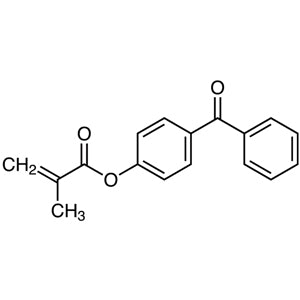
4-BenzoylphenylMethacrylate TCI B6151
Regular price From Rp 1.510.950,00Regular price -
BisphenolAEthoxylateDimethacrylate(m+n=approx.4)(stabilizedwithHQ) TCI B6286
Regular price From Rp 769.650,00Regular price -
2-[(2-Bromo-2-methylpropanoyl)oxy]ethylMethacrylate TCI B6384
Regular price From Rp 2.704.800,00Regular price -
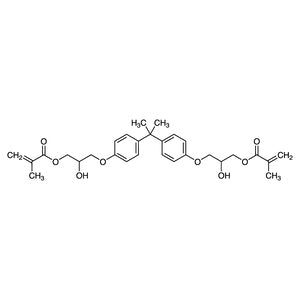
BisphenolAGlycerolateDimethacrylate(mixtureofisomers)(stabilizedwithMEHQ) TCI B6597
Regular price From Rp 980.700,00Regular price -
3-Chloro-2-hydroxypropylMethacrylate(stabilizedwithHQ) TCI C2105
Regular price From Rp 584.850,00Regular price -
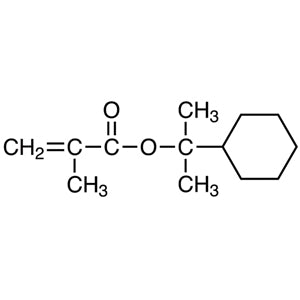
2-Cyclohexylpropan-2-ylMethacrylate(stabilizedwithPhenothiazine) TCI C3642
Regular price Rp 4.664.100,00Regular price -
DiethyleneGlycolDimethacrylate(stabilizedwithMEHQ) TCI D1530
Regular price From Rp 610.050,00Regular price


![2-[(2-Bromo-2-methylpropanoyl)oxy]ethyl Methacrylate (CAS 213453-08-8) - TCI B6384 - AMI Scientific](http://amiscientific.com/cdn/shop/files/TCI2510B6384.jpg?v=1768193678&width=533)