Phenyl Methacrylate (stabilized with BHT), with CAS number 2177-70-0, is a chemical compound widely used as a building block in organic synthesis. It serves as a versatile monomer in polymerization reactions, playing a key role in the development of various acrylate-based polymers. This compound is commonly utilized in both academic and industrial research settings due to its reactivity and stability under controlled laboratory conditions. Its presence in chemical reactions allows for the creation of complex organic molecules, making it an essential component in the field of materials science and organic chemistry.
The chemical properties of Phenyl Methacrylate make it a preferred choice for researchers. Its stability, combined with the addition of BHT (Butylated Hydroxytoluene), enhances its shelf life by preventing oxidation. This stabilization ensures that the compound maintains its chemical integrity over time, which is crucial for precise and reproducible experimental results. The reactivity of Phenyl Methacrylate allows it to participate in a variety of chemical transformations, making it adaptable to different synthetic strategies in the laboratory.
In Indonesian laboratories, Phenyl Methacrylate is extensively used in chemical research, material development, and organic reactivity studies. It is a common reagent in academic and industrial settings, particularly in higher education institutions and research centers. Its application spans across various disciplines, including polymer science, pharmaceutical development, and advanced material synthesis, supporting innovation and scientific discovery in the region.
TCI brochures (PDF)
- Monomers 2025-05-28 · p. 7
Related TCI products
- TCI B5371 2998-18-7 sec-Butyl Methacrylate (stabilized with MEHQ)
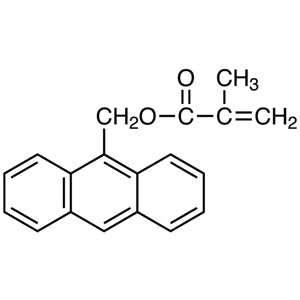
- TCI A2645 31645-35-9 9-Anthrylmethyl Methacrylate
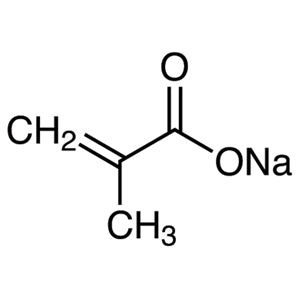
- TCI S0987 5536-61-8 Sodium Methacrylate (stabilized with MEHQ)
- TCI P2714 3683-12-3 2-Phenylethyl Methacrylate (stabilized with HQ)
- TCI M3228 178889-45-7 1-Methylcyclopentyl Methacrylate (stabilized with MEHQ)
- TCI M1526 16887-36-8 1-Adamantyl Methacrylate (stabilized with MEHQ)
- Organic synthesis applications benefit from Phenyl Methacrylate's reactivity and stability, enabling the creation of complex molecular structures.
- Polymer research utilizes this compound as a monomer for producing acrylate-based polymers, which have wide-ranging industrial applications.
- Material development projects leverage its chemical properties to design new materials with specific functional characteristics.
- Pharmaceutical research incorporates it in the synthesis of organic compounds that may lead to new drug formulations.
- Academic laboratories use it as a standard reagent for teaching and research in organic chemistry and polymer science.
| Brand | TCI |
|---|---|
| CAS number | 2177-70-0 |
| Molecular formula | — |
| Purity | — |
| Category | Chemistry > Building Blocks > Non-Heterocyclic Building Blocks |
| Pack sizes | Available in various quantities as per supplier specifications |
| Physical form | Liquid |
| Storage | Store in a cool, dark place away from heat and direct sunlight |
Phenyl Methacrylate should be stored in a cool, dark environment to maintain its chemical stability and prevent degradation. It is recommended to use sealed, airtight containers to minimize exposure to air and moisture. Due to its potential reactivity, it should be handled in a well-ventilated laboratory setting, with appropriate personal protective equipment such as gloves and safety goggles. Avoid contact with incompatible materials, and ensure that storage areas are free from sources of heat and ignition. Regular monitoring of storage conditions is essential to ensure the compound remains safe and effective for use in laboratory applications.
—
Produk Terkait
-
sec-ButylMethacrylate(stabilizedwithMEHQ) TCI B5371
Regular price From Rp 2.730.000,00Regular price -
9-AnthrylmethylMethacrylate TCI A2645
Regular price Rp 4.771.200,00Regular price -
SodiumMethacrylate(stabilizedwithMEHQ) TCI S0987
Regular price From Rp 1.644.300,00Regular price -
2-PhenylethylMethacrylate(stabilizedwithHQ) TCI P2714
Regular price From Rp 1.298.850,00Regular price -
1-MethylcyclopentylMethacrylate(stabilizedwithMEHQ) TCI M3228
Regular price Rp 1.378.650,00Regular price -
1-AdamantylMethacrylate(stabilizedwithMEHQ) TCI M1526
Regular price From Rp 2.757.300,00Regular price -
CyclohexylMethacrylate(stabilizedwithMEHQ) TCI M0594
Regular price From Rp 452.550,00Regular price -
StearylMethacrylate(stabilizedwithMEHQ) TCI M0593
Regular price From Rp 557.550,00Regular price