1-(4-Bromophenyl)imidazole is a chemical compound widely used in scientific experiments, particularly in organic chemistry and materials science. This compound plays a crucial role in the synthesis of new materials and functional metal complexes due to its unique molecular structure. Its ability to form specific chemical reactions with various substrates makes it a versatile tool for researchers aiming to develop advanced materials and compounds. In laboratory settings, it is often employed as a ligand in the formation of metal complexes, which are essential in catalytic processes and analytical chemistry.
The compound’s chemical properties make it a preferred choice for researchers. It exhibits stability under certain conditions but is highly reactive to high temperatures and oxidative agents. Its specific molecular structure allows it to bind effectively with transition metals, enabling the creation of complexes with unique properties. This reactivity and specificity make it a valuable component in the development of new chemical structures and materials. The availability in solid form and ease of processing further enhance its practicality for use in laboratory environments.
In Indonesian laboratories, 1-(4-Bromophenyl)imidazole is commonly used in research conducted by universities and research institutions. Local researchers frequently utilize this compound for experiments related to organic synthesis and material development. Its application in these settings supports the advancement of scientific knowledge and innovation in the field of chemistry and materials science.
TCI brochures (PDF)
- Ligands 2025-12-01 · p. 11
Related TCI products
- TCI T2982 25371-96-4 1-[2-(Trifluoromethyl)phenyl]imidazole
- TCI C2045 25372-03-6 1-(4-Cyanophenyl)imidazole
- TCI B5308 50907-23-8 5-(4-Bromophenyl)-1H-tetrazole
- TCI B2812 2622-74-4 2-(4-Bromophenyl)benzimidazole
- TCI B2577 73096-42-1 5-(2-Bromophenyl)-1H-tetrazole
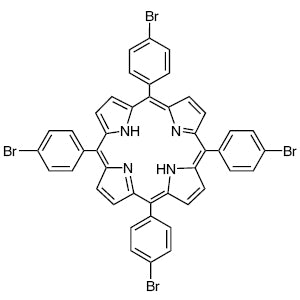
- TCI T3467 29162-73-0 5,10,15,20-Tetrakis(4-bromophenyl)porphyrin
- Organic synthesis experiments benefit from this compound due to its reactivity and ability to form stable intermediates.
- Metal complex formation is enhanced by its capacity to bind with transition metals, making it ideal for catalytic studies.
- Analytical chemistry applications rely on its chemical stability and reactivity for detecting and analyzing metal ions.
- Material development projects use it as a building block for creating new functional materials with unique properties.
- Research on ligand behavior in coordination chemistry is supported by its specific molecular structure and binding capabilities.
| Brand | TCI |
|---|---|
| CAS number | 10040-96-7 |
| Molecular formula | — |
| Purity | — |
| Category | Materials Science > Material Building Blocks > Ligands for Functional Metal Complexes |
| Pack sizes | Available in various quantities as per standard laboratory supply |
| Physical form | Solid |
| Storage | Store in a cool, dry place away from light and moisture |
This compound should be stored in a cool, dry place, away from light and moisture to maintain its chemical stability. It is recommended to use airtight containers to prevent exposure to air and moisture, which can affect its reactivity. Due to its high reactivity under certain conditions, it should be handled with care, using appropriate personal protective equipment such as gloves and safety goggles. It is important to ensure that storage areas are well-ventilated to minimize the risk of inhalation of any vapors. Avoid contact with strong oxidizing agents or high temperatures to prevent unwanted chemical reactions. Proper labeling and storage practices help ensure the safety of laboratory personnel and the integrity of the compound.
—
Produk Terkait
-
1-[2-(Trifluoromethyl)phenyl]imidazole TCI T2982
Regular price From Rp 1.140.300,00Regular priceRp 812.700,00Sale price From Rp 1.140.300,00 -
1-(4-Cyanophenyl)imidazole TCI C2045
Regular price Rp 4.373.250,00Regular priceRp 3.073.350,00Sale price Rp 4.373.250,00 -
5-(4-Bromophenyl)-1H-tetrazole TCI B5308
Regular price From Rp 2.464.350,00Regular priceRp 1.738.800,00Sale price From Rp 2.464.350,00 -
2-(4-Bromophenyl)benzimidazole TCI B2812
Regular price From Rp 2.013.900,00Regular priceRp 1.423.800,00Sale price From Rp 2.013.900,00 -
5-(2-Bromophenyl)-1H-tetrazole TCI B2577
Regular price From Rp 1.881.600,00Regular priceRp 1.331.400,00Sale price From Rp 1.881.600,00 -
5,10,15,20-Tetrakis(4-bromophenyl)porphyrin TCI T3467
Regular price Rp 6.122.550,00Regular priceRp 4.296.600,00Sale price Rp 6.122.550,00 -
Imidazole-2-carboxaldehyde TCI I0809
Regular price From Rp 822.150,00Regular priceRp 590.100,00Sale price From Rp 822.150,00 -
4-Iodo-1H-imidazole TCI I0812
Regular price From Rp 1.220.100,00Regular priceRp 868.350,00Sale price From Rp 1.220.100,00