O-tert-Butyl-N,N'-diisopropylisourea is a synthetic reagent widely used in laboratory settings for its role in organic synthesis. This compound is particularly valuable in reactions involving the formation of C-X (non-halogen) bonds, making it an essential tool in the field of synthetic chemistry. Its unique structure allows it to participate in various types of chemical reactions, including substitution and catalytic processes. As a reagent, it is often employed to facilitate the formation of specific molecular structures, contributing to the development of new chemical compounds.
The compound is known for its chemical stability under controlled conditions, which makes it a preferred choice for many synthetic applications. Despite its stability, it is highly reactive and sensitive to moisture and air exposure, requiring careful handling. Its reactivity is a key factor in its effectiveness for complex chemical transformations. Due to its ability to maintain chemical integrity during reactions, it is often used in processes where stability and reactivity are critical.
In Indonesian laboratories, O-tert-Butyl-N,N'-diisopropylisourea is commonly used in organic chemistry research. It plays a vital role in the development of new pharmaceutical and chemical compounds. Researchers in Indonesia rely on this reagent for its reliability and effectiveness in various synthetic processes. Its application extends to both academic and industrial research, supporting advancements in chemical synthesis and innovation.
TCI brochures (PDF)
- Alkylation Reagents for Ester Synthesis 2026-04-06 · p. 2
Related TCI products
- TCI E1058 60683-30-9 O-Ethyl-N,N'-diisopropylisourea
- TCI T3123 63460-32-2 O,N,N'-Triisopropylisourea
- TCI D4587 54648-79-2 N,N'-Diisopropyl-O-methylisourea
- TCI T2029 333-27-7 Methyl Trifluoromethanesulfonate
- TCI T1507 420-37-1 Trimethyloxonium Tetrafluoroborate
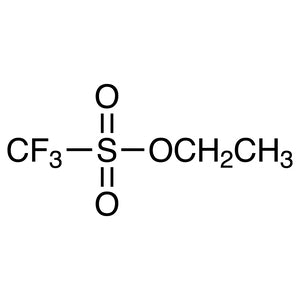
- TCI T1191 425-75-2 Ethyl Trifluoromethanesulfonate
- Organic synthesis reactions where C-X bond formation is required, due to its ability to facilitate the formation of specific molecular structures.
- Catalytic processes that benefit from the presence of isourea groups, enhancing reaction efficiency and selectivity.
- Development of new pharmaceutical compounds, as it supports the synthesis of complex organic molecules with desired properties.
- Research in chemical engineering, where stable and reactive reagents are essential for industrial-scale synthesis.
- Academic studies in synthetic chemistry, providing a reliable reagent for teaching and experimental research.
From the TCI brochure
- Alkylation of carboxylic acid in CH2Cl2 at reflux (O-dialkylisourea method, scheme on page 2)
| Brand | TCI |
|---|---|
| CAS number | 71432-55-8 |
| Molecular formula | — |
| Purity | — |
| Category | Chemistry > Synthetic Reagents > C-X(Non-Halogen) Bond Formation |
| Pack sizes | — |
| Physical form | — |
| Storage | Requires dry, cool, and well-ventilated conditions |
O-tert-Butyl-N,N'-diisopropylisourea should be stored in a dry, cool, and well-ventilated area to prevent moisture and air exposure. It is recommended to use airtight containers made of inert materials such as glass or polyethylene to maintain its chemical stability. Due to its reactivity, it should be handled with care, using appropriate personal protective equipment. Avoid contact with moisture and ensure proper ventilation during use. Regular monitoring of storage conditions is essential to maintain the integrity of the compound. Always follow standard laboratory safety protocols when working with this reagent.
—
Produk Terkait
-
O-Ethyl-N,N'-diisopropylisourea TCI E1058
Regular price Rp 2.279.550,00Regular priceRp 1.609.650,00Sale price Rp 2.279.550,00 -
O,N,N'-Triisopropylisourea TCI T3123
Regular price From Rp 1.961.400,00Regular priceRp 1.387.050,00Sale price From Rp 1.961.400,00 -
N,N'-Diisopropyl-O-methylisourea TCI D4587
Regular price Rp 3.870.300,00Regular priceRp 2.721.600,00Sale price Rp 3.870.300,00 -
MethylTrifluoromethanesulfonate TCI T2029
Regular price From Rp 1.298.850,00Regular priceRp 908.250,00Sale price From Rp 1.298.850,00 -
TrimethyloxoniumTetrafluoroborate TCI T1507
Regular price From Rp 1.670.550,00Regular priceRp 1.167.600,00Sale price From Rp 1.670.550,00 -
EthylTrifluoromethanesulfonate TCI T1191
Regular price From Rp 2.545.200,00Regular priceRp 1.779.750,00Sale price From Rp 2.545.200,00 -
Benzyl2,2,2-Trifluoro-N-phenylacetimidate TCI B3234
Regular price From Rp 3.021.900,00Regular priceRp 2.128.350,00Sale price From Rp 3.021.900,00 -
tert-Butyl2,2,2-Trichloroacetimidate TCI B1496
Regular price From Rp 1.776.600,00Regular priceRp 1.257.900,00Sale price From Rp 1.776.600,00