Benzyl Acrylate (stabilized with MEHQ), with the CAS number 2495-35-4, is a key monomer widely used in materials science and polymer chemistry. This chemical serves as a fundamental building block for the synthesis of polymers such as polyacrylates, which are essential in various industrial and research applications. In the laboratory, Benzyl Acrylate is commonly used as a raw material for creating composite materials, coatings, and polymers with specific properties. Its reactivity makes it a crucial component in polymerization reactions and polymer modification processes.
The stability of Benzyl Acrylate is significantly enhanced by the inclusion of MEHQ (Monomethylhydroquinone), a stabilizer that prevents oxidative degradation during storage and use. This makes the compound more durable and safer compared to similar substances without such stabilization. Additionally, Benzyl Acrylate has appropriate boiling points and solubility characteristics, making it compatible with a variety of solvents and suitable for diverse chemical reactions. These properties contribute to its reliability and effectiveness in laboratory settings.
In Indonesian laboratories, Benzyl Acrylate is frequently utilized in material research, polymer chemistry, and advanced material technology. Its availability and consistent performance make it a preferred choice for researchers and scientists working on polymer synthesis and modification. The compound’s stability and reactivity ensure that it remains a valuable tool in both academic and industrial research environments.
TCI brochures (PDF)
- Monomers 2025-05-28 · p. 3
Related TCI products
- TCI Z0069 14643-87-9 Zinc Acrylate
- TCI A0145 96-33-3 Methyl Acrylate (stabilized with MEHQ)
- TCI A0144 103-11-7 2-Ethylhexyl Acrylate Monomer (stabilized with MEHQ)
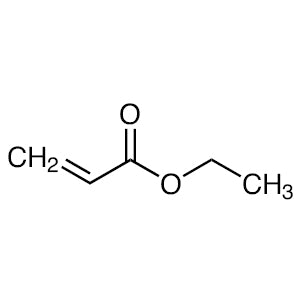
- TCI A0143 140-88-5 Ethyl Acrylate (stabilized with MEHQ)
- TCI A0142 141-32-2 Butyl Acrylate (stabilized with MEHQ)
- TCI U0117 31098-20-1 3-Sulfopropyl Acrylate Potassium Salt
- Polymer synthesis and modification in material science research due to its reactivity and compatibility with various polymerization techniques.
- Development of composite materials and coatings where controlled polymerization and specific functional properties are required.
- Chemical reaction experiments involving acrylate-based monomers, benefiting from its solubility and stability in different solvents.
- Research in polymer-based technologies, including adhesives, sealants, and specialty coatings, where precise molecular structure is essential.
- Testing and formulation of new polymer-based products in both academic and industrial settings, leveraging its versatility and stability.
| Brand | TCI |
|---|---|
| CAS number | 2495-35-4 |
| Molecular formula | — |
| Purity | — |
| Category | Materials Science > Polymer/Macromolecule Reagents > Monomers |
| Pack sizes | Available in various quantities as per standard laboratory supply |
| Physical form | Liquid |
| Storage | Store in a cool, dark place away from heat and direct sunlight |
Benzyl Acrylate should be stored in a cool, dark environment to maintain its stability and prevent oxidative degradation. It is recommended to keep the material in tightly sealed containers made of glass or high-density polyethylene to minimize exposure to air and moisture. Due to its reactivity, it should be handled in a well-ventilated area, and appropriate personal protective equipment such as gloves and safety goggles should be worn. Avoid contact with strong oxidizing agents or incompatible materials. Proper labeling and storage in designated chemical cabinets are essential to ensure safety and prevent accidental exposure. Always follow standard laboratory safety protocols when working with this compound.
—
Product Categories
Produk Terkait
-
ZincAcrylate TCI Z0069
Regular price From Rp 769.650,00Regular priceRp 537.600,00Sale price From Rp 769.650,00 -
MethylAcrylate(stabilizedwithMEHQ) TCI A0145
Regular price From Rp 477.750,00Regular priceRp 333.900,00Sale price From Rp 477.750,00 -
2-EthylhexylAcrylateMonomer(stabilizedwithMEHQ) TCI A0144
Regular price From Rp 505.050,00Regular priceRp 352.800,00Sale price From Rp 505.050,00 -
EthylAcrylate(stabilizedwithMEHQ) TCI A0143
Regular price From Rp 477.750,00Regular priceRp 333.900,00Sale price From Rp 477.750,00 -
ButylAcrylate(stabilizedwithMEHQ) TCI A0142
Regular price From Rp 505.050,00Regular priceRp 352.800,00Sale price From Rp 505.050,00 -
3-SulfopropylAcrylatePotassiumSalt TCI U0117
Regular price Rp 1.565.550,00Regular priceRp 1.094.100,00Sale price Rp 1.565.550,00 -
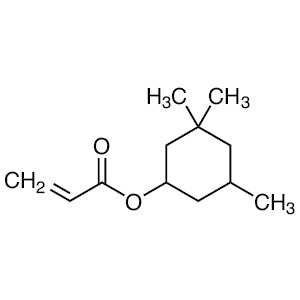
3,3,5-TrimethylcyclohexylAcrylate(cis-andtrans-mixture)(stabilizedwithMEHQ) TCI T3984
Regular price From Rp 1.510.950,00Regular priceRp 1.056.300,00Sale price From Rp 1.510.950,00 -
2,4,6-TribromophenylAcrylate TCI T3130
Regular price From Rp 1.644.300,00Regular priceRp 1.149.750,00Sale price From Rp 1.644.300,00