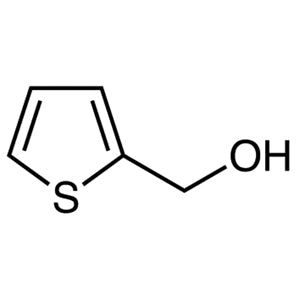
5-Bromo-2-thiophenemethanol is a chemical compound that plays a vital role in laboratory research, particularly in the synthesis of complex organic molecules. As a heterocyclic building block, it is widely used in both academic and industrial settings for its versatility in chemical reactions. This compound is essential for the development of bioactive compounds, including pharmaceuticals and specialty chemicals. Its unique structure, featuring a thiophene ring with bromo and hydroxyl substituents, makes it a valuable tool for chemists seeking to create diverse molecular frameworks.
The compound's chemical stability and reactivity make it a preferred choice for researchers. It can participate in various organic reactions, such as nucleophilic, electrophilic, and substitution reactions, enabling the synthesis of a wide range of derivatives. Its high reactivity allows for the formation of complex heterocyclic structures, which are often required in drug discovery and chemical innovation. These properties make it an essential reagent in the hands of chemists working on advanced synthetic pathways.
In Indonesian laboratories, 5-Bromo-2-thiophenemethanol is commonly used in scientific research and educational settings. It is an integral part of the chemical inventory for institutions engaged in organic synthesis and pharmaceutical development. Its presence supports both teaching and research activities, contributing to the advancement of chemical knowledge and practical applications in the region.
TCI brochures (PDF)
- Thiophenes 2026-06-29 · p. 5
Related TCI products
- Organic synthesis projects benefit from this compound due to its ability to participate in nucleophilic and electrophilic reactions, enabling the formation of complex heterocyclic structures.
- Pharmaceutical research utilizes this reagent for the development of bioactive compounds, as its structure can be modified to target specific biological activities.
- Chemical education programs incorporate this compound to teach students about heterocyclic chemistry and synthetic methodologies in a practical setting.
- Industrial chemical production relies on this material for the synthesis of specialty chemicals and intermediates used in various manufacturing processes.
- Drug discovery initiatives use this compound as a starting point for the design and synthesis of novel therapeutic agents with potential pharmaceutical applications.
| Brand | TCI |
|---|---|
| CAS number | 79387-71-6 |
| Molecular formula | — |
| Purity | — |
| Category | Chemistry > Building Blocks > Heterocyclic Building Blocks |
| Pack sizes | Available in standard laboratory quantities |
| Physical form | Liquid |
| Storage | Store in a cool, dry place away from light and incompatible substances |
This compound should be stored in a cool, dry environment, away from direct sunlight and sources of heat. It is recommended to keep it in a sealed container to prevent exposure to air and moisture. Due to its reactivity, it should be handled in a well-ventilated area, preferably under a fume hood, to minimize inhalation risks. Avoid contact with incompatible materials such as strong oxidizing agents. Always use appropriate personal protective equipment, including gloves and safety goggles, when handling this substance. Proper storage and handling are essential to ensure the compound remains stable and safe for use in laboratory settings.
—
Produk Terkait
-
4-Bromo-2-thiophenemethanol TCI B5060
Regular price Rp 769.650,00Regular priceRp 553.350,00Sale price Rp 769.650,00 -
3-Thiophenemethanol TCI T1660
Regular price From Rp 1.988.700,00Regular priceRp 1.405.950,00Sale price From Rp 1.988.700,00 -
2-Thiophenemethanol TCI T1112
Regular price From Rp 3.260.250,00Regular priceRp 2.295.300,00Sale price From Rp 3.260.250,00 -
5-Bromo-1-methylpyridin-2(1H)-one TCI B5482
Regular price Rp 2.384.550,00Regular priceRp 1.683.150,00Sale price Rp 2.384.550,00 -
2-Bromo-5-(2-ethylhexyl)thiophene TCI B5475
Regular price From Rp 3.180.450,00Regular priceRp 2.239.650,00Sale price From Rp 3.180.450,00 -
9-Benzyl-3-bromo-9H-carbazole TCI B5461
Regular price From Rp 1.563.450,00Regular priceRp 1.108.800,00Sale price From Rp 1.563.450,00 -
2-Bromo-5-dodecylthiophene TCI B5407
Regular price From Rp 2.889.600,00Regular priceRp 2.035.950,00Sale price From Rp 2.889.600,00 -
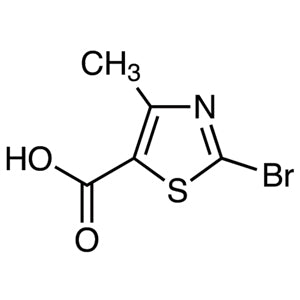
2-Bromo-4-methylthiazole-5-carboxylicAcid TCI B5336
Regular price Rp 1.590.750,00Regular priceRp 1.127.700,00Sale price Rp 1.590.750,00