1-Benzyloxy-3-iodobenzene is a chemical compound widely used in organic synthesis as a key building block in laboratory settings. It serves as a versatile reagent in various chemical reactions, particularly those involving nucleophilic substitution and coupling reactions. Its unique molecular structure, featuring both a benzyloxy group and an iodide group, makes it a valuable tool for chemists working on complex molecule synthesis. This compound is commonly found in research laboratories where the development of new compounds, pharmaceuticals, and industrial chemicals is a priority.
The compound’s high reactivity and polar nature make it a preferred choice for chemists seeking to introduce iodide functionality into organic molecules. Its ability to participate in a wide range of chemical transformations, including cross-coupling reactions, is due to its stable iodide group, which is highly reactive under appropriate conditions. The compound is soluble in organic solvents such as ethyl acetate and chloroform, which enhances its usability in various synthetic protocols. These properties make it an essential reagent for advanced organic chemistry applications.
In Indonesian laboratories, 1-Benzyloxy-3-iodobenzene is frequently used in organic chemistry research, especially in academic and research institutions. It is a key component in the synthesis of heterocyclic compounds, pharmaceuticals, and specialty chemicals. Its demand is driven by the need for high-reactivity building blocks in complex molecule development. Researchers in Indonesia rely on this compound for its reliability and effectiveness in chemical synthesis processes.
Related TCI products
- TCI B4692 19578-68-8 1-Benzyloxy-4-iodobenzene
- TCI D6109 13064-64-7 2,5-Diiodobenzene-1,4-diol
- TCI D0636 20469-63-0 2,4-Dimethoxyiodobenzene
- TCI T1840 79831-88-2 3,4,5-Tris(benzyloxy)benzyl Alcohol
- TCI B5121 836-42-0 4-(Benzyloxy)benzyl Chloride
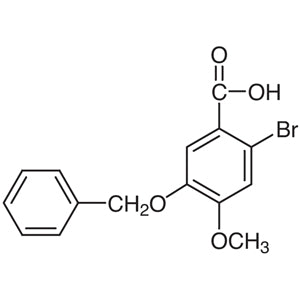
- TCI B3332 24958-42-7 5-Benzyloxy-2-bromo-4-methoxybenzoic Acid
- Organic synthesis projects benefit from this compound due to its reactivity and ability to participate in nucleophilic substitution reactions.
- Pharmaceutical research utilizes it as a building block for the development of new drug molecules and therapeutic agents.
- Industrial chemical production incorporates it in the synthesis of specialty chemicals and polymers requiring iodide functionality.
- Heterocyclic compound synthesis relies on its stable iodide group for efficient coupling reactions and structural modifications.
- Academic research in chemistry uses it as a key reagent in teaching and experimental protocols for advanced organic chemistry.
| Brand | TCI |
|---|---|
| CAS number | 107623-21-2 |
| Molecular formula | — |
| Purity | — |
| Category | Chemistry > Building Blocks > Non-Heterocyclic Building Blocks |
| Pack sizes | Available in various quantities as per standard laboratory supply |
| Physical form | Solid or liquid depending on the specific product variant |
| Storage | Store in a cool, dry place away from light and moisture |
This compound should be stored in a cool, dry environment, away from direct light and moisture to maintain its chemical stability. It is recommended to use airtight containers made of glass or high-density polyethylene to prevent contamination and degradation. Due to its reactivity, it should be handled with care using appropriate personal protective equipment, such as gloves and safety goggles. In laboratory settings, it should be kept in a well-ventilated area to minimize exposure to vapors. Always ensure that storage conditions are suitable for the specific form of the compound, and avoid contact with incompatible materials. Proper labeling and storage practices are essential to ensure safety and maintain the integrity of the compound during handling and use.
—
Produk Terkait
-
1-Benzyloxy-4-iodobenzene TCI B4692
Regular price From Rp 3.551.100,00Regular priceRp 2.483.250,00Sale price From Rp 3.551.100,00 -
2,5-Diiodobenzene-1,4-diol TCI D6109
Regular price Rp 4.056.150,00Regular priceRp 2.836.050,00Sale price Rp 4.056.150,00 -
2,4-Dimethoxyiodobenzene TCI D0636
Regular price Rp 4.743.900,00Regular priceRp 3.316.950,00Sale price Rp 4.743.900,00 -
3,4,5-Tris(benzyloxy)benzylAlcohol TCI T1840
Regular price From Rp 1.881.600,00Regular priceRp 1.331.400,00Sale price From Rp 1.881.600,00 -
4-(Benzyloxy)benzylChloride TCI B5121
Regular price From Rp 1.724.100,00Regular priceRp 1.205.400,00Sale price From Rp 1.724.100,00 -
5-Benzyloxy-2-bromo-4-methoxybenzoicAcid TCI B3332
Regular price From Rp 2.439.150,00Regular priceRp 1.720.950,00Sale price From Rp 2.439.150,00 -
4-Benzyloxy-1,3-butanediol TCI B3326
Regular price From Rp 2.439.150,00Regular priceRp 1.720.950,00Sale price From Rp 2.439.150,00 -
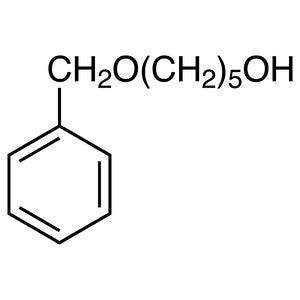
5-(Benzyloxy)pentan-1-ol TCI B3285
Regular price From Rp 1.590.750,00Regular priceRp 1.127.700,00Sale price From Rp 1.590.750,00