4-Bromo-2-(1H-pyrazol-3-yl)phenol is a versatile organic compound widely used in laboratory settings for synthetic chemistry applications. This compound serves as a key building block in the development of complex heterocyclic structures, which are essential in pharmaceutical and medicinal chemistry research. Its unique molecular structure, featuring both a bromo group and a pyrazole ring, makes it a valuable reagent for creating molecules with specific biological activities. In the laboratory, it is often employed in the synthesis of compounds with therapeutic potential, including potential anti-cancer agents and other bioactive molecules.
The compound is prized for its solubility in organic solvents, chemical stability, and high reactivity under various reaction conditions. These properties allow it to participate effectively in a range of synthetic transformations, such as substitution reactions and aromatic reactions, which can be precisely controlled. Its chemical characteristics make it suitable for use in both academic and industrial research environments where precision and reliability are critical. The ability to tailor its molecular structure through chemical modifications further enhances its utility in the development of novel compounds.
In Indonesian laboratories, 4-Bromo-2-(1H-pyrazol-3-yl)phenol is a sought-after reagent among chemists, pharmacologists, and environmental scientists. It is frequently used in research projects focused on drug discovery, material science, and environmental chemistry. Its role in synthesizing bioactive compounds makes it an essential tool for scientists working on innovative and impactful research initiatives.
Related TCI products
- TCI C2818 18704-67-1 4-Chloro-2-(1H-pyrazol-3-yl)phenol
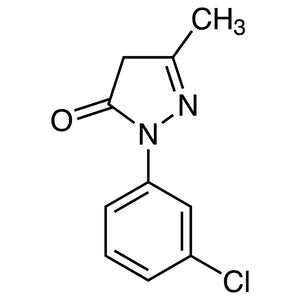
- TCI C3919 90-31-3 2-(3-Chlorophenyl)-5-methyl-2,4-dihydro-3H-pyrazol-3-one
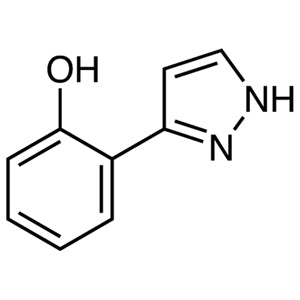
- TCI P2218 34810-67-8 2-(1H-Pyrazol-3-yl)phenol
- TCI B4494 320-49-0 4-Bromo-3-(trifluoromethyl)phenol
- TCI B4493 50824-04-9 4-Bromo-2-(trifluoromethyl)phenol
- TCI B4492 81107-97-3 2-Bromo-4-(trifluoromethyl)phenol
- Organic synthesis applications benefit from this compound's reactivity and structural versatility, enabling the creation of complex heterocyclic molecules.
- Pharmaceutical research utilizes it to develop compounds with potential therapeutic effects, including anti-cancer and anti-inflammatory agents.
- Environmental chemistry studies employ it for the synthesis of compounds used in pollution control and remediation processes.
- Academic research institutions use it as a core building block in the exploration of new chemical structures and biological activities.
- Industrial chemical development incorporates it to design and produce advanced materials with specific functional properties.
| Brand | TCI |
|---|---|
| CAS number | 99067-15-9 |
| Molecular formula | — |
| Purity | — |
| Category | Chemistry > Building Blocks > Heterocyclic Building Blocks |
| Pack sizes | 15 g |
| Physical form | Solid |
| Storage | Store in a cool, dry place away from light and moisture. |
This compound should be stored in a cool, dry environment, away from direct light and moisture to maintain its chemical stability. It is recommended to use airtight containers made of glass or polyethylene to prevent contamination and degradation. Due to its reactivity, it should be handled with appropriate personal protective equipment, including gloves and safety goggles, to ensure laboratory safety. Proper ventilation is essential when working with this material to minimize exposure. It is important to follow standard laboratory protocols for chemical handling and to keep the substance away from incompatible materials to prevent unwanted reactions.
—
Produk Terkait
-
4-Chloro-2-(1H-pyrazol-3-yl)phenol TCI C2818
Regular price Rp 1.988.700,00Regular priceRp 1.405.950,00Sale price Rp 1.988.700,00 -
2-(3-Chlorophenyl)-5-methyl-2,4-dihydro-3H-pyrazol-3-one TCI C3919
Regular price From Rp 1.220.100,00Regular priceRp 868.350,00Sale price From Rp 1.220.100,00 -
2-(1H-Pyrazol-3-yl)phenol TCI P2218
Regular price From Rp 1.378.650,00Regular priceRp 979.650,00Sale price From Rp 1.378.650,00 -
4-Bromo-3-(trifluoromethyl)phenol TCI B4494
Regular price From Rp 848.400,00Regular priceRp 593.250,00Sale price From Rp 848.400,00 -
4-Bromo-2-(trifluoromethyl)phenol TCI B4493
Regular price From Rp 1.908.900,00Regular priceRp 1.334.550,00Sale price From Rp 1.908.900,00 -
2-Bromo-4-(trifluoromethyl)phenol TCI B4492
Regular price From Rp 955.500,00Regular priceRp 667.800,00Sale price From Rp 955.500,00 -
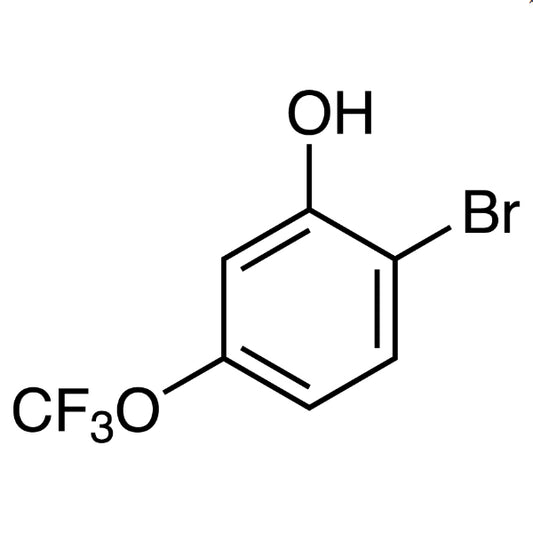
2-Bromo-5-(trifluoromethoxy)phenol TCI B3108
Regular price From Rp 2.942.100,00Regular priceRp 2.072.700,00Sale price From Rp 2.942.100,00 -
5-Bromo-1-methylpyridin-2(1H)-one TCI B5482
Regular price Rp 2.384.550,00Regular priceRp 1.683.150,00Sale price Rp 2.384.550,00