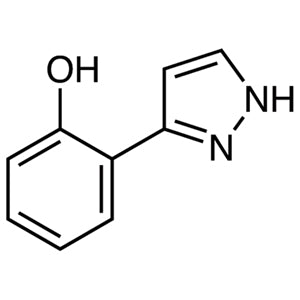
2-(1H-Pyrazol-3-yl)phenol is a chemical compound widely used in organic synthesis reactions. As a key building block, it plays a crucial role in the development of heterocyclic and aromatic compounds. Its structural complexity and reactivity make it a valuable tool for chemists engaged in research and development. This compound is commonly utilized in laboratories for its ability to participate in various chemical transformations, including substitution, condensation, and catalytic reactions. Its presence in synthetic pathways allows for the creation of complex molecules with diverse applications.
The compound's polar nature and hydroxyl group contribute to its solubility in both organic solvents and water. This solubility profile facilitates efficient purification and isolation processes, making it a preferred choice in synthetic chemistry. Additionally, its molecular structure, which combines a pyrazole ring with a phenol group, enhances its reactivity and versatility. These characteristics enable it to be used in a wide range of chemical applications, from pharmaceutical research to industrial chemical production.
In Indonesian laboratories, 2-(1H-Pyrazol-3-yl)phenol is frequently employed in organic chemistry research. It is commonly found in academic institutions and research centers where scientists are working on the synthesis of new compounds with potential pharmacological or industrial applications. Its availability and chemical properties make it an essential component in the toolkit of chemists in Indonesia.
Related TCI products
- TCI B5002 877399-74-1 tert-Butyl 4-[4-(4,4,5,5-Tetramethyl-1,3,2-dioxaborolan-2-yl)pyrazol-1-yl]piperidine-1-carboxylate
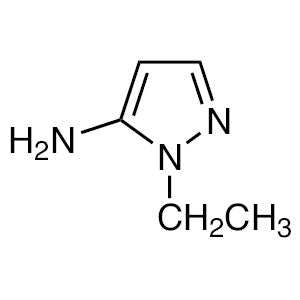
- TCI A3482 3528-58-3 1-Ethyl-1H-pyrazol-5-amine
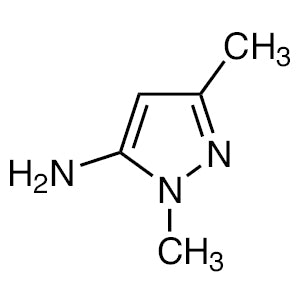
- TCI A3464 3524-32-1 1,3-Dimethyl-1H-pyrazol-5-amine
- TCI A2548 129-56-6 Anthra[1,9-cd]pyrazol-6(2H)-one
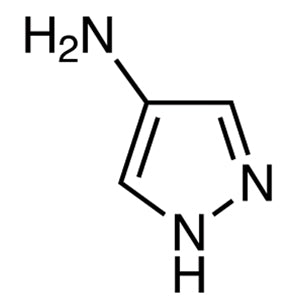
- TCI P2523 28466-26-4 1H-Pyrazol-4-amine
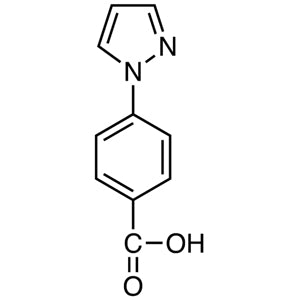
- TCI P2499 16209-00-0 4-(1H-Pyrazol-1-yl)benzoic Acid
- Organic synthesis reactions benefit from this compound's reactivity and structural versatility, enabling the creation of complex heterocyclic molecules.
- Pharmaceutical research utilizes its ability to participate in catalytic and substitution reactions, aiding in the development of new drug candidates.
- Heterocyclic compound synthesis leverages its pyrazole and phenol groups for constructing diverse molecular frameworks.
- Industrial chemical production relies on its solubility and stability to facilitate efficient chemical processing and purification.
- Academic research in Indonesian universities uses it as a key building block for exploring new synthetic methodologies and chemical transformations.
| Brand | TCI |
|---|---|
| CAS number | 34810-67-8 |
| Molecular formula | — |
| Purity | — |
| Category | Chemistry > Building Blocks > Heterocyclic Building Blocks |
| Pack sizes | Available in various quantities as per supplier specifications |
| Physical form | Solid, typically in crystalline or powder form |
| Storage | Store in a cool, dry place away from light and moisture |
This compound should be stored in a cool, dry environment, away from direct light and moisture to maintain its chemical integrity. It is recommended to use airtight containers to prevent exposure to air and humidity, which can affect its stability. Due to its polar nature and hydroxyl group, it is advisable to handle it with appropriate personal protective equipment, such as gloves and safety goggles, to ensure laboratory safety. While it is generally stable under normal storage conditions, it should be kept away from incompatible substances to avoid any potential chemical reactions. Proper labeling and storage practices are essential to ensure safe handling and long-term usability in laboratory settings.
—
Produk Terkait
-
tert-Butyl4-[4-(4,4,5,5-Tetramethyl-1,3,2-dioxaborolan-2-yl)pyrazol-1-yl]piperidine-1-carboxylate TCI B5002
Regular price From Rp 1.696.800,00Regular price -
1-Ethyl-1H-pyrazol-5-amine TCI A3482
Regular price From Rp 2.254.350,00Regular price -
1,3-Dimethyl-1H-pyrazol-5-amine TCI A3464
Regular price From Rp 1.298.850,00Regular price -
Anthra[1,9-cd]pyrazol-6(2H)-one TCI A2548
Regular price Rp 4.718.700,00Regular price -
1H-Pyrazol-4-amine TCI P2523
Regular price Rp 2.571.450,00Regular price -
4-(1H-Pyrazol-1-yl)benzoicAcid TCI P2499
Regular price Rp 1.724.100,00Regular price -
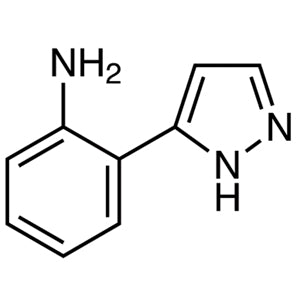
2-(1H-Pyrazol-5-yl)aniline TCI P1902
Regular price Rp 9.248.400,00Regular price -
(1-Methyl-1H-pyrazol-4-yl)methanamine TCI M3925
Regular price Rp 2.359.350,00Regular price
![877399-74-1 tert-Butyl 4-[4-(4,4,5,5-Tetramethyl-1,3,2-dioxaborolan-2-yl)pyrazol-1-yl]piperidine-1-carboxylate - AMI Scientific](http://amiscientific.com/cdn/shop/files/TCI2510B5002_79e00c7c-6778-4604-beae-188e01d7ad50.jpg?v=1767854889&width=533)
![129-56-6 Anthra[1,9-cd]pyrazol-6(2H)-one - AMI Scientific](http://amiscientific.com/cdn/shop/files/TCI2510A2548.jpg?v=1767083034&width=533)