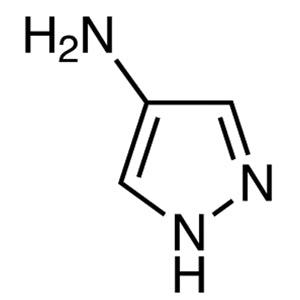
1H-Pyrazol-4-amine is a chemical compound classified under the heterocyclic category, commonly used as a building block in the synthesis of complex molecules. This compound plays a crucial role in organic chemistry laboratories, where it serves as a versatile intermediate for the development of various chemical structures. Its unique molecular structure, featuring two nitrogen atoms within a heterocyclic ring, allows it to participate in a wide range of chemical reactions. Due to its reactivity and compatibility with different functional groups, it is a valuable tool for chemists seeking to create new compounds with specific properties.
The compound’s stability and controlled reactivity make it a preferred choice for synthetic chemists. Its ability to react with acids, alcohols, and halogens enables the formation of diverse derivatives, which are essential in pharmaceutical and industrial applications. The flexibility of its structure allows it to be modified through various chemical transformations, making it a key component in the design of bioactive molecules. This adaptability ensures its widespread use in both academic and industrial research settings.
In Indonesian laboratories, 1H-Pyrazol-4-amine is widely utilized in organic chemistry research, particularly in the development of pharmaceutical compounds and industrial chemicals. Many research institutions and universities incorporate this compound into their experimental protocols due to its effectiveness as a heterocyclic building block. Its role in drug discovery and chemical synthesis makes it an essential material for scientists working in the field of medicinal and applied chemistry.
- Organic synthesis applications benefit from 1H-Pyrazol-4-amine due to its versatile reactivity and compatibility with various functional groups, enabling the creation of complex molecular structures.
- Pharmaceutical research utilizes this compound as a key building block in the development of bioactive molecules, supporting the design of new drug candidates with targeted therapeutic properties.
- Industrial chemical synthesis relies on 1H-Pyrazol-4-amine for the production of specialized compounds used in manufacturing processes, offering cost-effective and efficient chemical transformations.
- Academic research in chemistry laboratories employs this compound to explore new synthetic pathways and understand the behavior of heterocyclic compounds in different reaction conditions.
- Drug discovery projects incorporate 1H-Pyrazol-4-amine to investigate its potential in developing novel therapeutic agents with improved pharmacological profiles.
| Brand | TCI |
|---|---|
| CAS number | 28466-26-4 |
| Molecular formula | — |
| Purity | — |
| Category | Chemistry > Building Blocks > Heterocyclic Building Blocks |
| Pack sizes | Available in various quantities as per supplier specifications |
| Physical form | Solid |
| Storage | Store in a cool, dry place away from light and moisture |
1H-Pyrazol-4-amine should be stored in a cool, dry environment, away from direct light and moisture to maintain its chemical integrity. It is recommended to use airtight containers to prevent exposure to air and potential degradation. Due to its reactivity, it should be handled in a well-ventilated laboratory setting, with appropriate personal protective equipment such as gloves and safety goggles. Avoid contact with incompatible substances like strong acids or bases to prevent unwanted chemical reactions. Proper labeling of storage containers is essential for safety and traceability. Regular monitoring of storage conditions ensures the compound remains stable and suitable for use in laboratory applications.
—
Produk Terkait
-
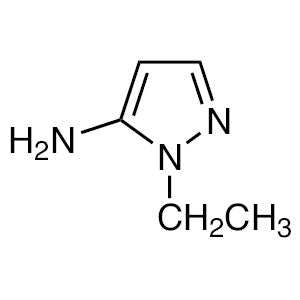
1-Ethyl-1H-pyrazol-5-amine TCI A3482
Regular price From Rp 2.254.350,00Regular price -
1,3-Dimethyl-1H-pyrazol-5-amine TCI A3464
Regular price From Rp 1.298.850,00Regular price -
5-Cyclopropyl-1H-pyrazol-3-amine TCI C3878
Regular price From Rp 1.087.800,00Regular price -
1-(3-Methyl-1-phenyl-1H-pyrazol-5-yl)piperazine TCI M3838
Regular price From Rp 1.035.300,00Regular price -
tert-Butyl4-[4-(4,4,5,5-Tetramethyl-1,3,2-dioxaborolan-2-yl)pyrazol-1-yl]piperidine-1-carboxylate TCI B5002
Regular price From Rp 1.696.800,00Regular price -
Anthra[1,9-cd]pyrazol-6(2H)-one TCI A2548
Regular price Rp 4.718.700,00Regular price -
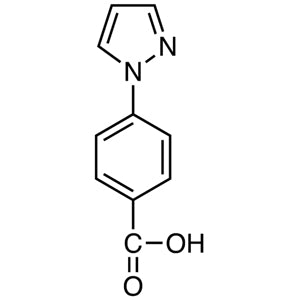
4-(1H-Pyrazol-1-yl)benzoicAcid TCI P2499
Regular price Rp 1.724.100,00Regular price -
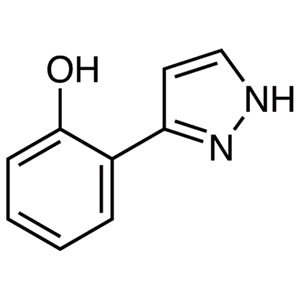
2-(1H-Pyrazol-3-yl)phenol TCI P2218
Regular price From Rp 1.326.150,00Regular price


![877399-74-1 tert-Butyl 4-[4-(4,4,5,5-Tetramethyl-1,3,2-dioxaborolan-2-yl)pyrazol-1-yl]piperidine-1-carboxylate - AMI Scientific](http://amiscientific.com/cdn/shop/files/TCI2510B5002_79e00c7c-6778-4604-beae-188e01d7ad50.jpg?v=1767854889&width=533)
![129-56-6 Anthra[1,9-cd]pyrazol-6(2H)-one - AMI Scientific](http://amiscientific.com/cdn/shop/files/TCI2510A2548.jpg?v=1767083034&width=533)