3-Bromo-2,6-dimethoxytoluene is a chemical compound widely used in laboratory settings for the synthesis of complex molecules. As a building block in organic chemistry, it plays a crucial role in creating compounds with specific structural features. This compound is commonly utilized in the development of aromatic compounds and their derivatives, making it an essential material for researchers in both pharmaceutical and chemical industries. Its versatility allows it to be incorporated into various synthetic pathways, supporting the creation of novel compounds with tailored properties.
The compound’s chemical properties make it a preferred choice for laboratory applications. It exhibits stability under controlled conditions while maintaining reactivity necessary for chemical transformations. The presence of bromo and dimethoxy groups contributes to its unique reactivity profile, enabling it to participate in substitution reactions and other synthetic processes. Its solubility characteristics also make it suitable for a range of experimental conditions, enhancing its utility in diverse chemical applications.
In Indonesian laboratories, 3-Bromo-2,6-dimethoxytoluene is used for scientific research, chemical product development, and educational purposes. It is commonly found in academic institutions and research facilities where organic synthesis and pharmaceutical studies are conducted. Its role in the synthesis of aromatic compounds and derivatives makes it a valuable resource for both teaching and advanced research projects.
- Aromatic Substitution Reactions: This compound is ideal for aromatic substitution reactions due to its bromo and dimethoxy groups, which enhance reactivity and provide structural diversity in synthetic pathways.
- Organic Synthesis: Its molecular structure makes it a key building block for the synthesis of complex organic molecules, supporting the development of new compounds with specific functional groups.
- Pharmaceutical Research: The compound is frequently used in the development of pharmaceutical compounds, as its structural features can be modified to create bioactive molecules.
- Educational Purposes: It is widely used in academic settings to teach organic chemistry principles, including substitution reactions and molecular structure analysis.
- Compound Derivatization: Its reactivity allows for the creation of various derivatives, making it useful in the study of chemical transformations and functional group modifications.
| Brand | TCI |
|---|---|
| CAS number | 22794-95-2 |
| Molecular formula | — |
| Purity | — |
| Category | Chemistry > Building Blocks > Non-Heterocyclic Building Blocks |
| Pack sizes | Available in various quantities as per standard laboratory supply |
| Physical form | Liquid |
| Storage | Store in a cool, dry place away from light and incompatible materials |
This compound should be stored in a cool, dry place, away from direct sunlight and sources of heat. It is recommended to use airtight containers made of materials compatible with its chemical properties, such as glass or high-density polyethylene. Due to its reactivity, it should be handled with care, using appropriate personal protective equipment like gloves and safety goggles. It is important to ensure proper ventilation in the laboratory when working with this compound to minimize exposure. Avoid contact with incompatible substances such as strong oxidizers or acids. Always follow standard laboratory safety protocols to ensure safe handling and storage.
—
Produk Terkait
-
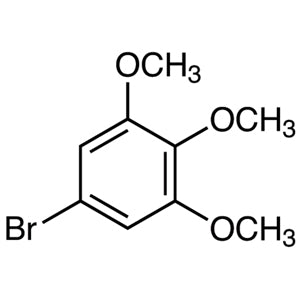
5-Bromo-1,2,3-trimethoxybenzene TCI B4739
Regular price From Rp 1.087.800,00Regular priceRp 760.200,00Sale price From Rp 1.087.800,00 -
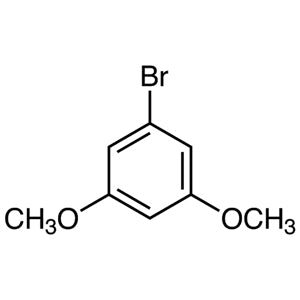
1-Bromo-3,5-dimethoxybenzene TCI B3848
Regular price From Rp 795.900,00Regular priceRp 556.500,00Sale price From Rp 795.900,00 -
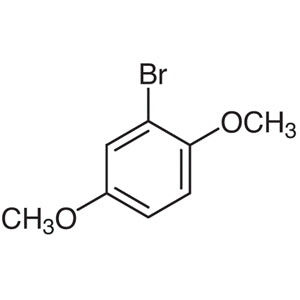
1-Bromo-2,5-dimethoxybenzene TCI B1979
Regular price From Rp 2.439.150,00Regular priceRp 1.705.200,00Sale price From Rp 2.439.150,00 -
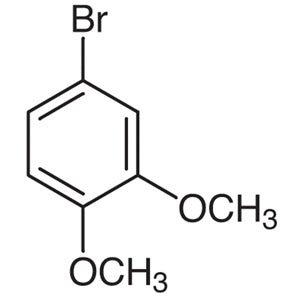
4-Bromo-1,2-dimethoxybenzene TCI B1021
Regular price Rp 1.856.400,00Regular priceRp 1.297.800,00Sale price Rp 1.856.400,00 -
2,5-Dimethoxytoluene TCI D2552
Regular price From Rp 1.590.750,00Regular priceRp 1.111.950,00Sale price From Rp 1.590.750,00 -
3,5-Dimethoxytoluene TCI D2526
Regular price From Rp 1.590.750,00Regular priceRp 1.111.950,00Sale price From Rp 1.590.750,00 -
2,6-Dimethoxytoluene TCI D2246
Regular price Rp 2.650.200,00Regular priceRp 1.853.250,00Sale price Rp 2.650.200,00 -
3,4-Dimethoxytoluene TCI D1986
Regular price From Rp 1.035.300,00Regular priceRp 723.450,00Sale price From Rp 1.035.300,00