N-(5-Bromopentyl)phthalimide is a chemical compound widely used as a building block in the synthesis of complex molecules. It plays a crucial role in organic chemistry laboratories, where it serves as a versatile reagent for various chemical reactions. Its molecular structure allows it to participate in substitution, addition, and condensation reactions, making it an essential tool for researchers aiming to create new compounds. This compound is particularly valuable in the development of heterocyclic structures, pharmaceuticals, and industrial chemicals.
One of the key properties that make N-(5-Bromopentyl)phthalimide a preferred choice is its stability under normal conditions, combined with its reactivity in specific chemical environments. It dissolves well in organic solvents such as ethyl acetate and chloroform, which enhances its utility in a wide range of experimental setups. Its chemical inertness in standard laboratory conditions also contributes to its safety profile, making it suitable for routine use. These characteristics ensure that it remains a reliable and efficient reagent for both small-scale and large-scale chemical processes.
In Indonesian laboratories, N-(5-Bromopentyl)phthalimide is commonly used in organic chemistry research, especially in academic institutions and research centers. Its role in the synthesis of complex molecules aligns with the goals of many scientific studies. Due to its chemical properties and ease of handling, it is a favored compound among chemists working on drug development, material science, and other related fields. Its availability and reliability make it an important component in the chemical supply chain within the country.
- Organic synthesis applications benefit from its reactivity and ability to participate in substitution reactions, making it ideal for creating complex molecular structures.
- Pharmaceutical research utilizes this compound as a building block for the development of new drugs and therapeutic agents due to its structural versatility.
- Industrial chemical production relies on its solubility in organic solvents, which facilitates efficient reaction processes in large-scale manufacturing.
- Academic research in chemistry laboratories uses it extensively for teaching and experimental purposes, supporting both undergraduate and graduate studies.
- Heterocyclic compound synthesis is enhanced by its ability to undergo condensation reactions, making it a valuable tool in the creation of ring-based molecular structures.
| Brand | TCI |
|---|---|
| CAS number | 954-81-4 |
| Molecular formula | — |
| Purity | — |
| Category | Chemistry > Building Blocks > Non-Heterocyclic Building Blocks |
| Pack sizes | Available in various quantities as per supplier specifications |
| Physical form | Solid, typically in crystalline or powder form |
| Storage | Store in a cool, dry place away from direct sunlight and moisture |
N-(5-Bromopentyl)phthalimide should be stored in a cool, dry environment to maintain its chemical stability. It is recommended to keep it in airtight containers to prevent exposure to moisture and air, which could affect its reactivity. While it is generally considered safe for routine laboratory use, it is important to handle it with care, especially during chemical reactions where it may become more reactive. Standard laboratory safety protocols, such as the use of personal protective equipment, should be followed to ensure safe handling. Its non-toxic nature makes it suitable for use in standard chemical procedures, but proper storage and handling are essential to maintain its effectiveness and safety.
—
Produk Terkait
-
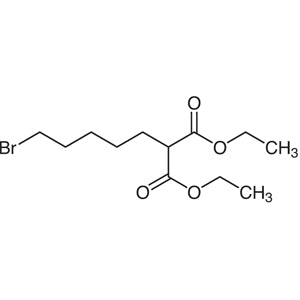
Diethyl(5-Bromopentyl)malonate TCI B2083
Regular price From Rp 2.306.850,00Regular priceRp 1.628.550,00Sale price From Rp 2.306.850,00 -
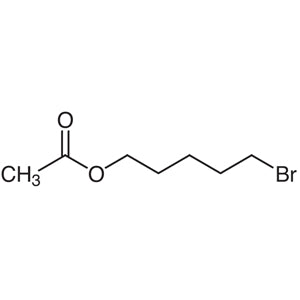
5-BromopentylAcetate TCI A1195
Regular price From Rp 955.500,00Regular priceRp 667.800,00Sale price From Rp 955.500,00 -
N-(4-Bromophenyl)phthalimide TCI B2707
Regular price From Rp 2.782.500,00Regular priceRp 1.961.400,00Sale price From Rp 2.782.500,00 -
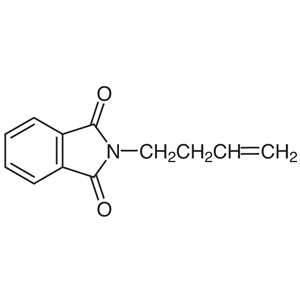
N-(3-Buten-1-yl)phthalimide TCI B1881
Regular price Rp 7.949.550,00Regular priceRp 5.574.450,00Sale price Rp 7.949.550,00 -
PhthalimidePotassiumSalt TCI P0403
Regular price From Rp 610.050,00Regular priceRp 442.050,00Sale price From Rp 610.050,00 -
Phthalimide TCI P0402
Regular price From Rp 582.750,00Regular priceRp 423.150,00Sale price From Rp 582.750,00 -
N-(2-Hydroxyethyl)phthalimide TCI H0245
Regular price From Rp 742.350,00Regular priceRp 534.450,00Sale price From Rp 742.350,00 -
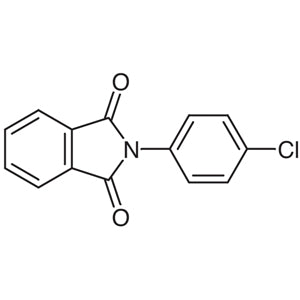
N-(4-Chlorophenyl)phthalimide TCI C1958
Regular price From Rp 1.431.150,00Regular priceRp 1.016.400,00Sale price From Rp 1.431.150,00