4-Biphenylyl Trifluoromethanesulfonate (TCI B5012) is a chemical compound widely used as a building block in organic synthesis. It serves as a versatile reagent in laboratory settings, enabling the creation of complex molecules through its reactive nature. This compound is particularly valuable in reactions that require high reactivity and the ability to form bonds with various functional groups. Its role in the laboratory is crucial for researchers aiming to develop new compounds with specific properties and applications.
The compound’s unique molecular structure, featuring a trifluoromethanesulfonate group, contributes to its high reactivity and functional versatility. These properties make it a preferred choice for chemists working on a wide range of synthetic pathways. The trifluoromethanesulfonate group enhances its ability to participate in various chemical reactions, offering stability and reactivity in controlled environments. Its chemical stability under certain conditions also facilitates safe handling and storage, making it a reliable reagent in laboratory workflows.
In Indonesian laboratories, 4-Biphenylyl Trifluoromethanesulfonate is commonly used in organic chemistry research, especially in the development of new compounds with potential applications in medicine and industry. Its presence in research projects highlights its importance in advancing scientific knowledge and innovation. The compound’s availability and reliability make it a valuable asset for researchers in both academic and industrial settings.
Related TCI products
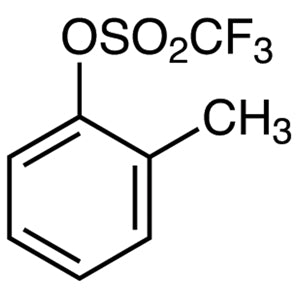
- TCI T3357 66107-34-4 o-Tolyl Trifluoromethanesulfonate
- TCI T1894 151600-02-1 6-Bromo-2-naphthyl Trifluoromethanesulfonate
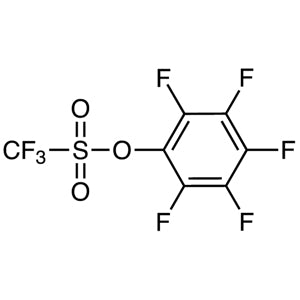
- TCI P2188 60129-85-3 Pentafluorophenyl Trifluoromethanesulfonate
- TCI N0934 152873-78-4 1,4-Naphthalenebis(trifluoromethanesulfonate)
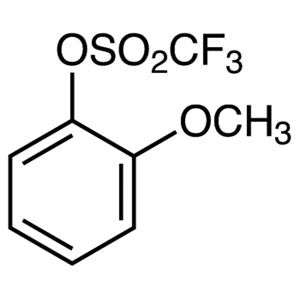
- TCI M2792 59099-58-0 2-Methoxyphenyl Trifluoromethanesulfonate
- TCI B5676 167218-39-5 N,N-Bis(4'-diphenylamino-4-biphenylyl)amine
- Organic synthesis is a primary application where this compound is used to create complex molecules due to its reactivity and ability to form bonds with various functional groups.
- Drug development benefits from this compound as it contributes to the synthesis of pharmaceutical compounds with specific therapeutic properties.
- Material science research utilizes this compound to develop new materials with enhanced chemical and physical properties.
- Analytical chemistry applications leverage its reactivity for the synthesis of reference standards and calibration compounds.
- Industrial chemistry projects use this compound to produce specialty chemicals with tailored properties for commercial applications.
| Brand | TCI |
|---|---|
| CAS number | 17763-78-9 |
| Molecular formula | — |
| Purity | — |
| Category | Chemistry > Building Blocks > Non-Heterocyclic Building Blocks |
| Pack sizes | Available in various quantities as per standard laboratory supply |
| Physical form | Solid or liquid, depending on the specific product variant |
| Storage | Store in a cool, dry place away from moisture and direct sunlight |
This compound should be stored in a cool, dry environment to maintain its chemical stability and prevent degradation. It is recommended to use airtight containers to protect it from moisture and contaminants. Due to its reactivity, it should be handled in a well-ventilated area, ideally with appropriate personal protective equipment. Avoid exposure to heat and direct sunlight to ensure long-term stability. Proper labeling and storage conditions are essential to ensure safety and maintain the integrity of the compound during laboratory use.
—
Produk Terkait
-
o-TolylTrifluoromethanesulfonate TCI T3357
Regular price From Rp 2.491.650,00Regular priceRp 1.741.950,00Sale price From Rp 2.491.650,00 -
6-Bromo-2-naphthylTrifluoromethanesulfonate TCI T1894
Regular price From Rp 3.605.700,00Regular priceRp 2.521.050,00Sale price From Rp 3.605.700,00 -
PentafluorophenylTrifluoromethanesulfonate TCI P2188
Regular price From Rp 795.900,00Regular priceRp 572.250,00Sale price From Rp 795.900,00 -
1,4-Naphthalenebis(trifluoromethanesulfonate) TCI N0934
Regular price From Rp 2.809.800,00Regular priceRp 1.964.550,00Sale price From Rp 2.809.800,00 -
2-MethoxyphenylTrifluoromethanesulfonate TCI M2792
Regular price From Rp 1.113.000,00Regular priceRp 793.800,00Sale price From Rp 1.113.000,00 -
N,N-Bis(4'-diphenylamino-4-biphenylyl)amine TCI B5676
Regular price From Rp 1.643.250,00Regular priceRp 1.164.450,00Sale price From Rp 1.643.250,00 -
1,3,5-Tris(4-biphenylyl)benzene TCI T3461
Regular price Rp 3.658.200,00Regular priceRp 2.557.800,00Sale price Rp 3.658.200,00 -
Tris[4'-(2-thienyl)-4-biphenylyl]amine TCI T3337
Regular price Rp 5.460.000,00Regular priceRp 3.833.550,00Sale price Rp 5.460.000,00