TCI C1813 4-Cyanobenzenesulfonyl Chloride (CAS 49584-26-1) is an aromatic sulfonyl chloride with a nitrile group in the para position. In the laboratory it works as a sulfonylation reagent: it converts amines into sulfonamides and alcohols into sulfonate esters. The literature reports the 4-cyanobenzenesulfonyl group as both a protecting group and an activating group for amines. It behaves much like the nosyl group because it can be removed under mild conditions with a thiol and a base. This makes it a useful alternative in multi-step synthesis.
Chemists choose this reagent because its electron-withdrawing nitrile group makes the sulfonyl chloride reactive. The same group makes the resulting sulfonamide acidic enough to alkylate, for example through a Mitsunobu reaction or alkylation with a weak base. The nitro group of the nosyl group is sensitive to some reductive conditions, while the cyano group tolerates more of them, which leaves more room when planning a synthetic route. The nitrile can also be converted into other groups later, and its distinctive infrared signal makes reactions easy to monitor.
In Indonesian laboratories, this reagent is useful to researchers in organic synthesis and medicinal chemistry who work with amines and peptides. University research groups, pharmaceutical development teams and contract synthesis laboratories can use it when they need an amine protecting group that comes off under mild conditions and survives reductive steps. It fits well in academic and industrial projects that build complex nitrogen-containing molecules over several synthetic steps.
Related TCI products
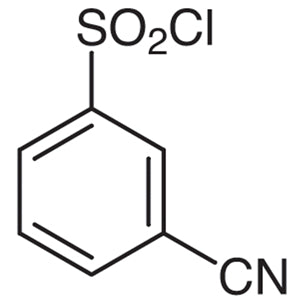
- TCI C1812 56542-67-7 3-Cyanobenzenesulfonyl Chloride
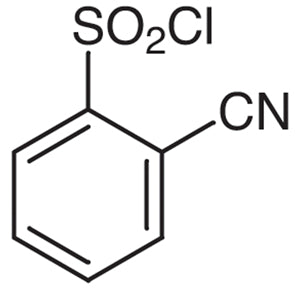
- TCI C1811 69360-26-5 2-Cyanobenzenesulfonyl Chloride
- TCI T0988 712-74-3 1,2,4,5-Tetracyanobenzene
- TCI I0802 98995-40-5 4-Isopropoxybenzenesulfonyl Chloride
- TCI I0811 63059-29-0 2-Iodobenzenesulfonyl Chloride
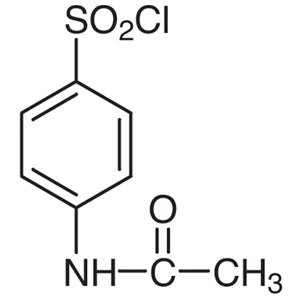
- TCI A0074 121-60-8 4-Acetamidobenzenesulfonyl Chloride
- Sulfonamide formation from amines: the reactive sulfonyl chloride couples readily with primary and secondary amines, giving 4-cyanobenzenesulfonamides for further synthetic work.
- Sulfonate ester preparation from alcohols: the reagent turns hydroxyl groups into sulfonate esters, which can serve as useful intermediates in organic synthesis sequences.
- Amine protection and activation in multi-step synthesis: the 4-cyanobenzenesulfonyl group protects the amine and can later be removed under mild conditions with a thiol and a base, much like the nosyl group.
- N-alkylation of sulfonamides through Mitsunobu or weak-base methods: the electron-withdrawing nitrile makes the sulfonamide NH acidic enough to alkylate efficiently under mild conditions.
- Synthetic routes that include reductive steps: the cyano group withstands a number of reductive conditions better than the nitro group of nosyl reagents, so chemists have more freedom in route design.
| Brand | TCI (product code C1813) |
|---|---|
| CAS number | 49584-26-1 |
| Molecular formula | — |
| Purity | — |
| Category | Chemistry > Building Blocks > Non-Heterocyclic Building Blocks |
| Pack sizes | as listed on the product page; contact AMI Scientific for available options |
| Physical form | see the TCI Certificate of Analysis and Safety Data Sheet |
| Storage | keep tightly closed and protected from moisture, following the manufacturer's recommendations |
Sulfonyl chlorides as a class react with water and moisture, so store this reagent in its original, tightly sealed container in a cool, dry, well-ventilated place. Keep it away from water, bases, amines, alcohols and oxidizing agents. Recap the container immediately after each use, and consider an inert-atmosphere or desiccator environment if you open it often. Handle it inside a fume hood and wear chemical-resistant gloves, safety goggles and a lab coat. Avoid skin contact, eye contact and breathing in dust or vapours. Always read the TCI Safety Data Sheet for the specific hazard, storage and disposal instructions before use.
—
Produk Terkait
-
3-CyanobenzenesulfonylChloride TCI C1812
Regular price From Rp 1.618.050,00Regular priceRp 1.146.600,00Sale price From Rp 1.618.050,00 -
2-CyanobenzenesulfonylChloride TCI C1811
Regular price From Rp 1.378.650,00Regular priceRp 979.650,00Sale price From Rp 1.378.650,00 -
1,2,4,5-Tetracyanobenzene TCI T0988
Regular price From Rp 2.068.500,00Regular priceRp 1.461.600,00Sale price From Rp 2.068.500,00 -
4-IsopropoxybenzenesulfonylChloride TCI I0802
Regular price From Rp 2.597.700,00Regular priceRp 1.816.500,00Sale price From Rp 2.597.700,00 -
2-IodobenzenesulfonylChloride TCI I0811
Regular price From Rp 4.506.600,00Regular priceRp 3.151.050,00Sale price From Rp 4.506.600,00 -
4-AcetamidobenzenesulfonylChloride TCI A0074
Regular price Rp 2.279.550,00Regular priceRp 1.609.650,00Sale price Rp 2.279.550,00 -
2,4,6-TrichlorobenzenesulfonylChloride TCI T2035
Regular price From Rp 2.016.000,00Regular priceRp 1.409.100,00Sale price From Rp 2.016.000,00 -
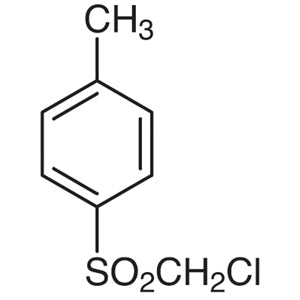
p-ToluenesulfonylmethylChloride TCI T1505
Regular price Rp 2.411.850,00Regular priceRp 1.686.300,00Sale price Rp 2.411.850,00