TCI C1976 2-Cyanobenzoic Acid (CAS 3839-22-3) is a benzoic acid that carries a nitrile group in the ortho position. Because the carboxylic acid and nitrile groups sit on adjacent carbon atoms, the compound has distinctive chemical behaviour. In the laboratory, 2-Cyanobenzoic Acid serves as a non-heterocyclic building block for synthesising phthalate derivatives, isoindolinones, phthalimides, and a range of heterocycles constructed from two neighbouring functional groups. This makes it a practical starting point for chemists working on fused ring systems.
Chemists choose this compound because its two functional groups can react separately or together. The carboxylic acid group can be esterified, amidated, or reduced, while the nitrile group can be hydrolysed, reduced, or attacked by nucleophiles. Because the groups are ortho to each other, a reaction at one group often triggers intramolecular cyclisation with the other. This gives quick access to five-membered ring systems fused to benzene. Together, these features make it an efficient starting material for building nitrogen-containing heterocyclic frameworks in fewer synthetic steps.
In Indonesia, this material is relevant to organic synthesis and medicinal chemistry laboratories at universities, research institutes, and R&D units in the pharmaceutical and chemical industries. Research groups that develop new heterocyclic scaffolds, prepare compound libraries, or study cyclisation reactions can use it as a dependable building block. Teaching laboratories running advanced organic chemistry courses may also find it useful for showing how neighbouring functional groups work together in ring-forming reactions.
- Isoindolinone synthesis: the ortho carboxylic acid and nitrile groups can cyclise intramolecularly, giving direct access to the isoindolinone core in a small number of synthetic steps.
- Phthalimide preparation: both functional groups are positioned to form a five-membered imide ring fused to benzene, so the compound is a natural precursor for phthalimide frameworks.
- Phthalate derivative synthesis: the carboxylic acid group can be esterified and the nitrile group hydrolysed, which allows chemists to build a variety of phthalate-type derivatives from a single starting material.
- Nitrogen-containing heterocycle construction: reactions at one group often trigger cyclisation with the neighbouring group, making it an efficient route to fused nitrogen heterocycles for medicinal chemistry research.
- Selective functional group transformations: the carboxylic acid can be esterified, amidated, or reduced independently of the nitrile, which supports stepwise synthetic strategies and the preparation of compound libraries.
| Brand | TCI (product code C1976) |
|---|---|
| CAS number | 3839-22-3 |
| Molecular formula | — |
| Purity | — |
| Category | Chemistry > Building Blocks > Non-Heterocyclic Building Blocks |
| Pack sizes | please confirm available pack sizes with AMI Scientific |
| Physical form | refer to the TCI product specification and Certificate of Analysis |
| Storage | follow the storage conditions stated on the TCI label and Safety Data Sheet |
Keep 2-Cyanobenzoic Acid in its original, tightly closed manufacturer container in a cool, dry, well-ventilated area, away from direct sunlight, moisture, and incompatible materials such as strong oxidising agents and strong bases. Always follow the storage conditions on the TCI label and Safety Data Sheet. Handle the material in a fume hood or another well-ventilated area, and wear appropriate personal protective equipment, including safety glasses, chemical-resistant gloves, and a laboratory coat. Avoid creating dust and avoid contact with skin, eyes, and clothing. Label any container used for transfers clearly, reseal it promptly after use, and dispose of waste according to institutional and local regulations.
—
Produk Terkait
-
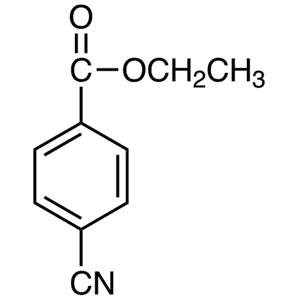
Ethyl4-Cyanobenzoate TCI E1167
Regular price Rp 2.464.350,00Regular priceRp 1.738.800,00Sale price Rp 2.464.350,00 -
4-Cyanobenzohydrazide TCI C4160
Regular price From Rp 1.563.450,00Regular priceRp 1.108.800,00Sale price From Rp 1.563.450,00 -
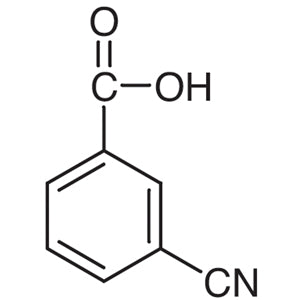
3-CyanobenzoicAcid TCI C0446
Regular price From Rp 1.167.600,00Regular priceRp 831.600,00Sale price From Rp 1.167.600,00 -
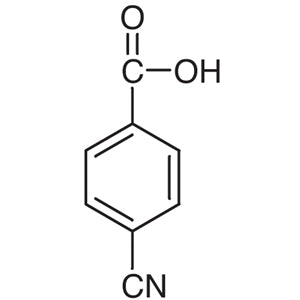
4-CyanobenzoicAcid TCI C0445
Regular price From Rp 1.298.850,00Regular priceRp 924.000,00Sale price From Rp 1.298.850,00 -
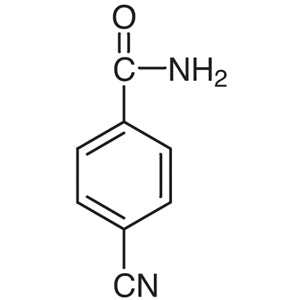
4-Cyanobenzamide TCI C1594
Regular price From Rp 2.942.100,00Regular priceRp 2.072.700,00Sale price From Rp 2.942.100,00 -
5-Amino-2-cyanobenzotrifluoride TCI A1213
Regular price From Rp 1.167.600,00Regular priceRp 831.600,00Sale price From Rp 1.167.600,00 -
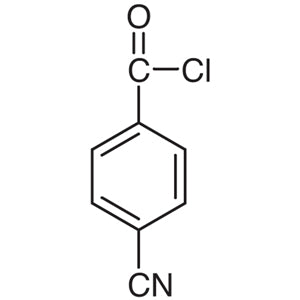
4-CyanobenzoylChloride TCI C1182
Regular price From Rp 2.147.250,00Regular priceRp 1.517.250,00Sale price From Rp 2.147.250,00 -
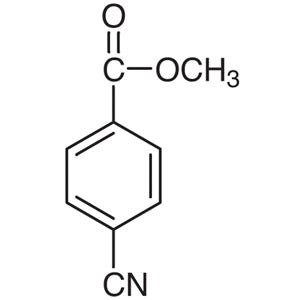
Methyl4-Cyanobenzoate TCI C1119
Regular price From Rp 1.988.700,00Regular priceRp 1.405.950,00Sale price From Rp 1.988.700,00