3-(4-Chlorophenyl)propanoic acid is a versatile organic compound widely used in laboratory settings for its reactivity and structural adaptability. As a key building block in synthetic chemistry, it serves as a foundational material for the development of complex molecules. Its molecular structure consists of a propanoic acid chain attached to a 4-chlorophenyl group, making it a valuable reagent in various chemical transformations. This compound is commonly utilized in both academic and industrial research environments for its ability to participate in a range of chemical reactions.
The compound's polar nature and functional group compatibility make it a preferred choice for chemists. The presence of the chloro group on the phenyl ring significantly influences its reactivity, enabling it to undergo substitution, electrophilic, and other types of reactions. These properties make it highly suitable for the synthesis of heterocyclic compounds and bioactive molecules. Its flexibility allows it to be incorporated into diverse synthetic pathways, enhancing its utility in organic chemistry.
In Indonesian laboratories, this compound is frequently used in pharmaceutical and material science research. It is a critical component in the development of new drugs and advanced materials. Researchers in both academic and industrial settings rely on its reactivity and structural versatility to achieve their experimental goals. Its widespread use underscores its importance in the field of synthetic chemistry within the region.
Related TCI products
- TCI T4336 25173-72-2 3-(3,4,5-Trimethoxyphenyl)propanoic Acid
- TCI M3883 13794-15-5 2-(4-Methoxyphenoxy)propanoic Acid
- TCI H1819 621-54-5 3-(3-Hydroxyphenyl)propanoic Acid
- TCI C4153 2086689-08-7 3-[3-(tert-Butoxy)-3-oxopropoxy]propanoic Acid
- TCI C3880 3307-39-9 2-(4-Chlorophenoxy)propanoic Acid
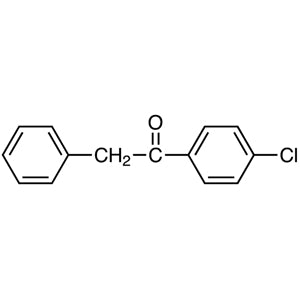
- TCI B4704 1889-71-0 Benzyl 4-Chlorophenyl Ketone
- Organic synthesis applications benefit from this compound's reactivity and structural adaptability, making it ideal for creating complex molecules.
- Pharmaceutical research utilizes it as a building block for the development of new drug compounds due to its functional group versatility.
- Material science experiments often incorporate it for the synthesis of advanced polymers and functional materials.
- Academic research in chemistry uses it to explore reaction mechanisms and synthetic pathways in educational and experimental settings.
- Industrial chemical processes rely on its stability and reactivity for the production of specialty chemicals and intermediates.
| Brand | TCI |
|---|---|
| CAS number | 2019-34-3 |
| Molecular formula | — |
| Purity | — |
| Category | Chemistry > Building Blocks > Non-Heterocyclic Building Blocks |
| Pack sizes | Available in various quantities as per supplier specifications |
| Physical form | Solid |
| Storage | Store in a cool, dry place away from light and moisture |
This compound should be stored in a cool, dry place, away from direct light and moisture to maintain its chemical integrity. It is recommended to use airtight containers to prevent exposure to air and humidity. Due to its polar nature, it may absorb moisture from the environment, which can affect its purity and reactivity. Laboratory personnel should handle it with appropriate personal protective equipment, such as gloves and safety goggles, to ensure safety during handling. It is important to keep it away from incompatible substances to avoid any potential chemical reactions. Proper labeling and storage conditions are essential to ensure safe and effective use in laboratory settings.
—
Produk Terkait
-
3-(3,4,5-Trimethoxyphenyl)propanoicAcid TCI T4336
Regular price From Rp 1.776.600,00Regular price -
2-(4-Methoxyphenoxy)propanoicAcid TCI M3883
Regular price From Rp 1.035.300,00Regular price -
3-(3-Hydroxyphenyl)propanoicAcid TCI H1819
Regular price From Rp 875.700,00Regular price -
3-[3-(tert-Butoxy)-3-oxopropoxy]propanoicAcid TCI C4153
Regular price Rp 4.320.750,00Regular price -
2-(4-Chlorophenoxy)propanoicAcid TCI C3880
Regular price Rp 2.359.350,00Regular price -
Benzyl4-ChlorophenylKetone TCI B4704
Regular price From Rp 848.400,00Regular price -
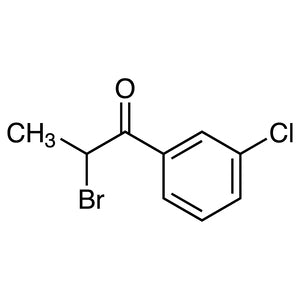
2-Bromo-1-(3-chlorophenyl)propan-1-one TCI B2932
Regular price From Rp 1.881.600,00Regular price -
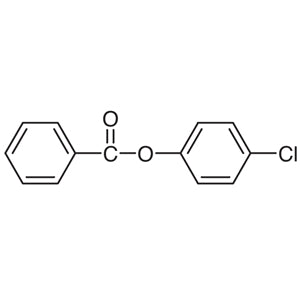
4-ChlorophenylBenzoate TCI B0063
Regular price Rp 2.174.550,00Regular price


![3-[3-(tert-Butoxy)-3-oxopropoxy]propanoic Acid (CAS 2086689-08-7) - TCI C4153 - AMI Scientific](http://amiscientific.com/cdn/shop/files/TCI2510C4153.jpg?v=1767100574&width=533)