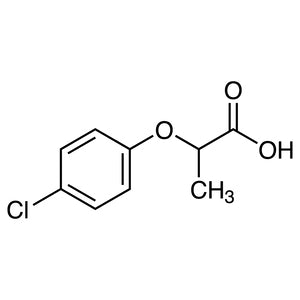
2-(4-Chlorophenoxy)propanoic acid is a key chemical compound widely used in organic synthesis reactions within laboratory settings. As a building block in chemistry, it serves as a versatile intermediate for the development of various bioactive compounds, including herbicides and fungicides. Its role in molecular structure modification makes it essential for creating compounds with specific functional properties. This compound is particularly valued for its ability to participate in esterification, substitution, and other reactions that require controlled solubility and reactivity.
The compound’s solubility in organic solvents such as ethyl acetate and chloroform, along with its stability under specific conditions, makes it a preferred choice for synthetic chemists. Its simple yet flexible molecular structure allows for a wide range of chemical transformations. The presence of a chlorine atom on the phenyl ring enhances its reactivity, making it suitable for substitution reactions and structural modifications. These properties ensure its reliability in various synthetic processes.
In Indonesian laboratories, 2-(4-Chlorophenoxy)propanoic acid is commonly used in research related to organic chemistry, pharmaceutical development, and environmental studies. Its stability and reactivity make it an essential tool for scientists working on compound synthesis and modification. Due to its broad applications and consistent performance, it remains a valuable resource in both academic and industrial research settings.
Related TCI products
- TCI D6084 1928-38-7 Methyl (2,4-Dichlorophenoxy)acetate
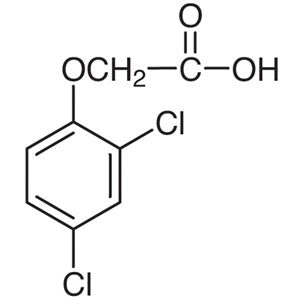
- TCI D0396 94-75-7 2,4-Dichlorophenoxyacetic Acid
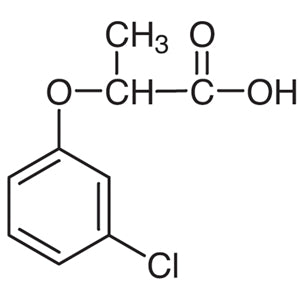
- TCI C1094 101-10-0 2-(3-Chlorophenoxy)propionic Acid
- TCI T1063 575-89-3 2,4,6-Trichlorophenoxyacetic Acid
- TCI O0518 1917-97-1 Octan-2-yl (2,4-Dichlorophenoxy)acetate
- TCI D1942 120-36-5 2-(2,4-Dichlorophenoxy)propionic Acid
- Organic synthesis applications benefit from its reactivity and solubility in organic solvents, enabling efficient reaction pathways.
- Pharmaceutical research utilizes this compound for the development of bioactive molecules, particularly in herbicide and fungicide formulations.
- Environmental studies incorporate it for the synthesis of compounds used in pollution control and remediation processes.
- Structural modification projects rely on its flexible molecular framework for creating compounds with desired functional properties.
- Analytical chemistry uses it as a reference standard for testing and characterizing other organic compounds.
| Brand | TCI |
|---|---|
| CAS number | 3307-39-9 |
| Molecular formula | — |
| Purity | — |
| Category | Chemistry > Building Blocks > Non-Heterocyclic Building Blocks |
| Pack sizes | Available in standard laboratory quantities |
| Physical form | Solid or liquid depending on formulation |
| Storage | Store in a cool, dry place away from light and moisture |
This compound should be stored in a cool, dry environment, away from direct light and moisture to maintain its stability and reactivity. It is recommended to use airtight containers made of glass or high-density polyethylene to prevent contamination and degradation. Laboratory personnel should handle it with appropriate personal protective equipment, including gloves and safety goggles, to ensure safety during use. Due to its chemical nature, it should be kept separate from incompatible materials such as strong bases or oxidizing agents. Proper labeling and storage conditions are essential to maintain its integrity and ensure safe handling in laboratory environments.
—
Product Categories
Produk Terkait
-
Methyl(2,4-Dichlorophenoxy)acetate TCI D6084
Regular price From Rp 2.306.850,00Regular price -
2,4-DichlorophenoxyaceticAcid TCI D0396
Regular price From Rp 664.650,00Regular price -
2-(3-Chlorophenoxy)propionicAcid TCI C1094
Regular price Rp 1.458.450,00Regular price -
2,4,6-TrichlorophenoxyaceticAcid TCI T1063
Regular price From Rp 3.232.950,00Regular price -
Octan-2-yl(2,4-Dichlorophenoxy)acetate TCI O0518
Regular price From Rp 2.227.050,00Regular price -
2-(2,4-Dichlorophenoxy)propionicAcid TCI D1942
Regular price Rp 3.155.250,00Regular price -
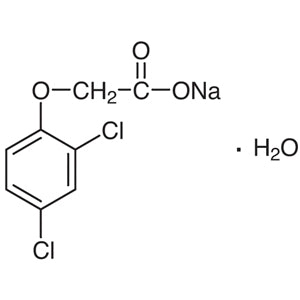
Sodium2,4-DichlorophenoxyacetateMonohydrate TCI D1319
Regular price From Rp 769.650,00Regular price -
2-(4-Chlorophenoxy)isobutyricAcid TCI C0940
Regular price Rp 664.650,00Regular price