2-(2,4-Dichlorophenoxy)propionic acid is a chemical compound widely used in life science research, particularly in the fields of cell biology and nutrition. This compound plays a crucial role in laboratory settings where researchers aim to study the biological mechanisms underlying metabolism and cellular growth. It serves as a key building block for the synthesis of various bioactive compounds, enabling scientists to explore their potential applications in diverse scientific domains. Its importance lies in its ability to interact with specific receptors within cells, providing insights into cellular responses and regulatory processes.
One of the primary reasons this compound is preferred is its chemical stability and solubility in organic solvents. These properties make it highly suitable for use in a wide range of chemical and biochemical experiments. Its reactivity also allows it to participate in complex chemical reactions, making it a versatile tool for researchers. Additionally, its consistent performance in laboratory conditions ensures reliable results, which is essential for scientific accuracy and reproducibility.
In Indonesian laboratories, 2-(2,4-Dichlorophenoxy)propionic acid is commonly used in research related to nutrition, agriculture, and pharmacology. Local researchers rely on this compound to investigate the effects of various substances on biological systems, contributing to advancements in scientific knowledge. Its application in these fields highlights its significance as a fundamental reagent in modern scientific research.
TCI brochures (PDF)
- Synthetic Auxin and Selective Binding to Modified Receptor 2025-05-26 · p. 2
- Plant Hormones 2025-01-30 · p. 1
- Agrochemical Ingredients for Research and Experimental Use 2026-01-08 · p. 2
- Plant Research Reagents 2026-02-24 · p. 10
- Reagents for Biological Research 2025-03-11 · p. 55
Related TCI products
- TCI O0518 1917-97-1 Octan-2-yl (2,4-Dichlorophenoxy)acetate
- TCI D6084 1928-38-7 Methyl (2,4-Dichlorophenoxy)acetate
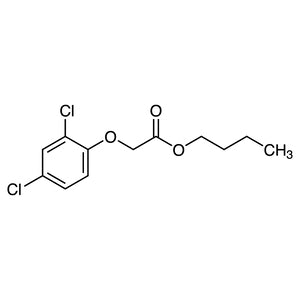
- TCI B6492 94-80-4 Butyl 2-(2,4-Dichlorophenoxy)acetate
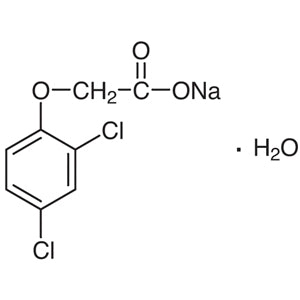
- TCI D1319 7084-86-8 Sodium 2,4-Dichlorophenoxyacetate Monohydrate
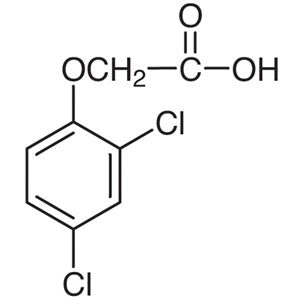
- TCI D0396 94-75-7 2,4-Dichlorophenoxyacetic Acid
- TCI C3880 3307-39-9 2-(4-Chlorophenoxy)propanoic Acid
- Nutritional Research: This compound is used to study the metabolic effects of bioactive substances on cellular functions and nutrient absorption.
- Cell Biology Studies: It aids in investigating how chemical compounds interact with cellular receptors and influence biological processes.
- Agricultural Research: It is employed to analyze the impact of chemical compounds on plant growth and development in controlled environments.
- Pharmacological Investigations: Researchers use it to explore the potential therapeutic applications of bioactive compounds in drug development.
- Biochemical Reactions: Its reactivity makes it suitable for complex chemical syntheses and reaction mechanisms in laboratory settings.
| Brand | TCI |
|---|---|
| CAS number | 120-36-5 |
| Molecular formula | — |
| Purity | — |
| Category | Life Science > Cell Biology > Nutrition Research |
| Pack sizes | Available in standard laboratory quantities |
| Physical form | Solid or crystalline powder |
| Storage | Store in a cool, dry place away from direct sunlight |
This compound should be stored in a cool, dry environment, away from direct sunlight and sources of heat. It is recommended to use airtight containers to prevent exposure to moisture and air, which could affect its stability. Due to its chemical reactivity, it should be handled with appropriate personal protective equipment, such as gloves and safety goggles, to ensure laboratory safety. When working with this compound, it is important to follow standard laboratory protocols to minimize risks associated with chemical exposure. Proper ventilation is also essential when handling this substance to reduce the risk of inhalation. Always ensure that the compound is stored in a secure location, away from incompatible materials, to maintain its integrity and safety in the laboratory.
—
Produk Terkait
-
Octan-2-yl(2,4-Dichlorophenoxy)acetate TCI O0518
Regular price From Rp 2.227.050,00Regular price -
Methyl(2,4-Dichlorophenoxy)acetate TCI D6084
Regular price From Rp 2.306.850,00Regular price -
Butyl2-(2,4-Dichlorophenoxy)acetate TCI B6492
Regular price Rp 2.969.400,00Regular price -
Sodium2,4-DichlorophenoxyacetateMonohydrate TCI D1319
Regular price From Rp 769.650,00Regular price -
2,4-DichlorophenoxyaceticAcid TCI D0396
Regular price From Rp 664.650,00Regular price -
2-(4-Chlorophenoxy)propanoicAcid TCI C3880
Regular price Rp 2.359.350,00Regular price -
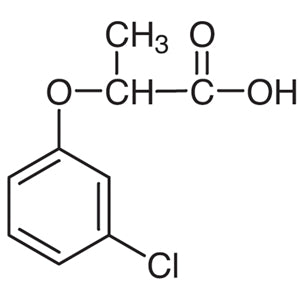
2-(3-Chlorophenoxy)propionicAcid TCI C1094
Regular price Rp 1.458.450,00Regular price -
2,4,6-TrichlorophenoxyaceticAcid TCI T1063
Regular price From Rp 3.232.950,00Regular price