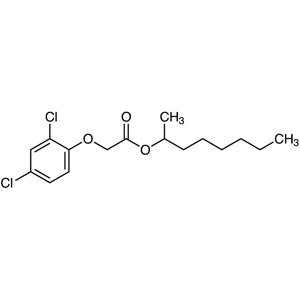
Octan-2-yl (2,4-Dichlorophenoxy)acetate is a chemical compound widely used in life science research, particularly in the fields of cell biology and nutrition. This compound plays a crucial role in laboratory experiments focused on understanding cellular metabolism and how cells respond to environmental stimuli. Its complex molecular structure allows it to interact with various biological systems, making it a valuable tool for researchers aiming to explore biochemical pathways and physiological responses. As a key reagent, it supports the development of bioactive compounds and is often used in the synthesis of pharmaceutical and agricultural products.
One of the main reasons this compound is preferred in laboratories is its chemical stability under controlled conditions, which ensures consistent results in experiments. Despite its stability, it remains sensitive to environmental factors such as temperature and light, requiring careful handling. Its versatility in different experimental setups, combined with its ability to participate in a wide range of chemical reactions, makes it an essential component in both basic and applied research. The compound’s availability in various packaging formats also enhances its usability across different research scales and applications.
In Indonesian laboratories, Octan-2-yl (2,4-Dichlorophenoxy)acetate is commonly used in molecular biology and nutritional studies. Researchers in academic and research institutions rely on this compound to investigate the effects of chemical agents on cellular processes and to develop new methodologies in biochemistry and nutrition science. Its presence in Indonesian research environments highlights its importance in advancing scientific knowledge and innovation in life sciences.
Advantages (TCI brochure)
- Acts as synthetic proauxin co-treated with xylemin to promote xylem differentiation
TCI brochures (PDF)
- Xylem Differentiation-Inducing Polyamine Xylemin 2024-11-15 · p. 2
- Plant Hormones 2025-01-30 · p. 1
- Agrochemical Ingredients for Research and Experimental Use 2026-01-08 · p. 2
- Plant Research Reagents 2026-02-24 · p. 10
- Reagents for Biological Research 2025-03-11 · p. 55
Related TCI products
- TCI D6084 1928-38-7 Methyl (2,4-Dichlorophenoxy)acetate
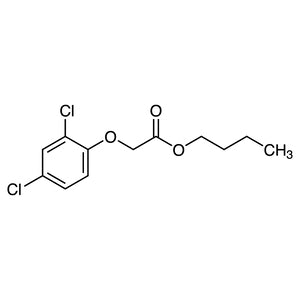
- TCI B6492 94-80-4 Butyl 2-(2,4-Dichlorophenoxy)acetate
- TCI D1942 120-36-5 2-(2,4-Dichlorophenoxy)propionic Acid
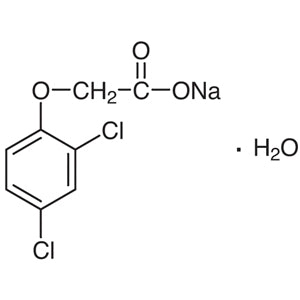
- TCI D1319 7084-86-8 Sodium 2,4-Dichlorophenoxyacetate Monohydrate
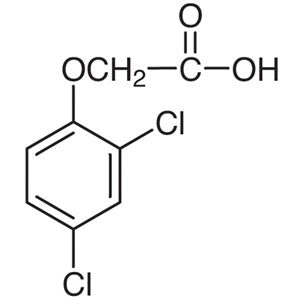
- TCI D0396 94-75-7 2,4-Dichlorophenoxyacetic Acid
- TCI C3880 3307-39-9 2-(4-Chlorophenoxy)propanoic Acid
- Molecular biology research utilizes this compound to study gene expression and protein interactions due to its ability to modulate cellular signaling pathways.
- Nutritional studies employ it to evaluate the impact of chemical agents on metabolic processes and nutrient absorption mechanisms.
- Cell culture experiments benefit from its role in testing the effects of various compounds on cell viability and differentiation.
- Biochemical assays incorporate it to analyze enzyme activity and metabolic enzyme inhibition in controlled environments.
- Agricultural research uses it to investigate the effects of plant growth regulators on crop development and physiological responses.
From the TCI brochure
- Co-treatment with xylemin in ectopic xylem differentiation of N. benthamiana cotyledons
| Brand | TCI |
|---|---|
| CAS number | 1917-97-1 |
| Molecular formula | — |
| Purity | — |
| Category | Life Science > Cell Biology > Nutrition Research |
| Pack sizes | Available in various sizes to suit different research scales |
| Physical form | Liquid |
| Storage | Store in a cool, dark place away from direct sunlight and moisture |
Data from the TCI brochure
| Kemasan | 100mg / 1g |
|---|
Source: TCI brochure LL071 (2024-11-15)
Octan-2-yl (2,4-Dichlorophenoxy)acetate should be stored in a cool, dark place, away from direct sunlight and moisture to maintain its chemical stability. It is recommended to use airtight containers made of glass or high-density polyethylene to prevent contamination and degradation. Due to its sensitivity to environmental factors, it should be handled with care, using appropriate personal protective equipment such as gloves and safety goggles. In laboratory settings, it is important to ensure proper ventilation and to follow standard safety protocols to minimize exposure. Regular monitoring of storage conditions is advised to ensure the integrity of the compound throughout its use in research applications.
—
Produk Terkait
-
Methyl(2,4-Dichlorophenoxy)acetate TCI D6084
Regular price From Rp 2.306.850,00Regular price -
Butyl2-(2,4-Dichlorophenoxy)acetate TCI B6492
Regular price Rp 2.969.400,00Regular price -
2-(2,4-Dichlorophenoxy)propionicAcid TCI D1942
Regular price Rp 3.155.250,00Regular price -
Sodium2,4-DichlorophenoxyacetateMonohydrate TCI D1319
Regular price From Rp 769.650,00Regular price -
2,4-DichlorophenoxyaceticAcid TCI D0396
Regular price From Rp 664.650,00Regular price -
2-(4-Chlorophenoxy)propanoicAcid TCI C3880
Regular price Rp 2.359.350,00Regular price -
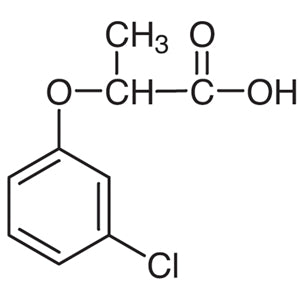
2-(3-Chlorophenoxy)propionicAcid TCI C1094
Regular price Rp 1.458.450,00Regular price -
2,4,6-TrichlorophenoxyaceticAcid TCI T1063
Regular price From Rp 3.232.950,00Regular price