2-(4-Chlorophenyl)-4,5-diphenylimidazole is a chemical compound widely used in life science research, particularly in molecular biology. It plays a crucial role in nucleic acid detection and hybridization processes, enabling scientists to study molecular interactions and develop diagnostic techniques. This compound is essential in laboratories where precise and reliable results are required for genetic and biochemical analyses. Its unique chemical structure allows it to interact effectively with various biomolecules, making it a valuable tool in advanced research settings.
The compound is preferred due to its high specificity and stability under controlled laboratory conditions. Its ability to bind with molecules containing phenyl and imidazole groups makes it ideal for applications requiring high selectivity. Additionally, its chemical properties ensure consistent performance across different experimental protocols, enhancing the accuracy of research outcomes. These characteristics make it a reliable choice for researchers working on complex molecular studies.
In Indonesian laboratories, 2-(4-Chlorophenyl)-4,5-diphenylimidazole is commonly used in genetic, biochemical, and molecular diagnostic research. Due to its limited availability in the local market, it is often imported by research institutions and universities to support specialized studies. Its application in these settings highlights its importance in advancing scientific understanding and innovation in the life sciences.
- Nucleic Acid Hybridization: This compound is ideal for hybridization experiments due to its ability to bind specifically with complementary nucleic acid strands, enhancing detection accuracy.
- Molecular Interaction Studies: Its chemical structure allows it to interact with various biomolecules, making it suitable for studying molecular interactions in complex biological systems.
- Diagnostic Assay Development: The compound's high specificity supports the creation of diagnostic assays, enabling precise identification of genetic markers and mutations.
- Genetic Research: It is used in genetic studies to analyze DNA and RNA structures, contributing to the understanding of gene expression and function.
- Biochemical Analysis: Its stability and reactivity make it a valuable tool for biochemical experiments requiring precise molecular interactions and binding properties.
| Brand | TCI |
|---|---|
| CAS number | 5496-32-2 |
| Molecular formula | — |
| Purity | — |
| Category | Life Science > Molecular Biology > Nucleic Acid Detection and Hybridization |
| Pack sizes | Available in various quantities as per supplier specifications |
| Physical form | Solid |
| Storage | Store in a cool, dry place away from light and moisture |
This compound should be stored in a cool, dry environment, away from direct light and moisture to maintain its chemical integrity. It is recommended to use airtight containers to prevent exposure to air and contaminants. Due to its chemical nature, it should be handled with care, using appropriate personal protective equipment such as gloves and safety goggles. Storage should be in a secure location that is inaccessible to unauthorized personnel. Regular monitoring of storage conditions is advised to ensure the compound remains stable and suitable for use in laboratory applications. Proper labeling of containers is essential for safe handling and to prevent accidental exposure.
—
Produk Terkait
-
1-Butyl-3-methylimidazoliumTrifluoroacetate TCI B5526
Regular price From Rp 1.829.100,00Regular price -
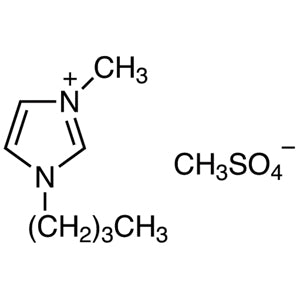
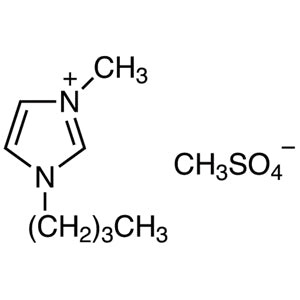
1-Butyl-3-methylimidazoliumMethylSulfate TCI B5527
Regular price From Rp 1.485.750,00Regular price -
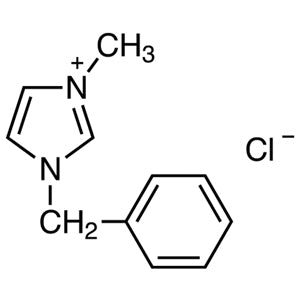
1-Benzyl-3-methylimidazoliumChloride TCI B5543
Regular price Rp 823.200,00Regular price -
1-Butyl-3-methylimidazoliumHydrogenSulfate TCI B5569
Regular price From Rp 823.200,00Regular price -
1-Butyl-3-methylimidazoliumAcetate TCI B5582
Regular price From Rp 875.700,00Regular price -
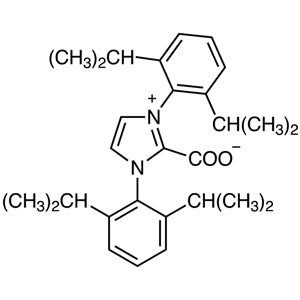
1,3-Bis(2,6-diisopropylphenyl)imidazolium-2-carboxylate TCI B5603
Regular price Rp 2.625.000,00Regular price -
1-Butyl-3-methylimidazoliumHexafluoroantimonate TCI B5724
Regular price From Rp 1.749.300,00Regular price -
1-Benzyl-3-methylimidazoliumTetrafluoroborate TCI B5725
Regular price Rp 717.150,00Regular price