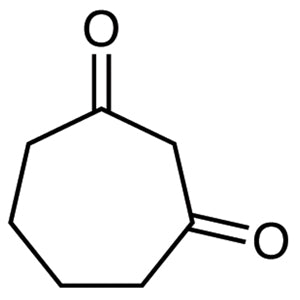
1,3-Cycloheptanedione is an organic compound widely used in chemical synthesis to produce a variety of complex compounds. This material serves as a fundamental building block in both heterocyclic and non-heterocyclic compound synthesis. Its cyclic structure with two symmetric carboxylic acid groups makes it a versatile reagent in laboratory settings. In research and educational environments, it plays a crucial role in enabling efficient and selective chemical reactions. Its stability and reactivity make it a valuable asset for chemists working on diverse synthetic pathways.
The compound's unique chemical properties, including its ability to participate in various substitution and oxidation reactions, make it a preferred choice among researchers. Its reactivity allows for the formation of a wide range of derivatives, which is essential in organic chemistry and pharmaceutical research. The compound's structural simplicity and functional versatility contribute to its widespread use in both academic and industrial laboratories. Its ability to undergo multiple reaction types enhances its applicability in complex synthetic strategies.
In Indonesian laboratories, 1,3-Cycloheptanedione is commonly used by researchers and students for both educational and research purposes. It is particularly relevant in studies involving the synthesis of complex compounds and the development of new chemical products. Its availability in the local market supports ongoing scientific investigations and educational programs, making it an essential component of many laboratory workflows.
- Organic synthesis applications benefit from 1,3-Cycloheptanedione due to its reactivity and ability to form diverse derivatives.
- It is ideal for Diels-Alder reactions because of its cyclic structure and functional groups that facilitate efficient reaction pathways.
- In pharmaceutical research, the compound is used to develop new drugs by serving as a building block for complex molecular structures.
- It supports condensation reactions by providing a stable and reactive starting material for the formation of new chemical bonds.
- Educational institutions use it to teach fundamental concepts in organic chemistry and synthetic methodology to students.
| Brand | TCI |
|---|---|
| CAS number | 1194-18-9 |
| Molecular formula | — |
| Purity | — |
| Category | Chemistry > Building Blocks > Non-Heterocyclic Building Blocks |
| Pack sizes | Available in various quantities as per supplier specifications |
| Physical form | Solid or liquid, depending on the specific product variant |
| Storage | Store in a cool, dry place away from direct sunlight |
1,3-Cycloheptanedione should be stored in a cool, dry environment to maintain its chemical stability. It is recommended to keep it in a tightly sealed container to prevent exposure to moisture and air. Due to its reactivity, it should be handled in a well-ventilated area to minimize potential hazards. Suitable containers for storage include glass or high-density polyethylene (HDPE) bottles that are resistant to chemical degradation. General laboratory precautions include wearing appropriate personal protective equipment, such as gloves and safety goggles, when handling the compound. It is important to avoid contact with skin and eyes and to ensure proper disposal according to local regulations.
—
Produk Terkait
-
6-Methyl-2,4-heptanedione TCI M0597
Regular price Rp 1.353.450,00Regular price -
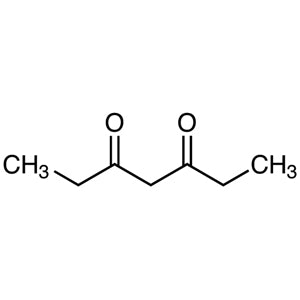
3,5-Heptanedione TCI H1395
Regular price From Rp 2.359.350,00Regular price -
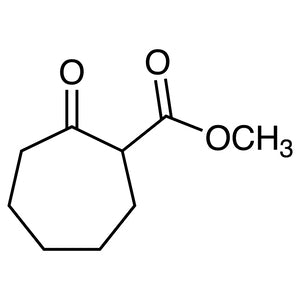
Methyl2-Oxocycloheptane-1-carboxylate TCI M3625
Regular price Rp 2.359.350,00Regular price -
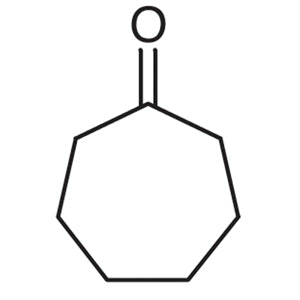
Cycloheptanone TCI C0466
Regular price From Rp 1.696.800,00Regular price -
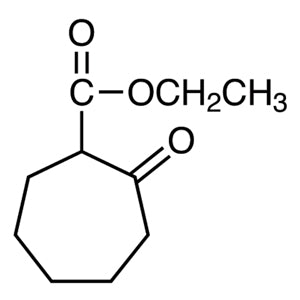
Ethyl2-Oxocycloheptanecarboxylate TCI E1056
Regular price From Rp 2.094.750,00Regular price -
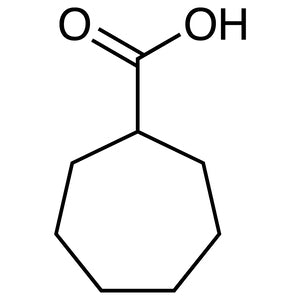
CycloheptanecarboxylicAcid TCI C3782
Regular price From Rp 1.829.100,00Regular price -
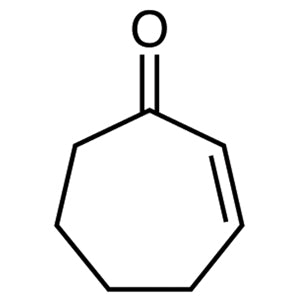
2-Cyclohepten-1-one TCI C3180
Regular price From Rp 1.803.900,00Regular price -
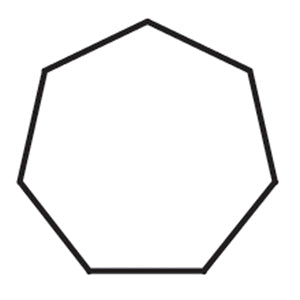
Cycloheptane TCI C0465
Regular price From Rp 1.115.100,00Regular price