8-Chloro-1-(3-chloropropyl)theobromine is a chemical compound widely used in organic synthesis reactions within laboratory settings. It serves as a building block for the creation of complex molecular structures, particularly in heterocyclic chemistry. This compound plays a crucial role in facilitating substitution and condensation reactions, making it an essential tool for researchers aiming to develop new chemical entities. Its unique molecular structure and reactivity make it a valuable asset in synthetic pathways that require precise functional group modifications.
The compound's molecular structure features chlorine atoms at specific positions, enhancing its chemical versatility and reactivity. These substituents contribute to its ability to participate in a wide range of chemical transformations, including electrophilic substitutions and nucleophilic attacks. The presence of both chloro groups and the theobromine core provides a platform for further functionalization, making it a preferred choice for synthetic chemists. Its high reactivity and structural complexity make it suitable for advanced research applications in both academic and industrial laboratories.
In Indonesian laboratories, 8-Chloro-1-(3-chloropropyl)theobromine is commonly used by chemists and researchers in the development of pharmaceuticals, industrial chemicals, and new materials. Its role in the synthesis of heterocyclic compounds aligns with the growing demand for complex molecular structures in drug discovery and material science. The compound's availability and chemical properties make it a reliable component in various laboratory workflows, supporting innovation and research in the chemical sciences.
Related TCI products
- TCI C3394 2765-59-5 2-Chloro-10-(3-chloropropyl)-10H-phenothiazine
- TCI C2602 7357-67-7 4-(3-Chloropropyl)morpholine
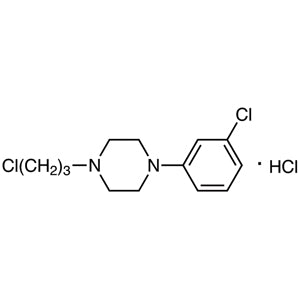
- TCI C1608 52605-52-4 1-(3-Chlorophenyl)-4-(3-chloropropyl)piperazine Hydrochloride
- TCI C1103 74409-52-2 1-(3-Chloropropyl)theobromine
- TCI T0178 83-67-0 Theobromine
- TCI C2072 42330-88-1 2-(3-Chloropropoxy)tetrahydro-2H-pyran
- Organic synthesis of heterocyclic compounds due to its reactive functional groups and structural versatility.
- Development of pharmaceuticals through modification of core structures for enhanced biological activity.
- Industrial chemical production where complex molecular frameworks are required for specialized applications.
- Research in material science for the creation of advanced polymers and functional materials.
- Academic studies in chemical reactivity and synthetic pathway optimization for educational and research purposes.
| Brand | TCI |
|---|---|
| CAS number | — |
| Molecular formula | — |
| Purity | — |
| Category | Chemistry > Building Blocks > Heterocyclic Building Blocks |
| Pack sizes | As listed on product page |
| Physical form | Solid (as per standard chemical form) |
| Storage | Store in a cool, dry place away from light and moisture |
This compound should be stored in a cool, dry environment, away from direct sunlight and moisture to maintain its chemical integrity. It is recommended to use airtight containers made of glass or high-density polyethylene to prevent contamination and degradation. Due to its reactivity, it should be handled with care using appropriate personal protective equipment such as gloves and safety goggles. In laboratory settings, it should be stored separately from incompatible materials to avoid any potential chemical interactions. Regular monitoring of storage conditions is essential to ensure the compound remains stable and suitable for use in synthetic reactions.
—
Produk Terkait
-
2-Chloro-10-(3-chloropropyl)-10H-phenothiazine TCI C3394
Regular price From Rp 3.551.100,00Regular price -
4-(3-Chloropropyl)morpholine TCI C2602
Regular price From Rp 452.550,00Regular price -
1-(3-Chlorophenyl)-4-(3-chloropropyl)piperazineHydrochloride TCI C1608
Regular price Rp 1.431.150,00Regular price -
1-(3-Chloropropyl)theobromine TCI C1103
Regular price Rp 6.095.250,00Regular price -
Theobromine TCI T0178
Regular price From Rp 1.220.100,00Regular price -
2-(3-Chloropropoxy)tetrahydro-2H-pyran TCI C2072
Regular price Rp 4.001.550,00Regular price -
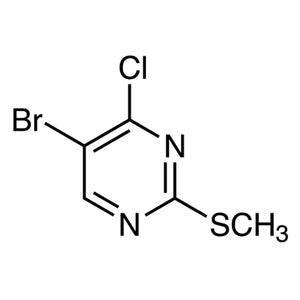
5-Bromo-4-chloro-2-(methylthio)pyrimidine TCI B4406
Regular price From Rp 955.500,00Regular price -
2-Butyl-5-chloro-1H-imidazole-4-carboxaldehyde TCI B2914
Regular price Rp 1.115.100,00Regular price