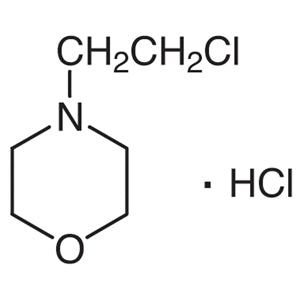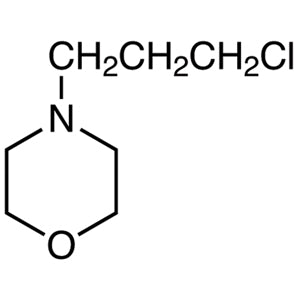
4-(3-Chloropropyl)morpholine is a versatile chemical compound widely used in laboratory settings for the synthesis of complex organic molecules. As a heterocyclic building block, it plays a crucial role in organic chemistry by enabling a range of substitution and functionalization reactions. Its unique molecular structure allows it to participate in various chemical transformations, making it an essential tool for researchers in both academic and industrial environments. This compound is particularly valuable in the development of pharmaceuticals and advanced materials due to its reactivity and stability under different reaction conditions.
The compound’s chemical properties, including its ability to undergo substitution and sililation reactions, make it a preferred choice for synthetic chemists. Its stability and reactivity allow it to be used in a variety of reaction conditions, enhancing its applicability in different synthetic pathways. The compound’s molecular complexity ensures that it can be tailored for specific chemical transformations, offering flexibility in experimental design. Additionally, its availability in solid form facilitates easy handling and storage, making it a practical option for laboratory use.
In Indonesian laboratories, 4-(3-Chloropropyl)morpholine is commonly used in organic chemistry research and the synthesis of complex compounds. It is a key reagent in academic and research institutions, supporting experiments related to molecular synthesis and chemical innovation. Its reliability and effectiveness have made it a popular choice among scientists and researchers working in the field of chemistry and related disciplines.
Related TCI products
- TCI C3618 8-Chloro-1-(3-chloropropyl)theobromine
- TCI C3394 2765-59-5 2-Chloro-10-(3-chloropropyl)-10H-phenothiazine
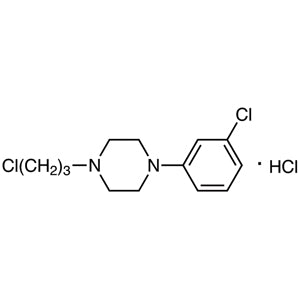
- TCI C1608 52605-52-4 1-(3-Chlorophenyl)-4-(3-chloropropyl)piperazine Hydrochloride
- TCI B4890 30483-75-1 4-(4-Bromophenyl)morpholine
- TCI D4571 52127-83-0 4-(2,6-Dichloro-4-pyrimidyl)morpholine
- TCI D4069 10397-13-4 4-(4,6-Dichloro-2-pyrimidyl)morpholine
- Organic synthesis: This compound is ideal for organic synthesis due to its ability to undergo substitution and functionalization reactions, enabling the creation of complex molecular structures.
- Pharmaceutical research: Its reactivity and structural versatility make it suitable for the development of new pharmaceutical compounds and drug molecules.
- Material science: The compound's unique properties are useful in the synthesis of advanced materials, including polymers and functional coatings.
- Chemical education: It is widely used in educational settings to demonstrate complex chemical reactions and synthetic methodologies.
- Industrial chemistry: Its stability and reactivity make it a valuable component in industrial chemical processes for producing specialized compounds.
| Brand | TCI |
|---|---|
| CAS number | 7357-67-7 |
| Molecular formula | — |
| Purity | — |
| Category | Chemistry > Building Blocks > Heterocyclic Building Blocks |
| Pack sizes | Available in various quantities as per standard laboratory supply |
| Physical form | Solid |
| Storage | Store in a cool, dry place away from direct sunlight and moisture |
This compound should be stored in a cool, dry environment to maintain its chemical integrity and prevent degradation. It is recommended to use airtight containers to minimize exposure to moisture and air, which can affect its reactivity. Due to its chemical nature, it should be handled in a well-ventilated area, and appropriate personal protective equipment should be worn when working with it. Avoid contact with skin and eyes, and ensure proper disposal methods are followed to comply with safety regulations. Regular monitoring of storage conditions is advised to ensure the compound remains in optimal condition for laboratory use.
—
Produk Terkait
-
TCI C3618 8-Chloro-1-(3-chloropropyl)theobromine
Regular price From Rp 2.571.450,00Regular price -
2-Chloro-10-(3-chloropropyl)-10H-phenothiazine TCI C3394
Regular price From Rp 3.551.100,00Regular price -
1-(3-Chlorophenyl)-4-(3-chloropropyl)piperazineHydrochloride TCI C1608
Regular price Rp 1.431.150,00Regular price -
4-(4-Bromophenyl)morpholine TCI B4890
Regular price Rp 2.041.200,00Regular price -
4-(2,6-Dichloro-4-pyrimidyl)morpholine TCI D4571
Regular price From Rp 1.829.100,00Regular price -
4-(4,6-Dichloro-2-pyrimidyl)morpholine TCI D4069
Regular price Rp 1.353.450,00Regular price -
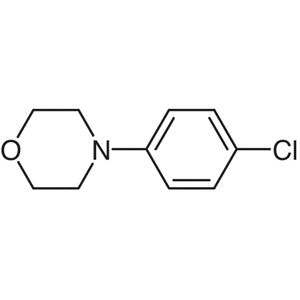
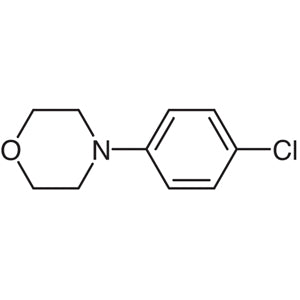
4-(4-Chlorophenyl)morpholine TCI C2082
Regular price Rp 1.749.300,00Regular price -
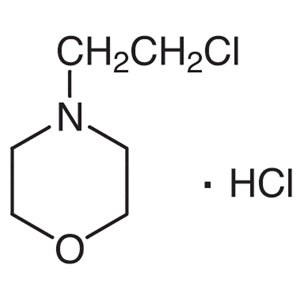
4-(2-Chloroethyl)morpholineHydrochloride TCI C1106
Regular price Rp 1.060.500,00Regular price