4-(4-Bromophenyl)morpholine is a chemical compound widely utilized in organic reactions, particularly in the synthesis of heterocyclic compounds. This compound is derived from the morpholine ring, which is further extended with a bromophenyl group, enhancing its reactivity. Its unique structure makes it a versatile building block in chemical research, especially in the development of complex molecules. In laboratory settings, it serves as a key reagent for various synthetic pathways, enabling the creation of compounds with diverse applications.
The compound's high reactivity and structural complexity make it a preferred choice for researchers. Its ability to participate in substitution reactions, aromatic reactions, and heterocyclic synthesis positions it as an essential tool in synthetic chemistry. The stability of 4-(4-Bromophenyl)morpholine under certain conditions ensures ease of handling and storage, which is crucial for maintaining the integrity of experimental results. This stability also supports its use in multiple synthetic protocols without compromising the desired chemical outcomes.
In Indonesian laboratories, 4-(4-Bromophenyl)morpholine is extensively used in organic chemistry research, particularly in drug development and functional compound synthesis. Its availability in the local market makes it a practical choice for researchers and educational institutions. The compound is frequently employed in projects related to pharmaceuticals, materials science, and industrial chemistry, contributing to the advancement of scientific knowledge in these fields.
Related TCI products
- TCI D4571 52127-83-0 4-(2,6-Dichloro-4-pyrimidyl)morpholine
- TCI D4069 10397-13-4 4-(4,6-Dichloro-2-pyrimidyl)morpholine
- TCI C2602 7357-67-7 4-(3-Chloropropyl)morpholine
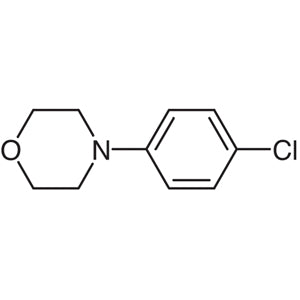
- TCI C2082 70291-67-7 4-(4-Chlorophenyl)morpholine
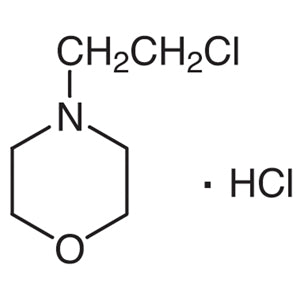
- TCI C1106 3647-69-6 4-(2-Chloroethyl)morpholine Hydrochloride
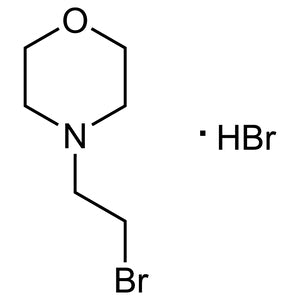
- TCI B6869 42802-94-8 4-(2-Bromoethyl)morpholine Hydrobromide
- Heterocyclic Compound Synthesis: This compound is ideal for creating complex ring structures due to its morpholine core and bromophenyl substituent, enabling diverse synthetic pathways.
- Pharmaceutical Research: Its reactivity and structural versatility make it valuable in the development of new drug molecules, especially in medicinal chemistry applications.
- Organic Reaction Studies: The compound's ability to participate in substitution and aromatic reactions makes it suitable for investigating reaction mechanisms and catalytic processes.
- Functional Material Development: Its chemical properties are useful in synthesizing materials with specific functional characteristics, such as polymers or coatings.
- Industrial Chemistry Applications: The compound's stability and reactivity support its use in the production of specialty chemicals and intermediate compounds.
| Brand | TCI |
|---|---|
| CAS number | 30483-75-1 |
| Molecular formula | — |
| Purity | — |
| Category | Chemistry > Building Blocks > Heterocyclic Building Blocks |
| Pack sizes | Available in various quantities as per standard laboratory supply |
| Physical form | Liquid or solid, depending on the specific product variant |
| Storage | Store in a cool, dry place away from light and incompatible substances |
4-(4-Bromophenyl)morpholine should be stored in a cool, dry environment, away from direct sunlight and sources of heat. It is recommended to use sealed containers to prevent exposure to air and moisture, which could affect its stability. The compound should be kept away from incompatible materials such as strong oxidizers or acids to avoid potential chemical reactions. In laboratory settings, it is important to handle the compound with appropriate personal protective equipment, including gloves and safety goggles, to ensure safe handling. Proper ventilation should be maintained when working with this compound to minimize inhalation risks. Regular inspection of storage conditions is advised to maintain the compound's integrity and ensure safe usage in research applications.
—
Produk Terkait
-
4-(2,6-Dichloro-4-pyrimidyl)morpholine TCI D4571
Regular price From Rp 1.881.600,00Regular priceRp 1.331.400,00Sale price From Rp 1.881.600,00 -
4-(4,6-Dichloro-2-pyrimidyl)morpholine TCI D4069
Regular price Rp 1.405.950,00Regular priceRp 998.550,00Sale price Rp 1.405.950,00 -
4-(3-Chloropropyl)morpholine TCI C2602
Regular price From Rp 505.050,00Regular priceRp 368.550,00Sale price From Rp 505.050,00 -
4-(4-Chlorophenyl)morpholine TCI C2082
Regular price Rp 1.801.800,00Regular priceRp 1.275.750,00Sale price Rp 1.801.800,00 -
4-(2-Chloroethyl)morpholineHydrochloride TCI C1106
Regular price Rp 1.113.000,00Regular priceRp 793.800,00Sale price Rp 1.113.000,00 -
4-(2-Bromoethyl)morpholineHydrobromide TCI B6869
Regular price Rp 1.988.700,00Regular priceRp 1.405.950,00Sale price Rp 1.988.700,00 -
2-(2-Bromophenyl)-9-phenyl-9H-carbazole TCI B5437
Regular price From Rp 1.246.350,00Regular priceRp 887.250,00Sale price From Rp 1.246.350,00 -
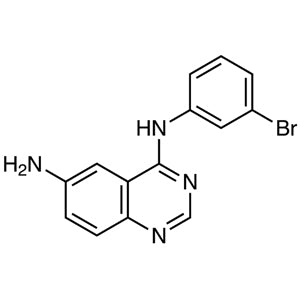
N4-(3-Bromophenyl)quinazoline-4,6-diamine TCI B5416
Regular price From Rp 875.700,00Regular priceRp 627.900,00Sale price From Rp 875.700,00