![2-(4-Chlorophenyl)imidazo[1,2-a]pyridine (CAS 38922-74-6) - TCI C3913 - AMI Scientific](http://amiscientific.com/cdn/shop/files/TCI2510C3913.jpg?v=1767100294&width=1946)
![2-(4-Chlorophenyl)imidazo[1,2-a]pyridine (CAS 38922-74-6) - TCI C3913 - AMI Scientific](http://amiscientific.com/cdn/shop/files/TCI2510C3913.jpg?v=1767100294&width=1445)
2-(4-Chlorophenyl)imidazo[1,2-a]pyridine is a chemical compound that plays a crucial role in laboratory settings, particularly in the field of organic chemistry. As a heterocyclic building block, it serves as a foundational component in the synthesis of complex molecules with diverse applications. Its unique structure allows it to participate in various chemical reactions, making it a versatile tool for researchers aiming to develop new compounds. This compound is widely used in both academic and industrial laboratories for its ability to contribute to the creation of pharmaceuticals, agrochemicals, and other specialized chemical products.
The compound's chemical structure features a chlorinated phenyl group attached to an imidazo[1,2-a]pyridine ring, which imparts high reactivity. This reactivity enables it to engage in substitution, condensation, and electrophilic reactions, making it a preferred choice for molecular modification and structural diversification. Its ability to undergo multiple chemical transformations makes it an essential reagent in synthetic chemistry. The presence of the chlorine atom enhances its functional versatility, allowing it to be tailored for specific applications in drug discovery and material science.
In Indonesian laboratories, 2-(4-Chlorophenyl)imidazo[1,2-a]pyridine is commonly used in organic chemistry research, especially in pharmacology and the synthesis of bioactive compounds. It is a key component in the development of new drugs and chemical materials, supporting scientific innovation across various research institutions and universities. Its widespread use highlights its importance in advancing chemical research and development in the region.
Related TCI products
- TCI I0922 274-76-0 Imidazo[1,2-a]pyridine
- TCI I0754 56671-66-0 Imidazo[1,5-a]pyridine-3-carboxaldehyde
- TCI I0753 274-47-5 Imidazo[1,5-a]pyridine
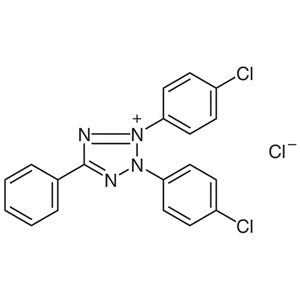
- TCI B1052 135788-08-8 2,3-Bis(4-chlorophenyl)-5-phenyltetrazolium Chloride
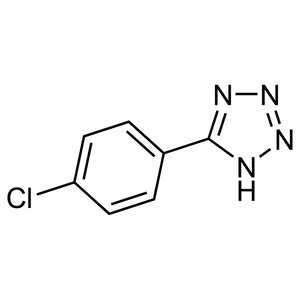
- TCI C4066 16687-61-9 5-(4-Chlorophenyl)-1H-tetrazole
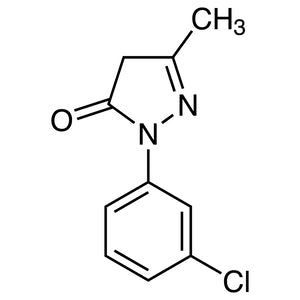
- TCI C3919 90-31-3 2-(3-Chlorophenyl)-5-methyl-2,4-dihydro-3H-pyrazol-3-one
- Organic synthesis is a primary application where this compound is used to construct complex molecular structures, enabling the development of new pharmaceuticals and bioactive agents.
- Pharmaceutical research benefits from its reactivity and structural versatility, allowing for the synthesis of compounds with potential therapeutic applications.
- Agrochemical development utilizes its chemical properties to create compounds with pesticidal or herbicidal activity, supporting agricultural innovation.
- Material science applications leverage its ability to participate in chemical reactions, aiding in the creation of novel functional materials.
- Academic research in Indonesian universities and research institutes frequently employs this compound to explore new synthetic pathways and molecular designs.
| Brand | TCI |
|---|---|
| CAS number | 38922-74-6 |
| Molecular formula | — |
| Purity | — |
| Category | Chemistry > Building Blocks > Heterocyclic Building Blocks |
| Pack sizes | Available in various quantities as per standard laboratory supply |
| Physical form | Solid (as per standard chemical specifications) |
| Storage | Store in a cool, dry place away from direct sunlight and moisture |
This compound should be stored in a cool, dry environment to maintain its chemical integrity. It is recommended to use airtight containers to prevent exposure to moisture and air, which can affect its stability. Since it is a reactive chemical, it should be handled in a well-ventilated area, ideally under a fume hood, to minimize inhalation risks. Proper personal protective equipment, such as gloves and safety goggles, should be worn when handling it. Avoid contact with skin and eyes, and ensure that spill containment measures are in place to prevent accidental exposure. Regular monitoring of storage conditions ensures the compound remains suitable for use in laboratory applications.
—
Produk Terkait
-
Imidazo[1,2-a]pyridine TCI I0922
Regular price Rp 4.213.650,00Regular price -
Imidazo[1,5-a]pyridine-3-carboxaldehyde TCI I0754
Regular price Rp 5.009.550,00Regular price -
Imidazo[1,5-a]pyridine TCI I0753
Regular price Rp 5.169.150,00Regular price -
2,3-Bis(4-chlorophenyl)-5-phenyltetrazoliumChloride TCI B1052
Regular price Rp 1.829.100,00Regular price -
5-(4-Chlorophenyl)-1H-tetrazole TCI C4066
Regular price From Rp 848.400,00Regular price -
2-(3-Chlorophenyl)-5-methyl-2,4-dihydro-3H-pyrazol-3-one TCI C3919
Regular price From Rp 1.167.600,00Regular price -
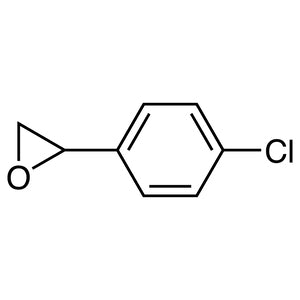
2-(4-Chlorophenyl)oxirane TCI C3907
Regular price From Rp 2.147.250,00Regular price
![274-76-0 Imidazo[1,2-a]pyridine - AMI Scientific](http://amiscientific.com/cdn/shop/files/TCI2510I0922.jpg?v=1767120534&width=533)
![56671-66-0 Imidazo[1,5-a]pyridine-3-carboxaldehyde - AMI Scientific](http://amiscientific.com/cdn/shop/files/TCI2510I0754.jpg?v=1767120255&width=533)
![274-47-5 Imidazo[1,5-a]pyridine - AMI Scientific](http://amiscientific.com/cdn/shop/files/TCI2510I0753.jpg?v=1767120251&width=533)